By Jennifer Stuckey
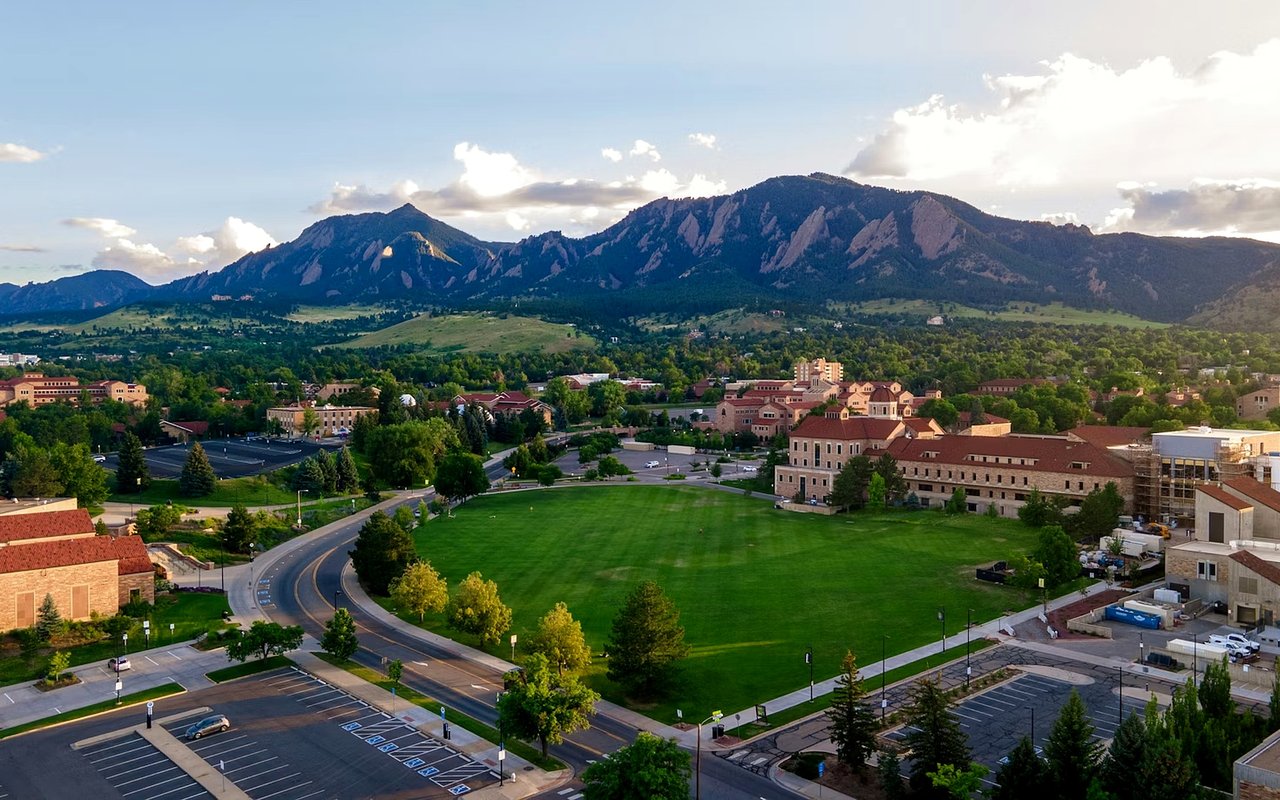
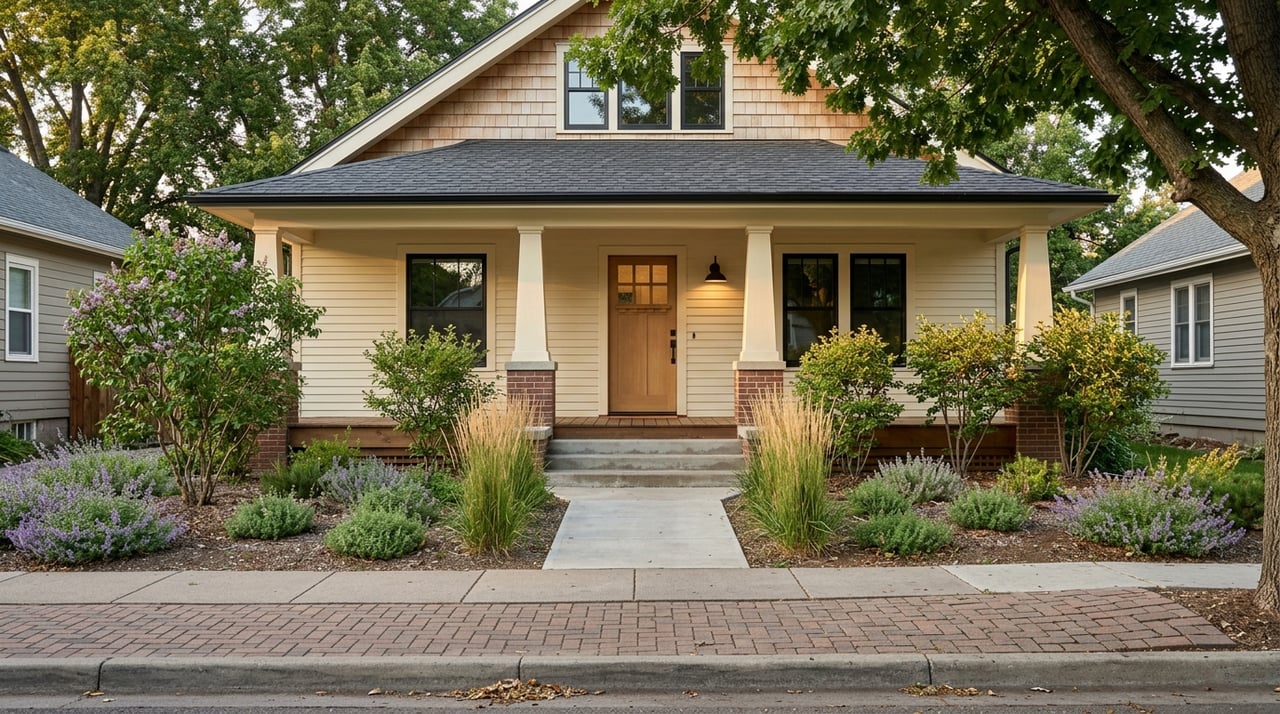
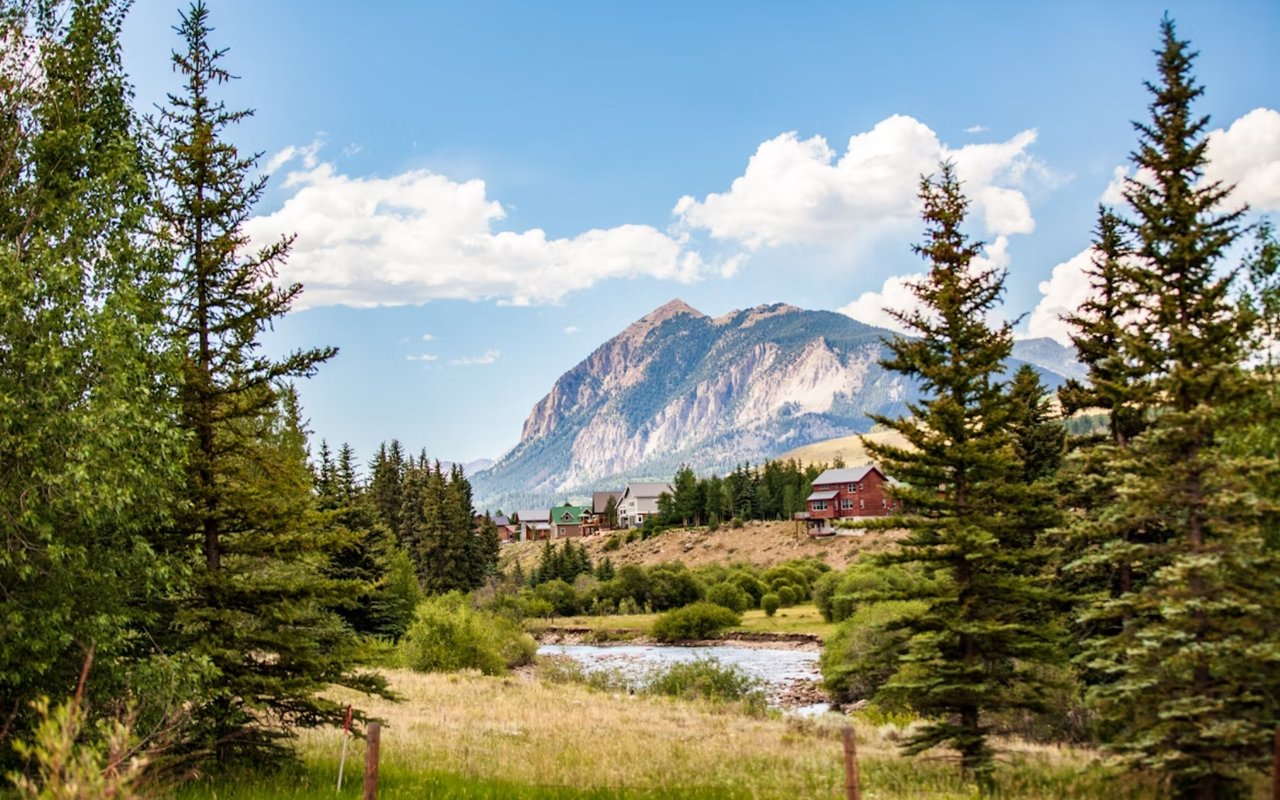
If you have been thinking about starting a home garden in Boulder, this city has a way of making that idea feel less like a project and more like a natural next step in enjoying the landscape. The city sits at the base of the Rockies at roughly 5,400 feet above sea level, which means you are working with intense sun, low humidity, alkaline soil, and a shorter growing season than most of the country. Those conditions sound like obstacles, but experienced Boulder gardeners know how to use them as advantages. The key is learning what works here before you dig your first hole.
Starting a home garden in Boulder is one of the most rewarding ways to connect with the place you live. Whether you have a sprawling backyard, a small patio, or a sunny balcony, there is a gardening approach that fits your space and schedule.
This guide will cover everything you need to know to plant a thriving home garden in Boulder, from understanding your soil and climate to choosing what to grow and when.
Key Takeaways
-
Boulder's high elevation and intense UV exposure mean plants grow fast but dry out quickly, so consistent watering and mulching are essential.
-
The Front Range growing season typically runs from mid-May through early October, with late frosts possible through Mother's Day.
-
Boulder's naturally alkaline, clay-heavy soil usually needs amendment before it will support a productive vegetable or flower garden.
-
Raised beds and container gardens give you the most control over soil quality and drainage, which are the two biggest variables in gardening success.
-
Native and drought-tolerant plants thrive here with minimal maintenance, making them excellent choices for low-water areas of the yard.
Understanding Boulder's Climate and Growing Season
Gardening in Boulder means working with a semi-arid, high-altitude climate. Summers are sunny and warm but short. Afternoon thunderstorms roll in frequently from June through August, which can deliver intense rainfall followed by dry stretches that stress plants if you are not watching carefully. Winters are cold but often interrupted by winds that temporarily warm things up, which can confuse spring-flowering bulbs into emerging too early.
The last frost date in Boulder typically falls around mid- May, and the first fall frost usually arrives in late September to mid-October. This timeline is enough for most vegetables and annuals as long as you plant on schedule. Starting seeds indoors in late February or March is a common practice here, giving transplants a head start before outdoor conditions are ready.
Elevation also amplifies UV radiation, which means that plants receive more intense light than they would at sea level. This accelerates growth and can cause sunscald on tender seedlings or fruit if they are exposed too quickly. Hardening off your transplants gradually over 7 to 10 days before moving them permanently outside makes a significant difference in how well they adapt.
The last frost date in Boulder typically falls around mid- May, and the first fall frost usually arrives in late September to mid-October. This timeline is enough for most vegetables and annuals as long as you plant on schedule. Starting seeds indoors in late February or March is a common practice here, giving transplants a head start before outdoor conditions are ready.
Elevation also amplifies UV radiation, which means that plants receive more intense light than they would at sea level. This accelerates growth and can cause sunscald on tender seedlings or fruit if they are exposed too quickly. Hardening off your transplants gradually over 7 to 10 days before moving them permanently outside makes a significant difference in how well they adapt.
Key Dates and Conditions to Know
-
Last frost date: approximately May 7–15.
-
First fall frost: typically late September to mid-October.
-
Average annual precipitation: about 20 inches, much of it from summer thunderstorms.
-
Growing season length: approximately 155 days, which supports most warm-season vegetables and perennials.
Amending Your Boulder Soil
One of the most common missteps new gardeners in Boulder make is planting directly into the native soil without testing or amending it first. Boulder's soil tends to be alkaline, often registering a pH between 7.5 and 8.5, and it is frequently clay-heavy, which means that it drains poorly and compacts easily. Neither of these conditions is ideal for most vegetables, herbs, or flowering annuals, but both are fixable with a little preparation.
Start by getting a soil test. The Colorado State University Extension office offers low-cost testing, and the results will tell you exactly which amendments your soil needs. Most Boulder gardens benefit from the addition of compost to improve drainage and introduce organic matter, along with sulfur to lower pH over time. Peat moss can also help with pH, though compost is a more sustainable long-term option.
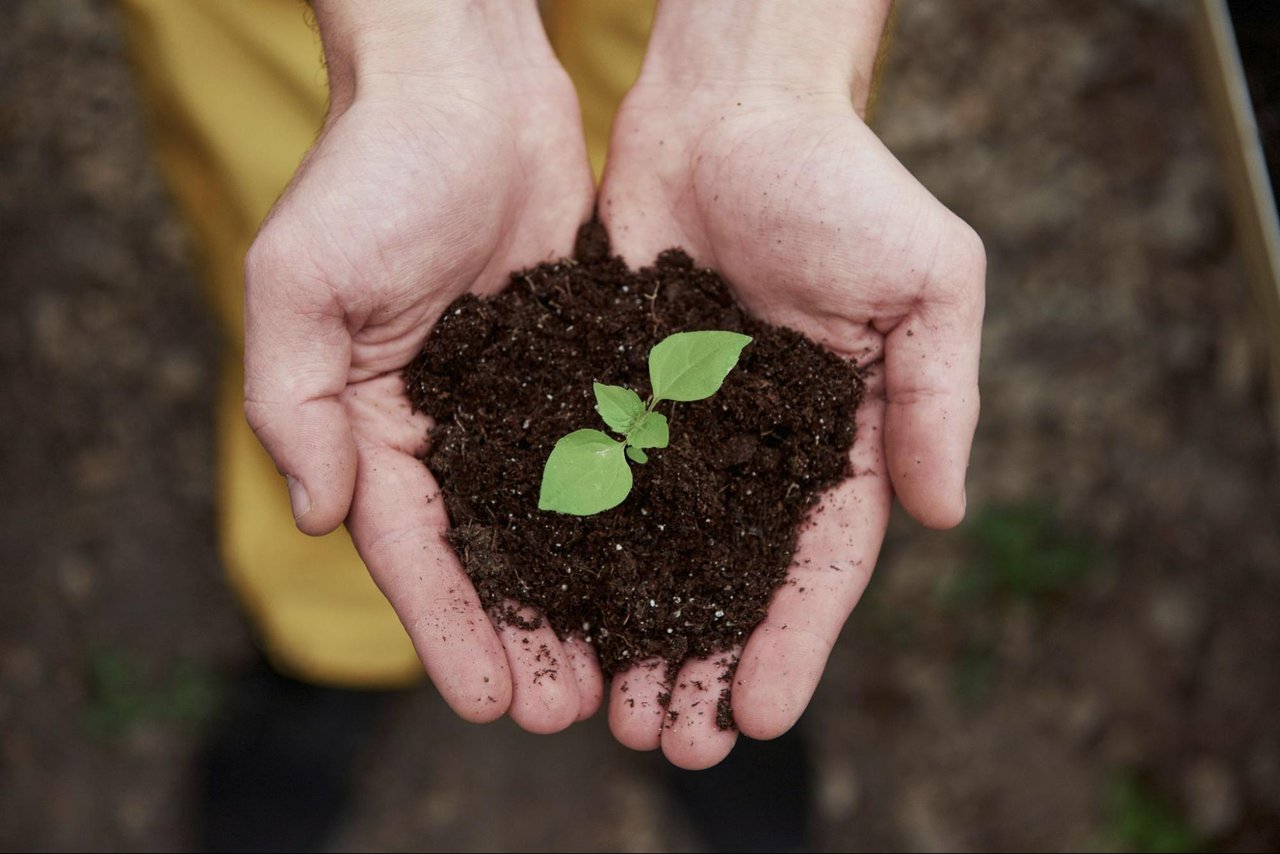
If you are starting a vegetable garden, raised beds are widely considered the best approach in Boulder. Filling a raised bed with a custom mix of topsoil, compost, and perlite or coarse sand gives you complete control over the growing medium and sidesteps the native soil challenges entirely. Beds that are 12 to 18 inches deep are ideal for root vegetables; 8 to 10 inches works well for lettuce, herbs, and most flowering annuals.
Start by getting a soil test. The Colorado State University Extension office offers low-cost testing, and the results will tell you exactly which amendments your soil needs. Most Boulder gardens benefit from the addition of compost to improve drainage and introduce organic matter, along with sulfur to lower pH over time. Peat moss can also help with pH, though compost is a more sustainable long-term option.
If you are starting a vegetable garden, raised beds are widely considered the best approach in Boulder. Filling a raised bed with a custom mix of topsoil, compost, and perlite or coarse sand gives you complete control over the growing medium and sidesteps the native soil challenges entirely. Beds that are 12 to 18 inches deep are ideal for root vegetables; 8 to 10 inches works well for lettuce, herbs, and most flowering annuals.
Soil Amendment Options That Work in Boulder
-
Compost: the single most effective amendment for improving both clay soil drainage and sandy soil water retention.
-
Elemental sulfur: lowers soil pH gradually over one to two seasons, making nutrients more available to plants.
-
Perlite or coarse sand: improves drainage in clay-heavy beds, especially useful in raised containers and herb gardens.
-
Aged manure: adds organic matter and nutrients without the risk of burning plants that fresh manure carries.
-
Biochar: increasingly popular in Front Range gardens for its ability to retain moisture and support beneficial soil microbes.
What to Grow in a Boulder Home Garden
The good news is that a wide variety of vegetables, herbs, flowers, and perennials do extremely well in Boulder's conditions. The key is matching your plant choices to the season and understanding which crops are cool-season and which are warm-season.
Cool-season crops like lettuce, spinach, kale, arugula, peas, and radishes can go into the ground in early to mid-April, even with the frost risk, because they tolerate cold well. These same crops can be replanted in late July or early August for a productive fall harvest before the first freeze. Warm-season crops like tomatoes, squash, beans, cucumbers, and corn need full sun and consistent moisture to produce well.
Herbs are among the easiest plants to grow in Boulder. Rosemary, thyme, oregano, sage, and lavender are drought-tolerant, love the alkaline conditions, and thrive in containers or directly in the ground. Basil is the exception; it wants heat, humidity, and protection from afternoon wind, so a sheltered south-facing spot is ideal.
Cool-season crops like lettuce, spinach, kale, arugula, peas, and radishes can go into the ground in early to mid-April, even with the frost risk, because they tolerate cold well. These same crops can be replanted in late July or early August for a productive fall harvest before the first freeze. Warm-season crops like tomatoes, squash, beans, cucumbers, and corn need full sun and consistent moisture to produce well.
Herbs are among the easiest plants to grow in Boulder. Rosemary, thyme, oregano, sage, and lavender are drought-tolerant, love the alkaline conditions, and thrive in containers or directly in the ground. Basil is the exception; it wants heat, humidity, and protection from afternoon wind, so a sheltered south-facing spot is ideal.
Best Vegetables and Herbs
-
Tomatoes: choose short-season varieties like Early Girl, Glacier, or Stupice, which ripen before the first frost.
-
Kale and chard: nearly indestructible and productive from spring through hard frost.
-
Zucchini and summer squash: prolific producers that handle Boulder's sun and heat once established.
-
Peas: a spring staple that does best when planted early in April and given something to climb.
-
Herbs like thyme, oregano, and chives: low maintenance, drought-tolerant, and perfect for container gardens on sunny patios.
Water Management and Mulching in a High Desert Climate
Watering is where many Boulder gardens succeed or fail. The combination of intense sun, low humidity, and frequent wind means soil dries out faster here than it would at lower elevations in more humid climates. At the same time, Boulder's summer afternoon thunderstorms can deliver rain quickly, which can waterlog plants or wash away soil if your beds are not properly mulched and drained.
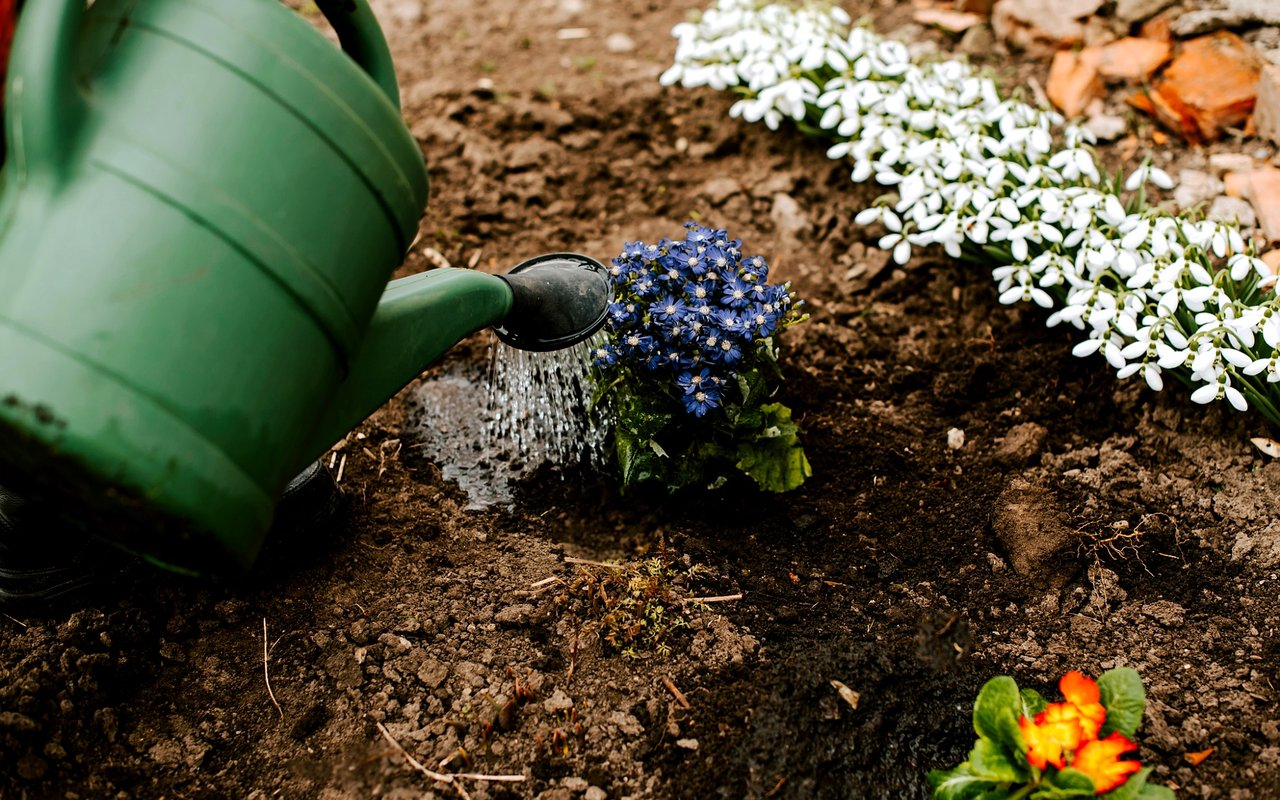
Drip irrigation is one of the most effective tools you can use for a Boulder vegetable or flower garden. It delivers water directly to the root zone, reduces evaporation, and keeps foliage dry, which helps prevent the fungal diseases that can develop when plants are frequently wet. Soaker hoses are a more affordable alternative that accomplish similar results in raised beds or traditional in-ground gardens.
Mulch is equally important. A 2- to 3-inch layer of shredded wood mulch, straw, or compost on the surface of your beds does several things at once: it slows evaporation, moderates soil temperature, suppresses weeds, and breaks down slowly to improve soil quality over time.
Drip irrigation is one of the most effective tools you can use for a Boulder vegetable or flower garden. It delivers water directly to the root zone, reduces evaporation, and keeps foliage dry, which helps prevent the fungal diseases that can develop when plants are frequently wet. Soaker hoses are a more affordable alternative that accomplish similar results in raised beds or traditional in-ground gardens.
Mulch is equally important. A 2- to 3-inch layer of shredded wood mulch, straw, or compost on the surface of your beds does several things at once: it slows evaporation, moderates soil temperature, suppresses weeds, and breaks down slowly to improve soil quality over time.
Watering Tips for Boulder's Climate
-
Water deeply but infrequently; shallow, frequent watering encourages shallow root systems that are less drought-resilient.
-
Morning watering is ideal because it gives foliage time to dry before evening, reducing mildew and fungal risk.
-
Adjust your watering schedule after summer storms rather than sticking rigidly to a timer-based system.
-
Container gardens in Boulder dry out especially fast and may need watering daily during peak summer heat.
FAQs
When Should I Start Seeds Indoors in Boulder?
Most warm-season vegetables like tomatoes, peppers, and eggplant should be started indoors 6 to 8 weeks before your planned outdoor transplant date. Cool-season crops like lettuce, kale, and spinach can go directly into the ground in early to mid-April.
What Are the Best Raised Bed Dimensions for a Boulder Garden?
A 4-by-8-foot raised bed is the most practical size for most home gardeners because it allows you to reach the center of the bed from either side without stepping on the soil. Depth matters as well; 10 to 12 inches is sufficient for most herbs and greens, while root vegetables and tomatoes benefit from a minimum of 18 inches.
Can I Grow Fruit Trees in a Boulder Home Garden?
Yes, several fruit trees perform well in Boulder's climate. Apple varieties like Honeycrisp, Haralson, and Liberty are well-suited to the Front Range. Plums and tart cherries also do well here. The main challenges are late spring frosts that can damage blossoms and the alkaline soil, which may need amendment around the root zone at planting time.
Your Garden Starts Here
Boulder's climate demands a little more planning than gardening at sea level, but the payoff is worth it. The intense sun accelerates growth, the dry air means fewer fungal problems than humid climates, and the long summer days give your plants exceptional energy. Once you understand how to work with Boulder's conditions rather than against them, the growing season becomes something you look forward to every year.
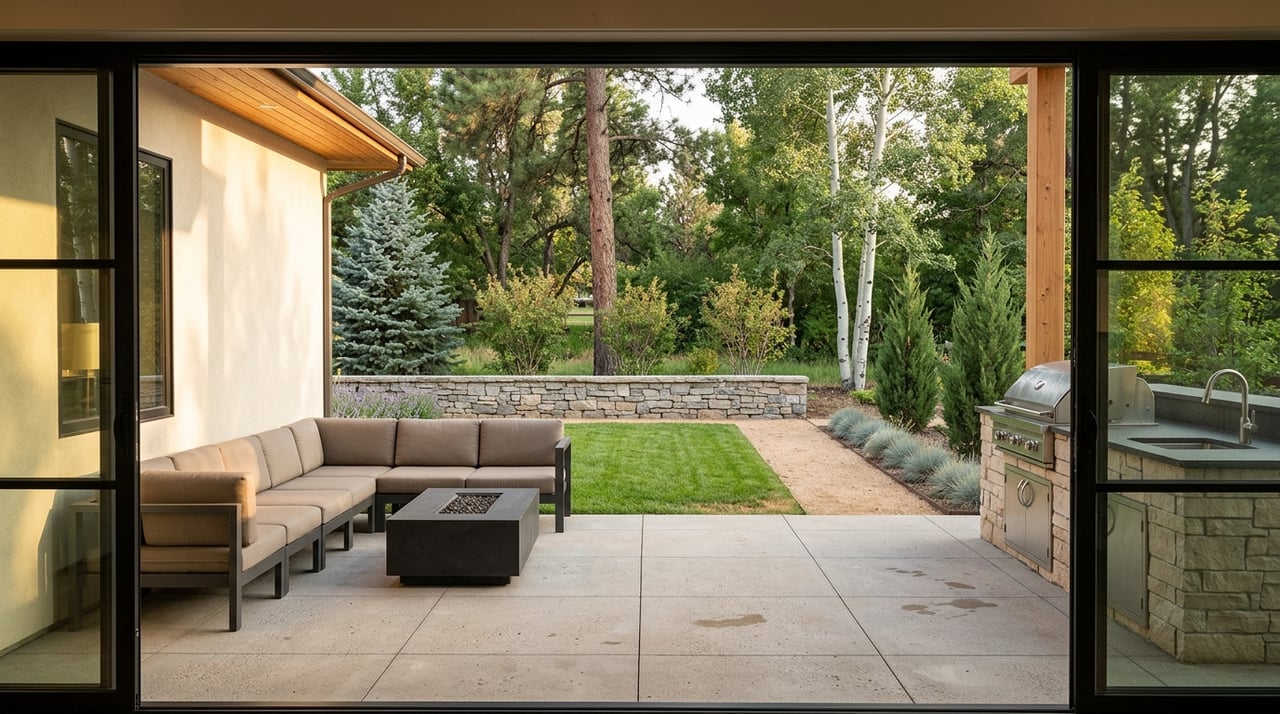
If you are looking for a home in Boulder with the outdoor space to make a serious garden possible, reach out to me, Jennifer Stuckey. I can help you find properties with the south-facing exposure, yard size, and irrigation infrastructure that will set your garden up for success from day one.
If you are looking for a home in Boulder with the outdoor space to make a serious garden possible, reach out to me, Jennifer Stuckey. I can help you find properties with the south-facing exposure, yard size, and irrigation infrastructure that will set your garden up for success from day one.