By Jennifer Stuckey
Opening the doors to a new home is a journey filled with excitement, anticipation, and, at times, uncertainty. Whether you’re a first-time homebuyer or a seasoned seller, there’s one powerful tool that can shape your entire real estate experience: contingencies.
If you’ve ever wondered what really protects your interests during negotiations or how you can approach your next real estate move with confidence, it all starts with understanding how contingencies work. These vital contract clauses are more than just fine print; they are your roadmap to a smoother, more secure transaction. In this in-depth guide, we’ll cover why contingencies are essential, how to use them strategically, and how they can give you the advantage you need in today’s market.
Key Takeaways
-
Real estate contingencies can shield you from unexpected pitfalls during a transaction.
-
Both buyers and sellers can harness contingencies for more control and outcomes that align with their goals.
-
The right contingency strategy can help you secure your dream home or close a profitable sale.
What Are Real Estate Contingencies?
Imagine you’ve found a home you love or have an eager buyer lined up—yet you still need to make sure all the details fall into place. This is where real estate contingencies step in. These are conditions written into your purchase agreement that must be met before the sale can be finalized. They’re not just legal jargon; they are active tools designed to give both parties peace of mind.
For buyers, contingencies serve as a built-in safety net. They ensure you aren’t locked into buying a home that turns out to have costly repairs or one that can’t be financed as expected. For sellers, they can provide breathing room if you need extra time or want reassurance that your buyer is truly ready to commit. When included thoughtfully, contingencies keep the process transparent and reduce the risk of surprises.
For buyers, contingencies serve as a built-in safety net. They ensure you aren’t locked into buying a home that turns out to have costly repairs or one that can’t be financed as expected. For sellers, they can provide breathing room if you need extra time or want reassurance that your buyer is truly ready to commit. When included thoughtfully, contingencies keep the process transparent and reduce the risk of surprises.
Why Contingencies Matter for Your Next Move
-
Give buyers a reliable way to investigate and protect their investment.
-
Allow sellers to confidently move forward with serious buyers.
-
Create a clear timeline and structure for completing crucial steps in the transaction.
-
Prevent misunderstandings and miscommunication before closing.
The Most Common Types of Real Estate Contingencies
When it comes to real estate, several types of contingencies exist—each tailored to protect a specific need or phase of the transaction. Knowing which contingencies apply to your situation can make your journey far smoother and could even save you thousands of dollars or hours of stress down the road.
Financing (Mortgage) Contingency
Securing a mortgage is rarely as simple as signing a few papers. The financing contingency gives buyers a designated period to obtain loan approval. If you’re unable to lock in your mortgage, you’re able to step away from the deal—without sacrificing your earnest money deposit. It’s your safeguard as a buyer.
Inspection Contingency
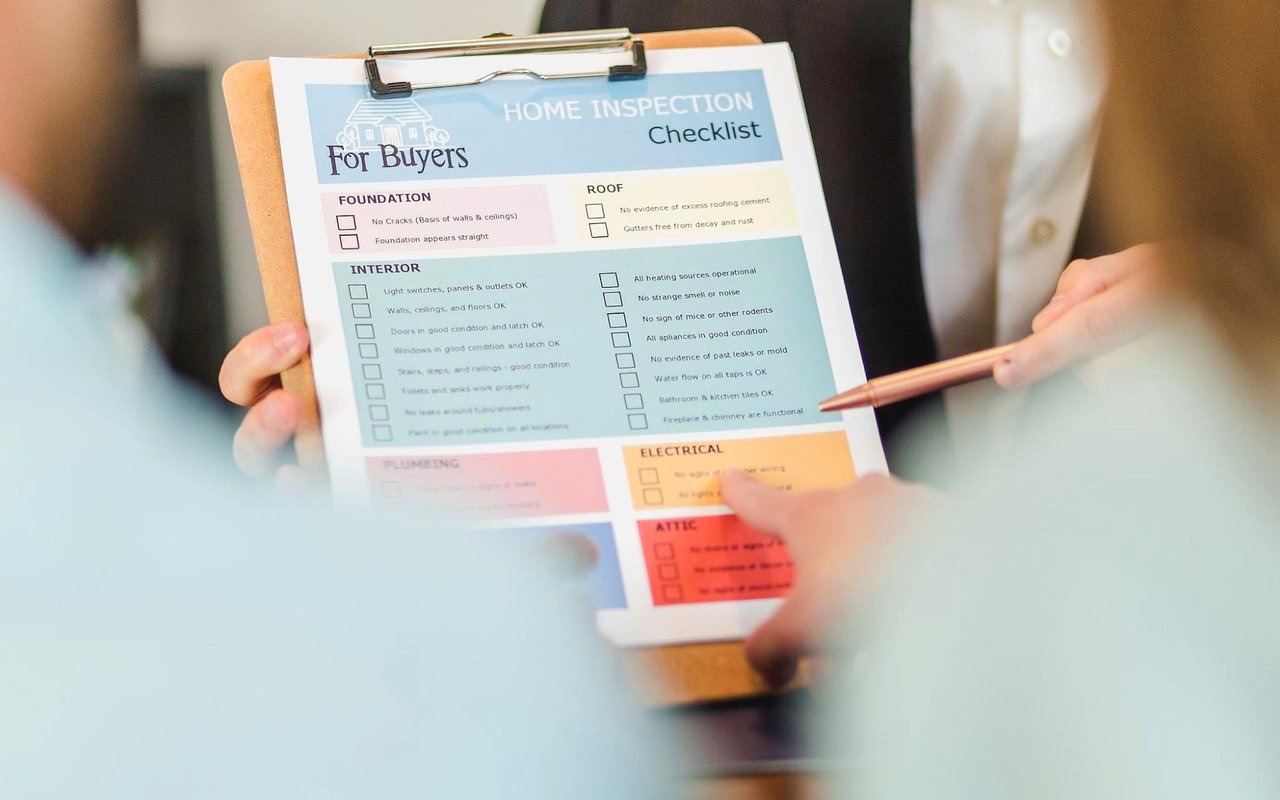
No one wants to move in and discover hidden plumbing leaks or electrical problems. With an inspection contingency in place, you have the opportunity to hire a professional inspector and thoroughly assess the property’s condition. If significant problems are revealed, you have room to negotiate repairs, ask for closing credits, request a price adjustment, or even decide to walk away. It ensures you’re making a well-informed decision, not just an emotional one.
Appraisal Contingency
In hot markets, it’s not unusual for offers to soar above the asking price. But will your lender see the same value in the property? The appraisal contingency protects you if the home’s appraised value comes in below the contract price. If there’s a shortfall, you can renegotiate or exit the deal, rather than scrambling to come up with extra cash or paying more than the home is worth.
Sale of Existing Home Contingency
Many buyers are in a delicate balancing act: selling one home while purchasing another. This contingency makes sure that your new purchase depends on successfully selling your current property.
Title Contingency
A property’s title should be clear of unresolved claims or liens. Title contingencies give buyers time to review a full title report and resolve any red flags before closing. If a major title issue emerges, you’re not stuck in a contract that could bring legal setbacks later.
How Contingencies Shape the Transaction Process
Every contingency has its own timeline and required steps, making organization and follow-through critical. Buyers and sellers must keep the process moving forward, meeting each deadline on time and resolving any issues that arise. Managing contingencies successfully can smooth the path to closing.
As you approach each deadline, you’ll need to provide written confirmation—often called a contingency removal—that you’ve met the condition or wish to move forward. If a problem can’t be resolved, the party protected by the contingency usually has the option to renegotiate, seek an extension, or withdraw from the agreement.
Effective management of contingencies demonstrates reliability and good faith on both sides. It sets the tone for the rest of the transaction and can often mean the difference between reaching a deal or heading back to square one.
As you approach each deadline, you’ll need to provide written confirmation—often called a contingency removal—that you’ve met the condition or wish to move forward. If a problem can’t be resolved, the party protected by the contingency usually has the option to renegotiate, seek an extension, or withdraw from the agreement.
Effective management of contingencies demonstrates reliability and good faith on both sides. It sets the tone for the rest of the transaction and can often mean the difference between reaching a deal or heading back to square one.
Key Steps for Navigating Contingencies
-
Negotiate which contingencies apply and agree on realistic deadlines.
-
Stay on top of every requirement: inspections, appraisals, and loan paperwork.
-
Remove contingencies in writing once the necessary conditions are met.
-
Address any issues quickly through open communication.
Should You Waive Contingencies? Risks and Rewards
It’s no secret that today’s most competitive real estate markets are fueling bold moves. Many buyers, eager to stand out, consider waiving certain contingencies. While this can speed up your path to closing and catch a seller’s eye, it comes with risks.
When you waive the inspection contingency, for example, you’re accepting the property as it stands—faults and all. Waiving an appraisal contingency means you may have to pay the difference if the appraised value falls short. It’s a decision that can fast-track your offer—but only if you’re comfortable with the “what ifs.”
For sellers, a clean, contingency-free offer can be attractive. It usually means less waiting and less uncertainty. Just keep in mind that even without contingencies in place, no deal is immune to hiccups; it’s always wise to verify your buyer’s financial strength and commitment.
When you waive the inspection contingency, for example, you’re accepting the property as it stands—faults and all. Waiving an appraisal contingency means you may have to pay the difference if the appraised value falls short. It’s a decision that can fast-track your offer—but only if you’re comfortable with the “what ifs.”
For sellers, a clean, contingency-free offer can be attractive. It usually means less waiting and less uncertainty. Just keep in mind that even without contingencies in place, no deal is immune to hiccups; it’s always wise to verify your buyer’s financial strength and commitment.
When Does Waiving Contingencies Make Sense?
-
You’re confident in your financial position and the property’s condition.
-
You’ve reviewed all available disclosures and pre-listing inspections in advance.
-
The seller has made clear that contingency-free offers are prioritized.
FAQs
What Is a Real Estate Contingency?
A real estate contingency is a contract condition that must be met for the sale to proceed. If the contingency isn’t satisfied, the protected party can typically cancel the contract.
How Long Do Contingencies Usually Last?
Most contingency periods range from 7-10 days for inspections and up to 21 days for securing financing or completing appraisals. Exact timelines depend on what both parties agree to in the contract.
Can a Seller Refuse an Offer With Contingencies?
Yes, sellers can accept, reject, or make a counteroffer on any terms—including those with contingencies. In markets with high demand, sellers may favor offers with fewer contingencies.
Is Waiving Contingencies a Good Idea?
Waiving contingencies can help you win in a competitive market, but it removes key protections. Always consider your comfort level before waiving any terms.
Take Control of Your Real Estate Journey
Real estate transactions are rarely simple—but with a strong grasp of contingencies, you can take charge of your experience. With the right approach to contingencies, your next closing can be rewarding and streamlined.
If you’re ready to navigate Boulder’s dynamic real estate market with clarity, reach out to me, Jennifer Stuckey, for the local expertise you need. Whether you’re buying, selling, or simply exploring your options, you deserve a professional guide who puts your interests first at every step. Let’s connect and make your next move a success.
If you’re ready to navigate Boulder’s dynamic real estate market with clarity, reach out to me, Jennifer Stuckey, for the local expertise you need. Whether you’re buying, selling, or simply exploring your options, you deserve a professional guide who puts your interests first at every step. Let’s connect and make your next move a success.