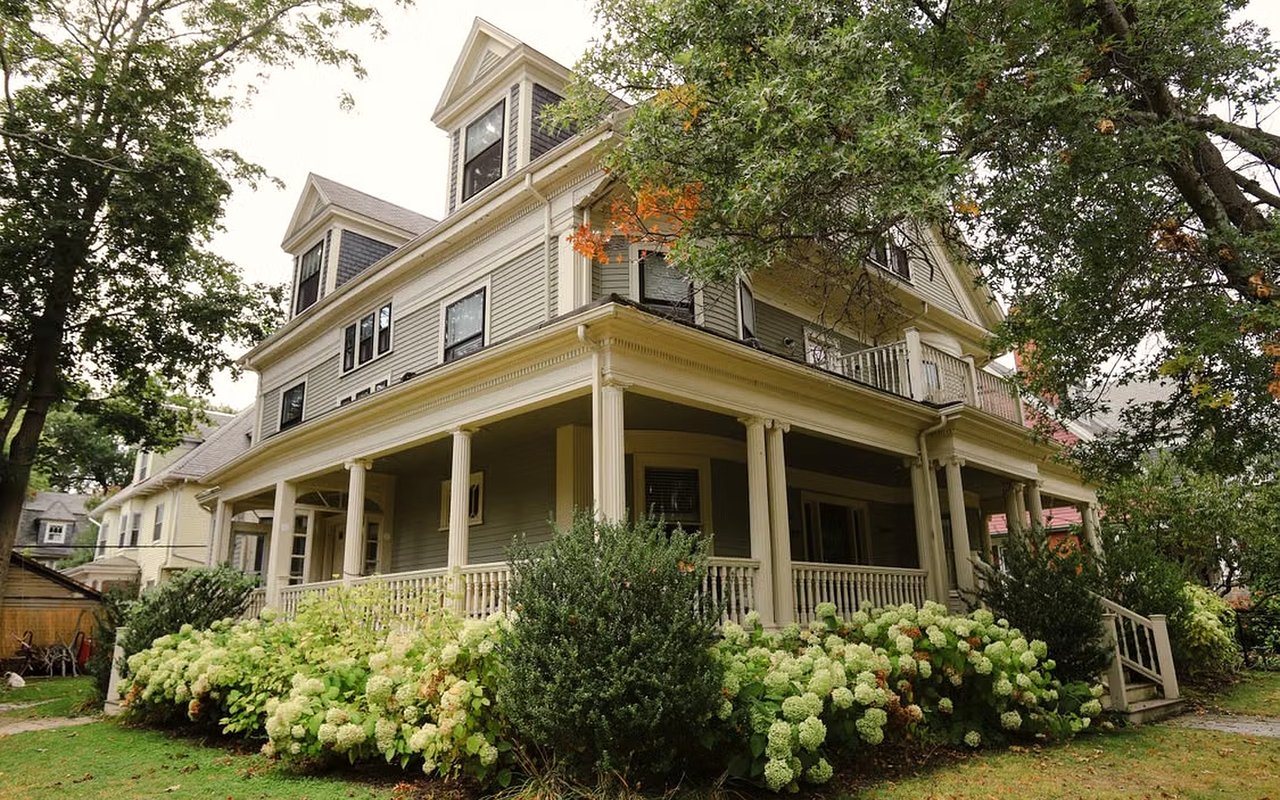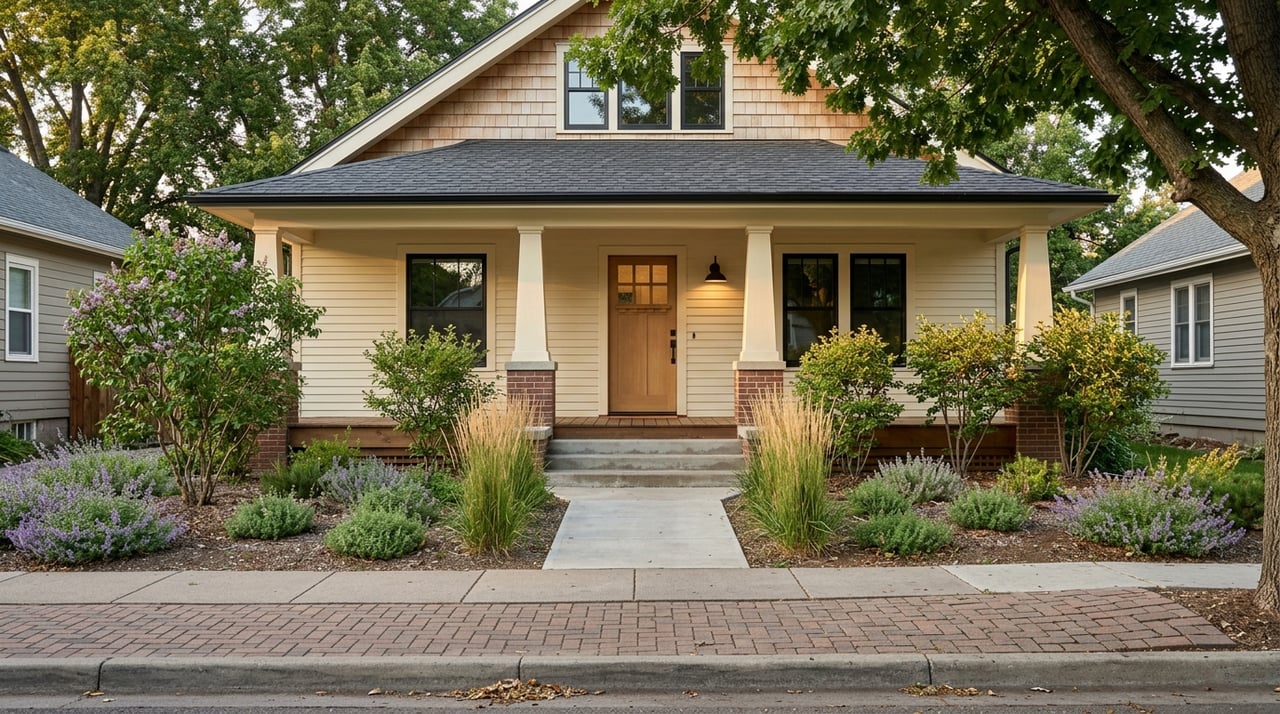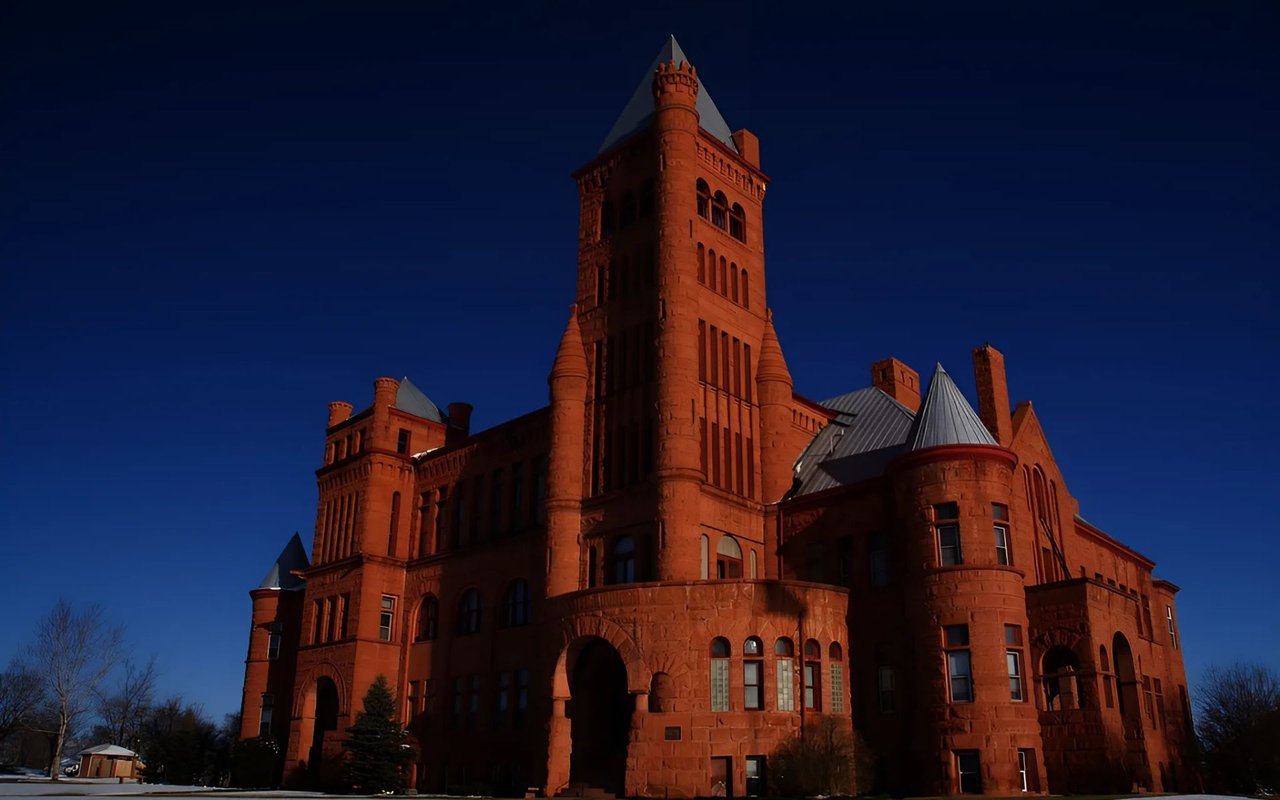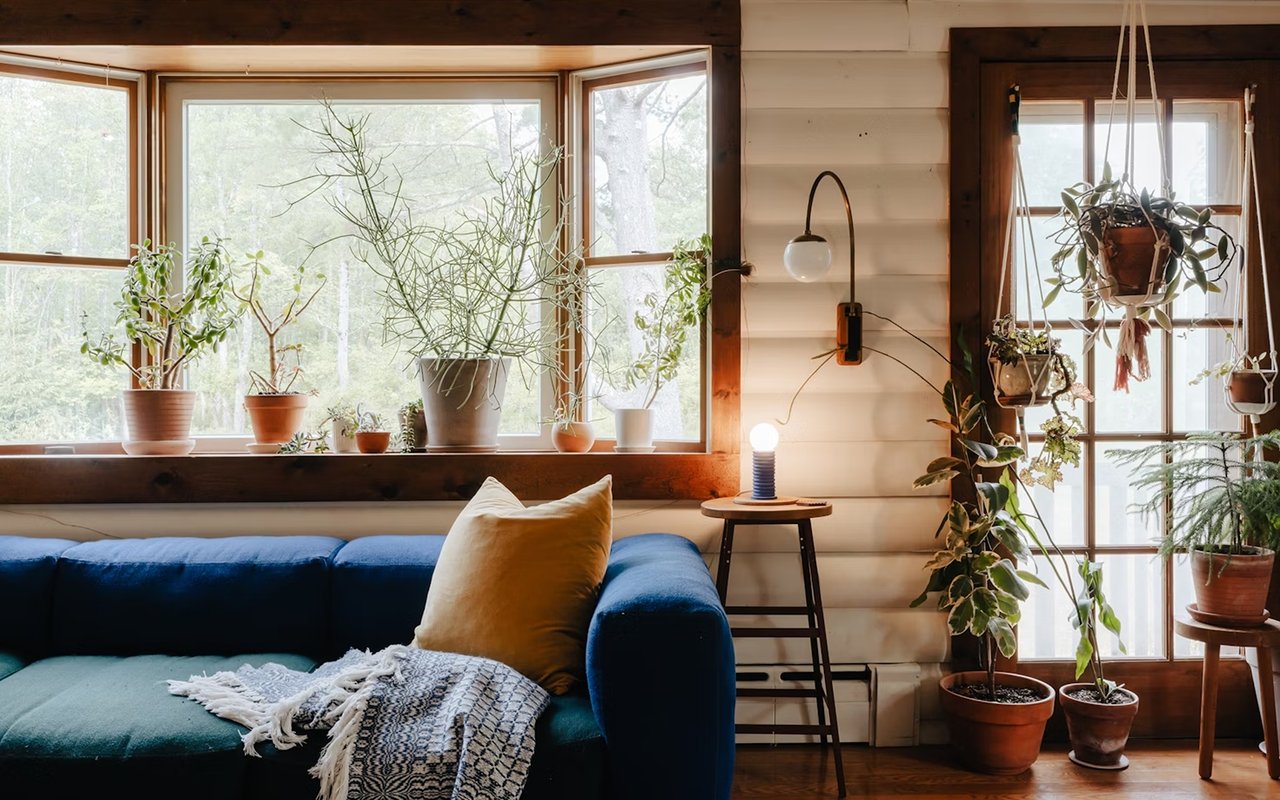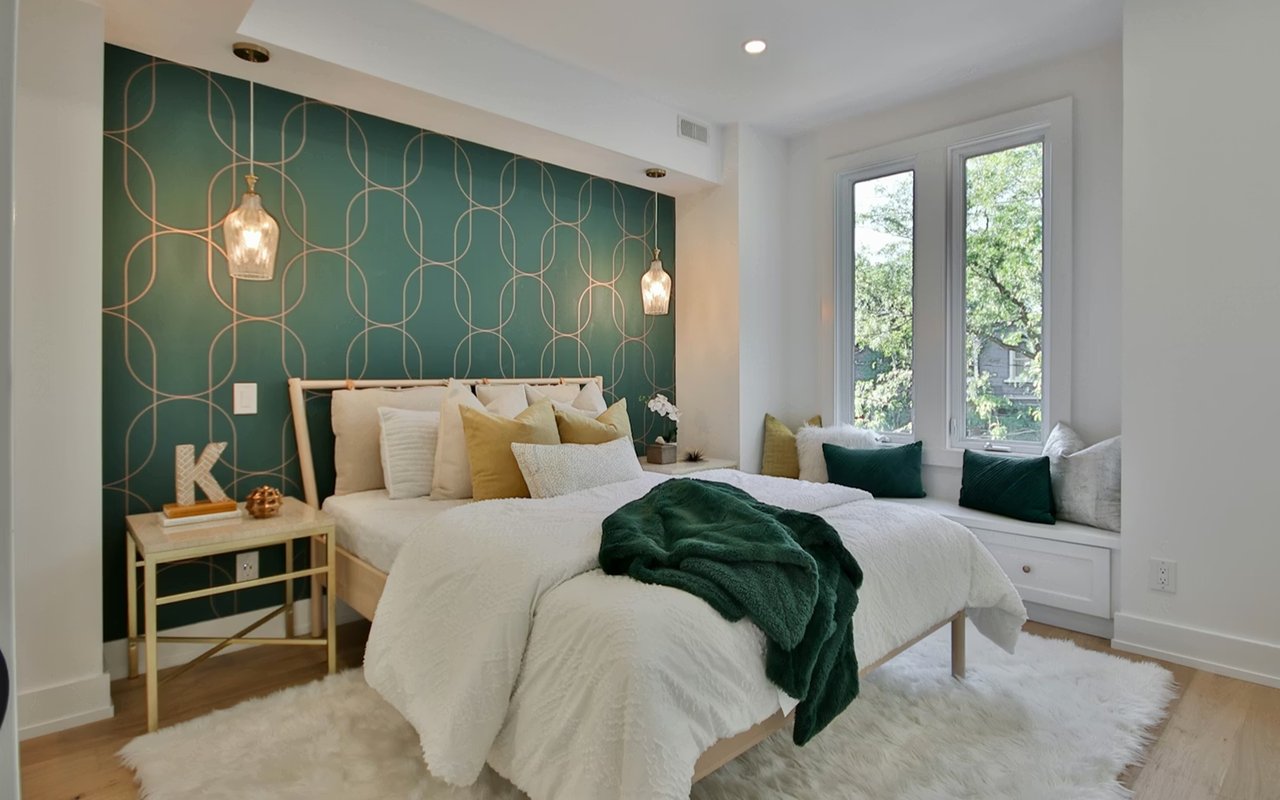
There is something extraordinary about owning a historic home in Boulder. When you step inside, you open the door to decades or even centuries of memories, character, and architectural artistry. Each detail, from the creak of the original hardwood floors to the delicate trim around the windows, offers a direct connection to Boulder’s colorful past.
If you have ever imagined yourself as the next proud steward of a storied residence, or if you already wake up every morning surrounded by such classic elements, you know just how special these homes feel.
But what does it really take to maintain that magic? How do you protect such a rare treasure without losing your mind — or your budget — in the process? This guide will pull back the curtain on what you need to know about keeping your historic Boulder home in peak condition.
Understanding the Unique Needs of a Historic Home
Walking through your historic home is a bit like living inside a work of art. These aren’t just houses; they are pieces of Boulder’s history, with features you will typically not find in modern construction. Even so, all that character comes with responsibilities that set your home apart from anything built in recent decades.
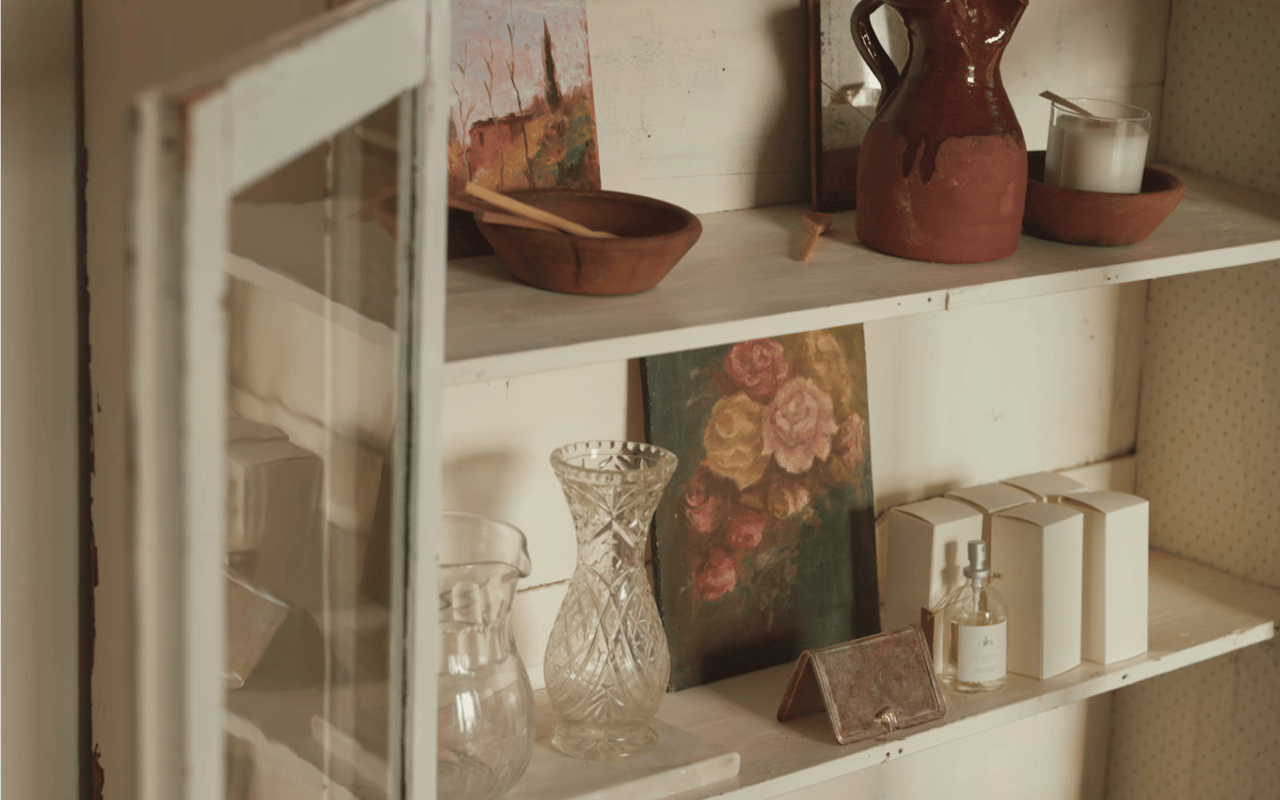
You may find original glass windows that shimmer with age, hand-carved banisters, or tilework that could stop anyone in their tracks. Preserving these details calls for care, patience, and an almost detective-like attention to detail. Unlike newer homes, where you can simply swap out materials, maintaining a historic property means digging deeper: tracking down specialized supplies, consulting with experts, or even learning old-world repair techniques yourself. Every original fixture and every ornate molding asks you to respect the art that has survived for so long.
Systems like plumbing and wiring also deserve special attention. Many historic Boulder homes feature methods and materials no longer standard today; you cannot always rely on a quick fix or a one-size-fits-all approach. Sometimes, you’ll be faced with choices that combine modern efficiency with period authenticity. For those who love these homes, the process is every bit as rewarding as the outcome.
You may find original glass windows that shimmer with age, hand-carved banisters, or tilework that could stop anyone in their tracks. Preserving these details calls for care, patience, and an almost detective-like attention to detail. Unlike newer homes, where you can simply swap out materials, maintaining a historic property means digging deeper: tracking down specialized supplies, consulting with experts, or even learning old-world repair techniques yourself. Every original fixture and every ornate molding asks you to respect the art that has survived for so long.
Systems like plumbing and wiring also deserve special attention. Many historic Boulder homes feature methods and materials no longer standard today; you cannot always rely on a quick fix or a one-size-fits-all approach. Sometimes, you’ll be faced with choices that combine modern efficiency with period authenticity. For those who love these homes, the process is every bit as rewarding as the outcome.
The Importance of Preventative Maintenance
If there is one habit that will serve you better than any other as the owner of a historic Boulder home, it is getting ahead of maintenance. Think of yourself as both caretaker and detective, always on the lookout for early signs of trouble before they have a chance to spiral into more expansive problems.
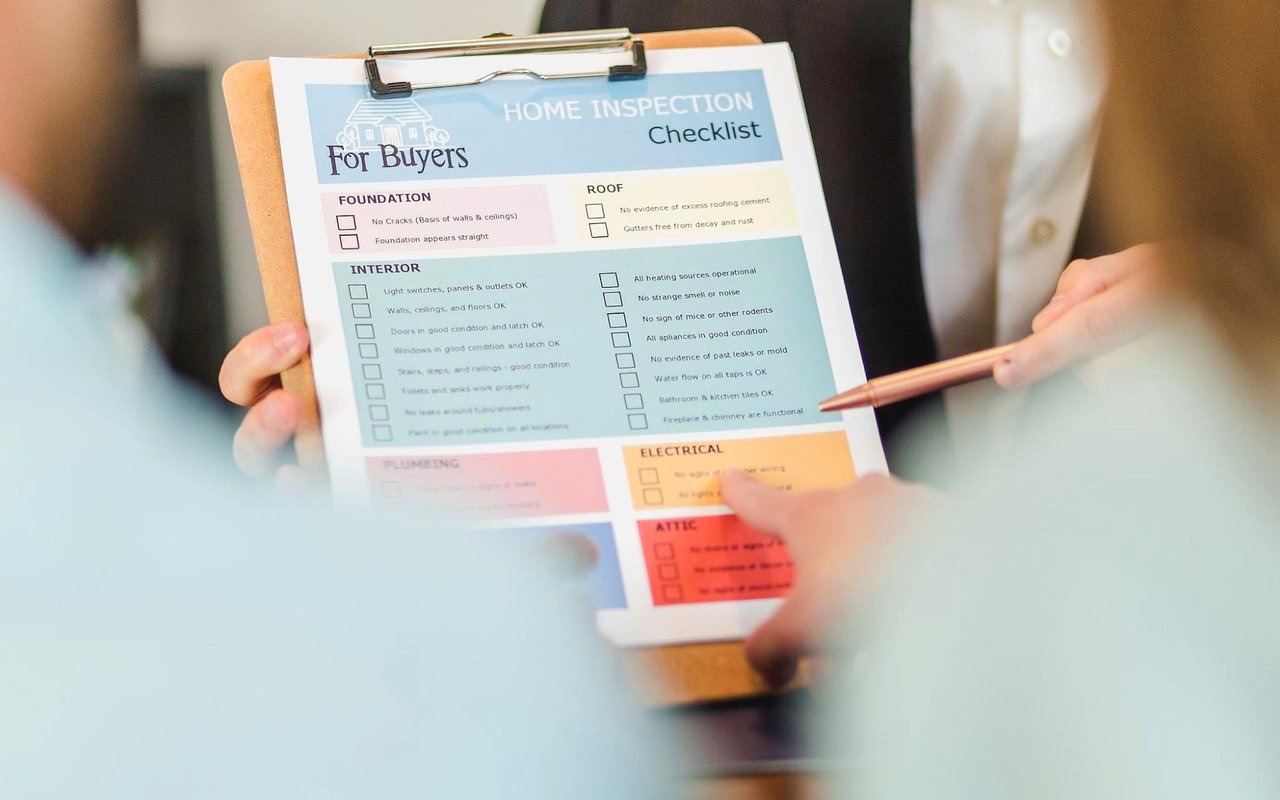
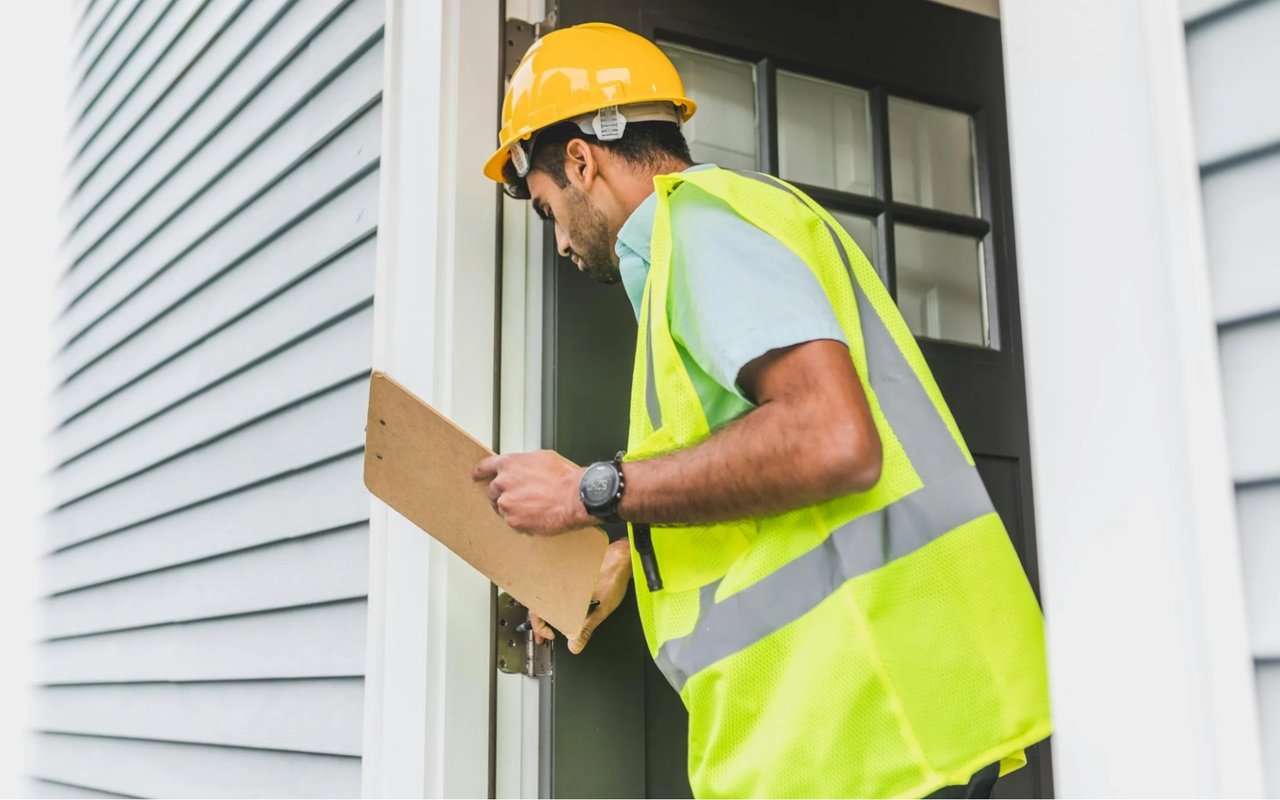
The unique beauty of historic homes comes from features like wood siding, intricate masonry, or original roofing materials, but each of these requires a little more attention and vigilance. Routine inspections, both inside and out, should become part of your maintenance calendar. Look for peeling paint, soft spots in the flooring, tiny cracks in the plaster, or subtle shifts in the foundation. These are your clues. Catching them early makes all the difference in cost, time, and peace of mind.
Go beyond just the surface. Periodically check your plumbing, electrical, and heating systems, especially if you are unsure of their last update. Consider keeping a dedicated home journal in which you record all repairs, updates, and discoveries. This is more than just a practical step; it is a living record of your stewardship, and it will prove invaluable if you ever decide to sell or pass your home on to the next lucky owner.
The unique beauty of historic homes comes from features like wood siding, intricate masonry, or original roofing materials, but each of these requires a little more attention and vigilance. Routine inspections, both inside and out, should become part of your maintenance calendar. Look for peeling paint, soft spots in the flooring, tiny cracks in the plaster, or subtle shifts in the foundation. These are your clues. Catching them early makes all the difference in cost, time, and peace of mind.
Go beyond just the surface. Periodically check your plumbing, electrical, and heating systems, especially if you are unsure of their last update. Consider keeping a dedicated home journal in which you record all repairs, updates, and discoveries. This is more than just a practical step; it is a living record of your stewardship, and it will prove invaluable if you ever decide to sell or pass your home on to the next lucky owner.
Tackling Restoration Versus Renovation
One of the most exciting — and sometimes most confusing — parts of caring for a historic home is deciding when to restore and when to renovate. Restoration means returning your home to its original splendor, using materials and methods faithful to the time period. Renovation, on the other hand, gives you a bit more creative freedom, combining the old with the new to suit modern lifestyles.
Restoring original floors or preserving hand-crafted cabinetry can be a labor of love. You might hunt through architectural salvage yards for that perfect door handle or painstakingly strip layers of paint to reveal stunning wood grain underneath. The payoff? A home that feels utterly authentic and breathtaking.
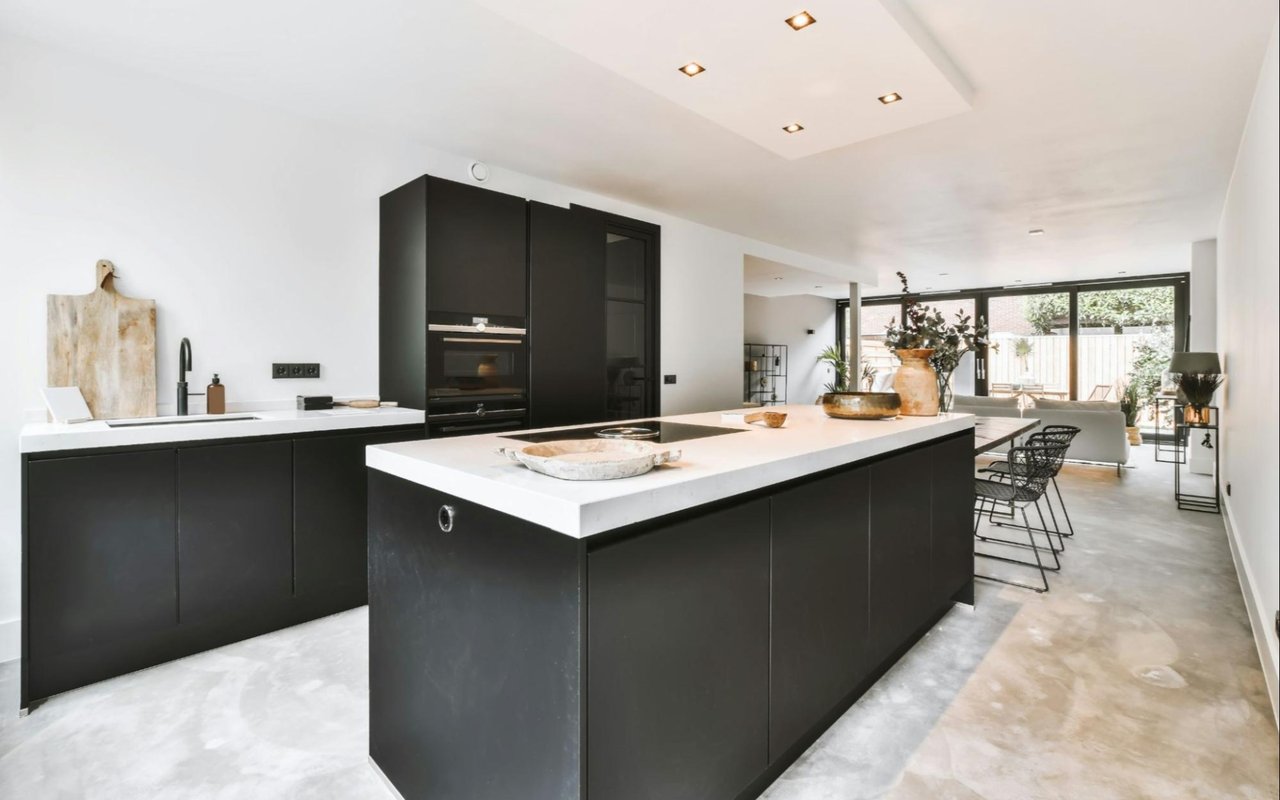
But let’s be honest: modern life sometimes calls for updates. Maybe you want a kitchen that functions better for today’s needs or a bathroom that offers real comfort and convenience. You do not have to sacrifice style for practicality; with thoughtful planning, you can weave modern amenities into your home’s historic fabric. Work with professionals who understand the difference between these two approaches. You deserve a home that honors its past and supports your present.
Restoring original floors or preserving hand-crafted cabinetry can be a labor of love. You might hunt through architectural salvage yards for that perfect door handle or painstakingly strip layers of paint to reveal stunning wood grain underneath. The payoff? A home that feels utterly authentic and breathtaking.
But let’s be honest: modern life sometimes calls for updates. Maybe you want a kitchen that functions better for today’s needs or a bathroom that offers real comfort and convenience. You do not have to sacrifice style for practicality; with thoughtful planning, you can weave modern amenities into your home’s historic fabric. Work with professionals who understand the difference between these two approaches. You deserve a home that honors its past and supports your present.
Addressing Energy Efficiency and Comfort
Historic homes are not always known for their energy efficiency. Drafty windows, old insulation, and outdated heating systems can leave you shivering in winter and sweating in summer. But here’s the great news: you can make meaningful improvements without compromising your home’s unique personality.
Simple steps like new weatherstripping, caulking, or installing storm windows can make a dramatic difference in comfort and utility bills. Whenever possible, preserve those gorgeous original windows by enhancing, not replacing them. New insulation can often be added in attics or basements, helping you maintain historic details while boosting efficiency.
If you need to update the heating or cooling systems, look for professionals with experience in older homes. Many modern solutions, such as ductless mini-split systems or radiant floor heating, can be installed without major disruption. The key is to strike a balance: honor your home’s past, but don’t be afraid to bring it up to today’s standards for comfort.
Simple steps like new weatherstripping, caulking, or installing storm windows can make a dramatic difference in comfort and utility bills. Whenever possible, preserve those gorgeous original windows by enhancing, not replacing them. New insulation can often be added in attics or basements, helping you maintain historic details while boosting efficiency.
If you need to update the heating or cooling systems, look for professionals with experience in older homes. Many modern solutions, such as ductless mini-split systems or radiant floor heating, can be installed without major disruption. The key is to strike a balance: honor your home’s past, but don’t be afraid to bring it up to today’s standards for comfort.
Embracing the Joys and Challenges
No one said that owning a historic home in Boulder would be easy, but the moments of challenge are matched by moments of pure joy. There is a unique thrill in uncovering original features or simply waking up each day surrounded by living history.
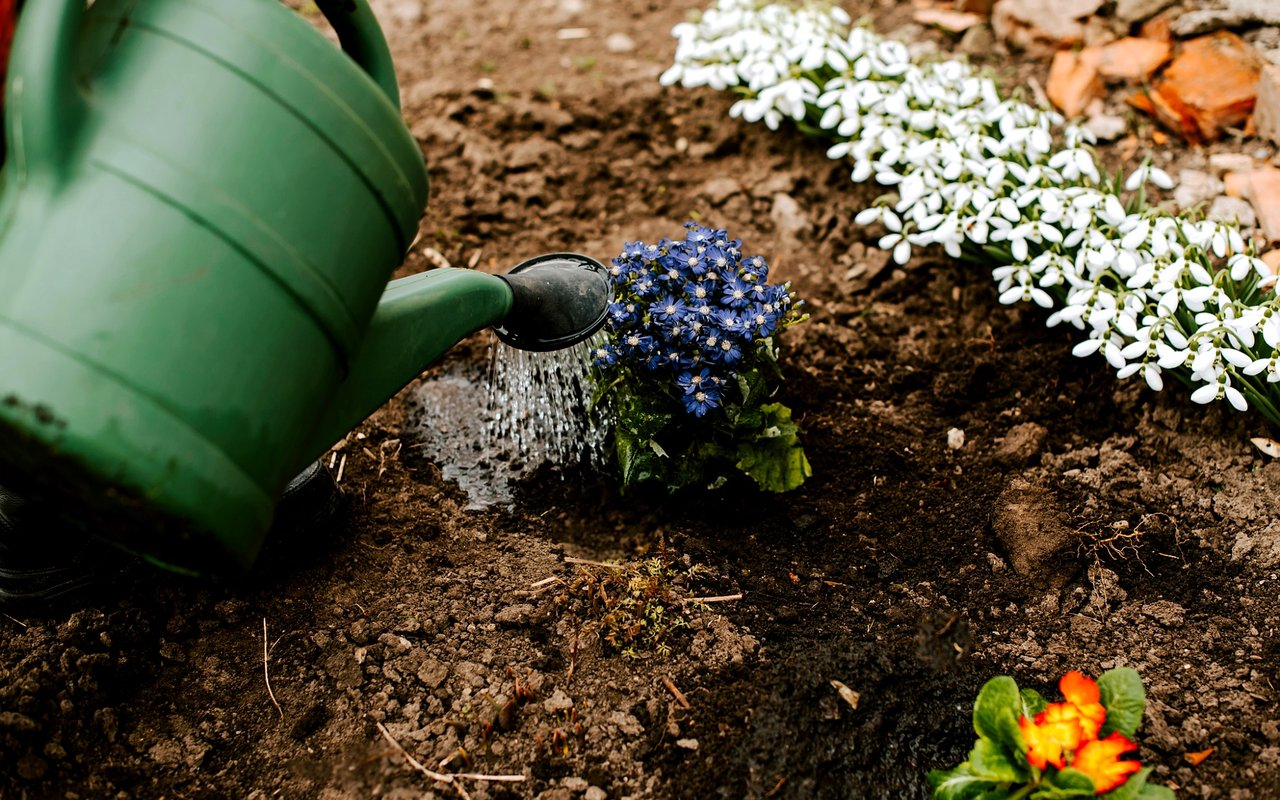
Every time you restore a window, refinish a floor, or revive a garden, you add your own chapter to Boulder’s ongoing story.
Every time you restore a window, refinish a floor, or revive a garden, you add your own chapter to Boulder’s ongoing story.
Your Next Steps Toward Preserving History
Taking care of a historic home in Boulder is not just about maintenance; it is about passion, stewardship, and pride. You have an opportunity to honor the past while creating a beautiful, lasting future.
If you’re ready to find the right home in Boulder and achieve your homeownership dreams, connect with Jennifer Stuckey today.
If you’re ready to find the right home in Boulder and achieve your homeownership dreams, connect with Jennifer Stuckey today.