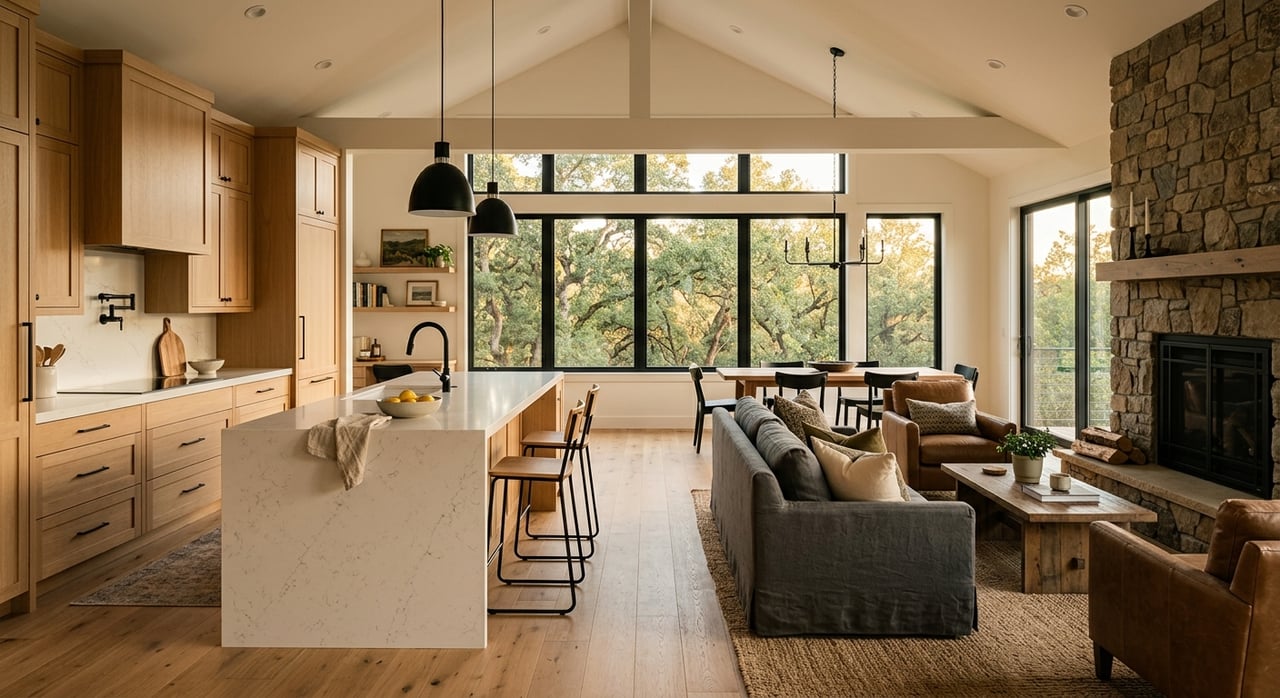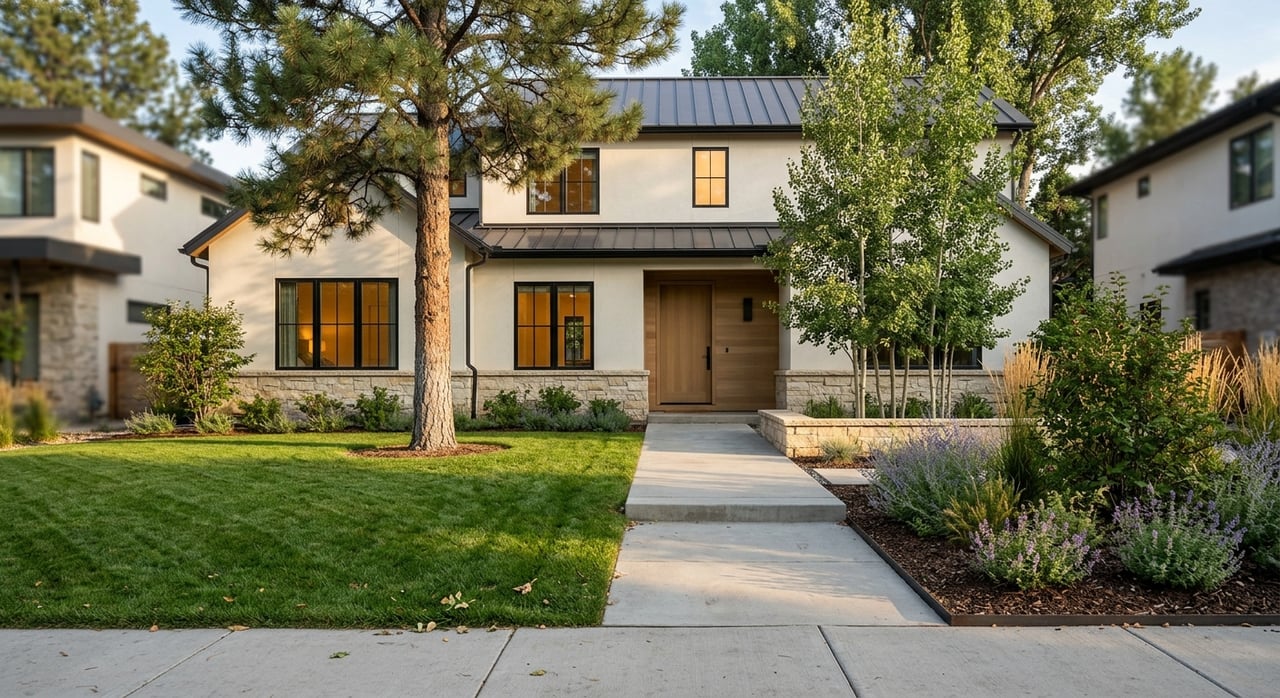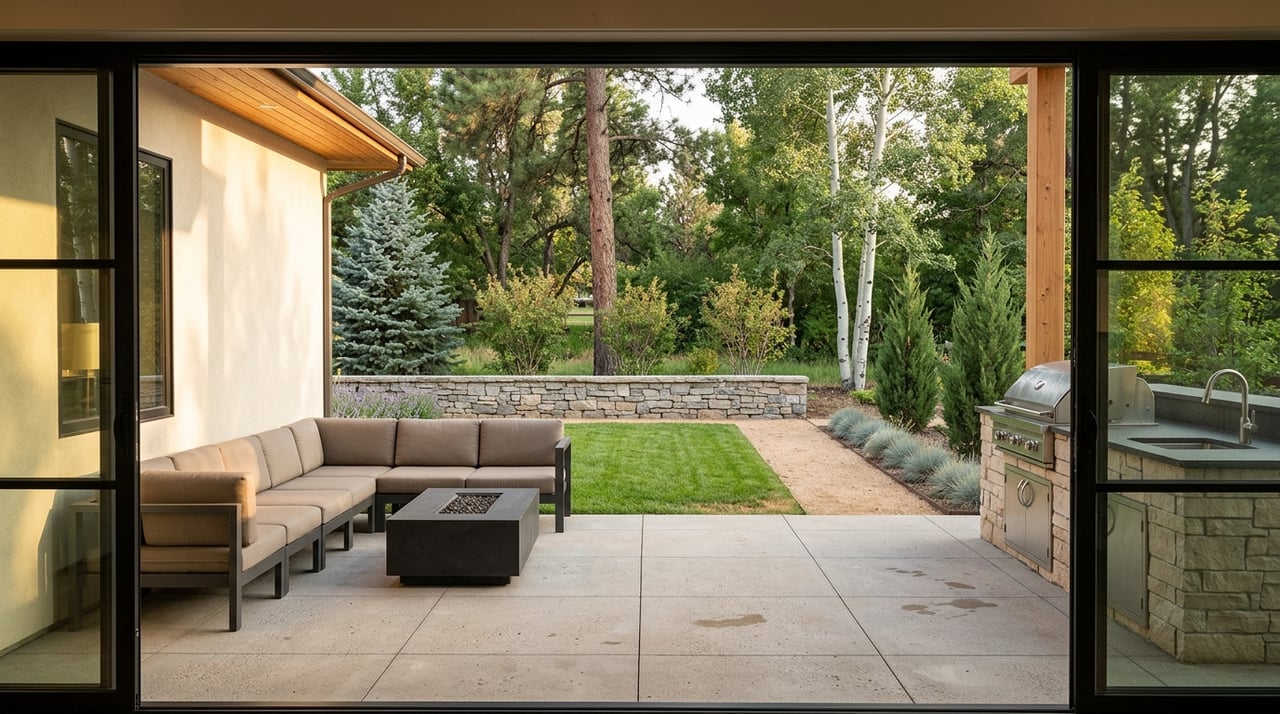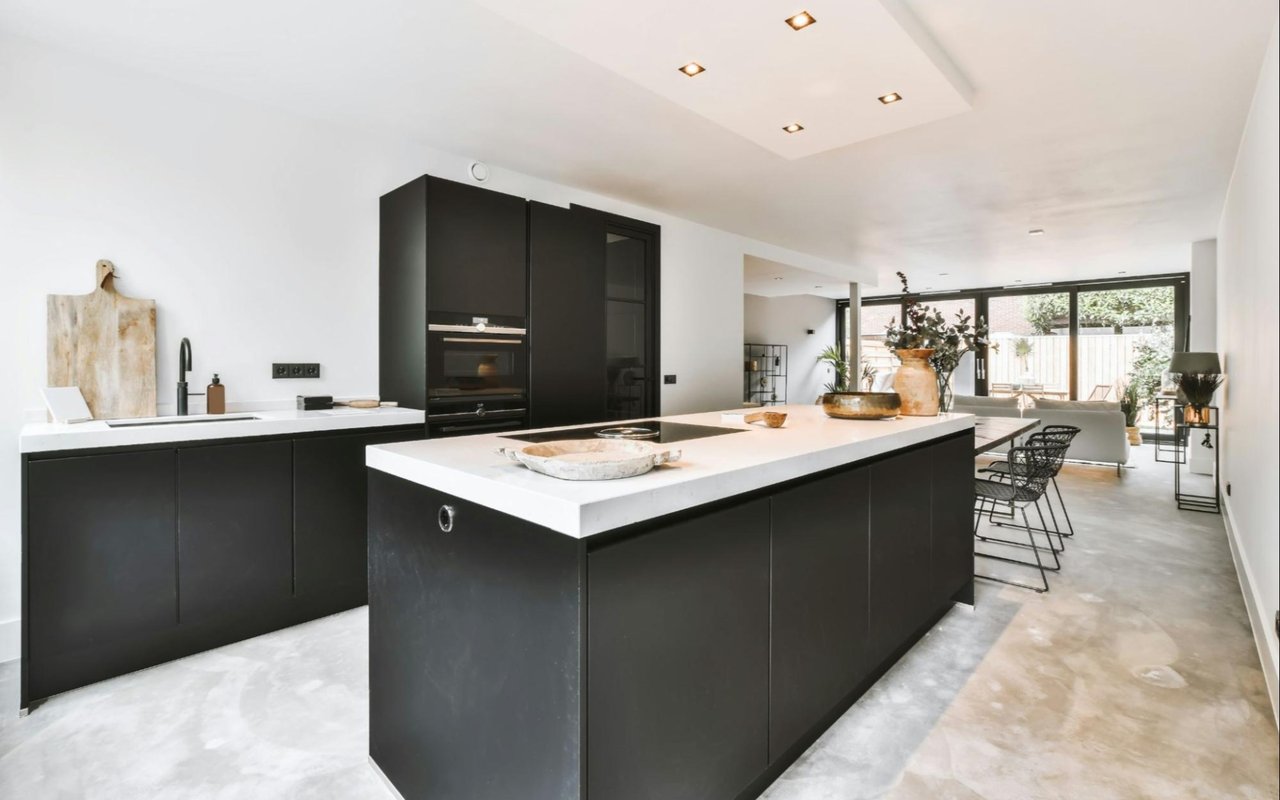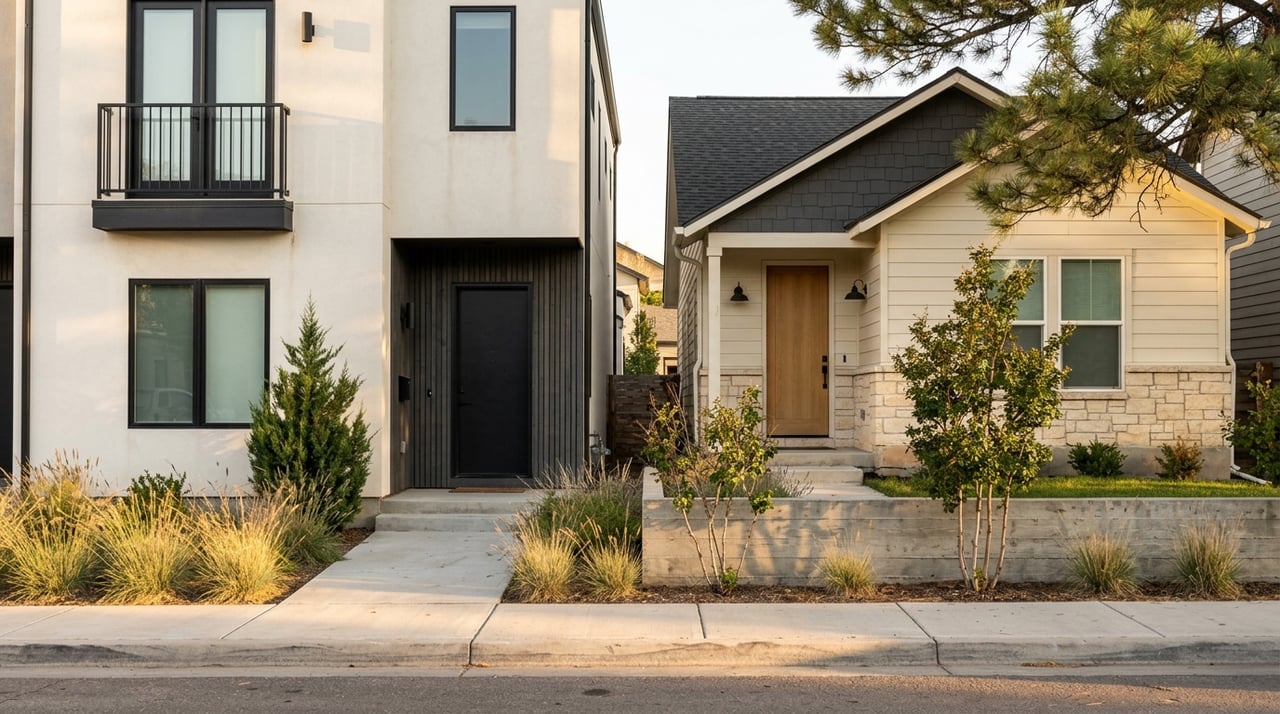
If you’re trying to decide between a condo and a house in Boulder, the price difference alone can stop you in your tracks. In March 2026, Boulder’s median sale price was $1,240,000 for single-family homes and $397,000 for condo and co-op homes, which is a huge gap. That means your decision is not just about lifestyle. It is also about monthly cost, maintenance, flexibility, and what kind of Boulder experience you want. Let’s dive in.
Why this choice matters in Boulder
In many markets, choosing a condo or a house comes down to space versus convenience. In Boulder, that choice carries even more weight because property values are high and land-use rules shape what homes can look like and how they can change over time.
Boulder is also a city where location strongly affects value. The city is moderately walkable overall, but neighborhood differences are significant. For example, Downtown Boulder condos have a median listing price of $824,000, while Central Boulder condos show a median listing price of $611,000. That means a condo in one part of Boulder can cost as much as, or more than, some buyers expect to pay for far more space elsewhere.
Condo vs. house at a glance
A simple way to think about the Boulder decision is this: condos usually favor budget, location, and lower maintenance, while houses usually favor privacy, space, and control. The right fit depends on how you want to live now and what you may want a few years from now.
Here is a quick comparison:
| Factor | Condo | House |
|---|---|---|
| Entry price | Usually lower | Usually higher |
| Exterior maintenance | Shared through HOA | Your responsibility |
| Monthly fees | HOA dues required | No condo dues, but separate upkeep costs |
| Privacy | Typically less | Typically more |
| Outdoor space | Limited private space | More yard and exterior use |
| Walkability | Often stronger in central areas | Varies by neighborhood |
| Customization | More restrictions | More control, subject to zoning |
| Future flexibility | Depends on HOA and layout | May allow additions or ADU potential |
When a condo makes sense in Boulder
A condo can be a smart fit if you want to get into Boulder at a lower price point. Boulder’s own affordable housing guide notes that detached single-family homes are increasingly only affordable to the wealthy, while attached condos and apartments are generally more affordable options.
That lower entry price can create room in your budget for a more central location. If being close to downtown, daily errands, bike routes, or trail access matters more to you than having a private yard, a condo may line up well with your goals.
Condos also appeal to buyers who want less hands-on exterior maintenance. In a typical condo setup, owners jointly own the exterior and common areas, and monthly dues often help cover exterior repairs, common-area maintenance, water, sewer, trash, and sometimes amenities or reserve funds.
For some buyers, that trade is worth it. You may give up private outdoor space, but you gain convenience and a simpler day-to-day ownership experience.
Boulder lifestyle benefits of condos
In Boulder, condos often support a location-first lifestyle. Downtown Boulder is highly walkable, with a Walk Score of 83, and central areas can make it easier to enjoy shops, restaurants, services, and local amenities without relying on a car for every trip.
That matters in a city shaped by access to the outdoors. Boulder manages more than 46,640 acres of Open Space and Mountain Parks and about 155 miles of trails. If your ideal weekend includes getting outside rather than mowing a yard or managing exterior repairs, low-maintenance living can be especially appealing.
What to review before buying a condo
Not all condos offer the same value. Before you buy, it is important to understand both the monthly dues and the health of the association behind them.
Key questions to ask include:
- What exactly do the HOA dues cover?
- How much money is in the reserve fund?
- Are there any planned or recent special assessments?
- What insurance does the association carry?
- Is the condo project warrantable for financing?
- Are there rules that affect pets, parking, rentals, or property use?
These details matter because condo costs can be more than the purchase price alone. HOA dues are usually separate from your mortgage payment and can range from a few hundred dollars to more than $1,000 per month. Association decisions can also affect financing, resale, and your long-term ownership costs.
When a house makes sense in Boulder
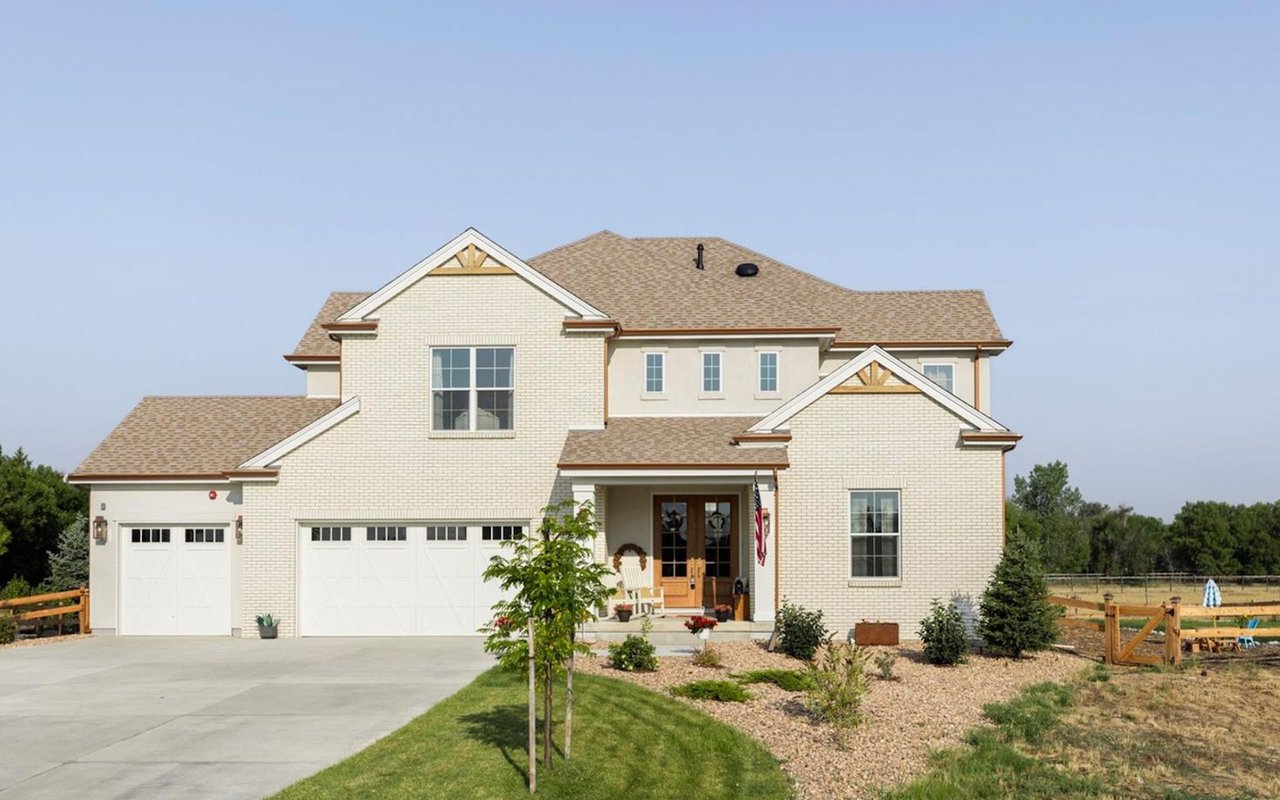
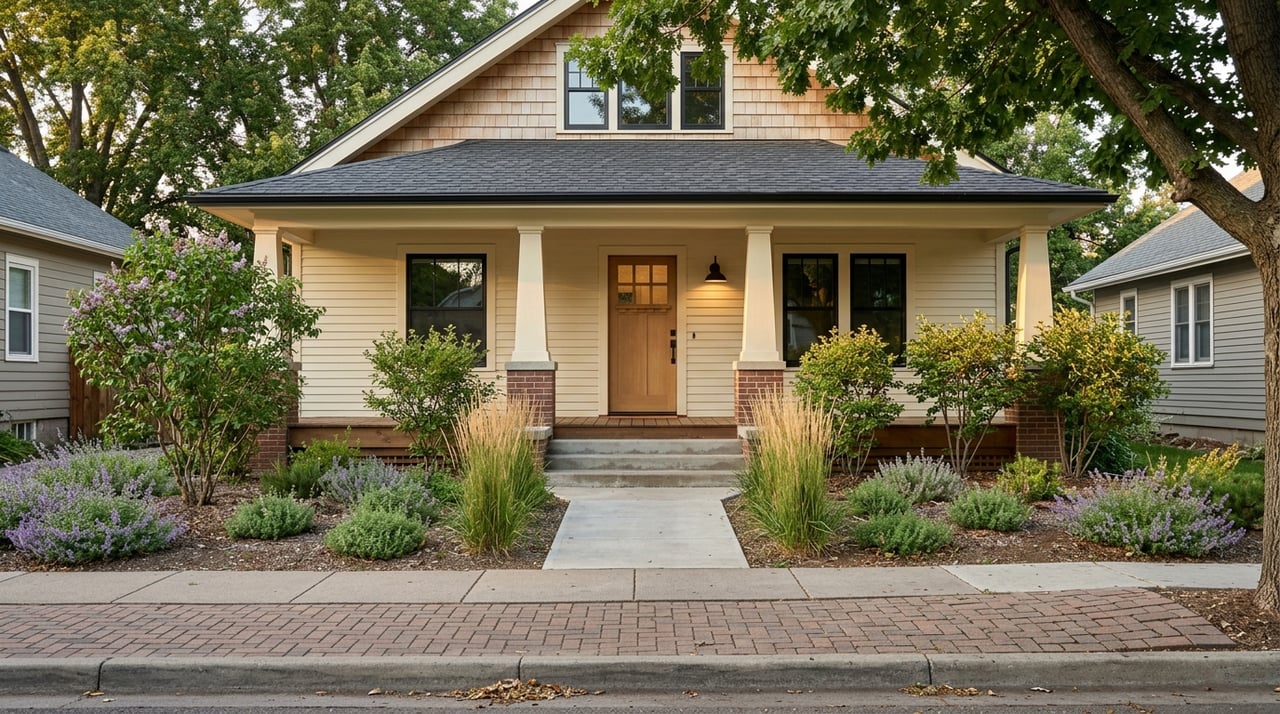
A house often fits buyers who want more privacy and more control over their property. If having separation from neighbors, outdoor living space, storage, or room to spread out matters to you, a detached home may feel more natural.
A house can also offer more flexibility over time. Boulder allows accessory dwelling units, or ADUs, on many single-family lots when zoning and design standards are met. That can create options for multigenerational living or rental income, depending on the property and local rules.
For many buyers, the appeal of a house is not just square footage. It is the ability to shape the property around your life, whether that means gardening, creating better outdoor spaces, or planning for future household changes.
Boulder rules that affect house buyers
In Boulder, buying a house is not just about the structure itself. It is also about what the lot allows.
The city’s zoning and site-review standards are designed to preserve open space, scenic character, privacy, and human-scale development. Building height is generally limited to 55 feet, with lower limits in some areas. Building coverage rules in certain residential zones are also intended to preserve open space on the lot, visual access to the sky, and privacy for nearby residences.
In practical terms, that means you should not assume a house lot can be expanded to its maximum possible footprint. If future additions, exterior changes, or an ADU matter to you, it is important to verify zoning, setbacks, height limits, floor-area rules, and solar-access standards before you buy.
The tradeoffs of a house
The biggest downside is cost. Boulder’s median single-family sale price is far above the condo median, which can affect not just your down payment but also your monthly payment, taxes, insurance, and repair budget.
There is also more direct responsibility. With a detached home, you are typically managing the roof, siding, landscaping, snow removal, and exterior repairs yourself rather than sharing those costs through an association. Some buyers want that control. Others would rather trade it for simplicity.
Neighborhood matters as much as property type
In Boulder, the condo-versus-house question often becomes a neighborhood question. A condo in Downtown Boulder may offer a very different lifestyle than a condo in Central Boulder, and a house near open space may feel completely different from a house in a more central area.
That is why it helps to think beyond the property type alone. Ask yourself what you care about most in your daily routine.
Questions to ask about location
- Do you want to walk or bike to errands, dining, or downtown spots?
- How important is trail access or proximity to open space?
- Would you rather have private outdoor space or easier access to public outdoor amenities?
- How much commuting do you expect to do?
- Are you prioritizing a central location now or more room for the future?
Boulder’s combination of walkability, outdoor access, and tight land-use controls means the same budget can buy very different lifestyles. Looking at the neighborhood through that lens can make the decision much clearer.
Ownership costs to compare carefully
The list price is only part of the story. To compare a condo and a house fairly, you need to look at the full monthly and long-term cost.
For a condo, that includes your mortgage, property taxes, insurance, and HOA dues. For a house, that includes your mortgage, property taxes, insurance, and the repairs and maintenance you will handle directly.
A condo may look more affordable at first glance, and often it is. But if dues are high or a special assessment is likely, the monthly picture can shift. On the house side, the payment may be higher from day one, but you may have more control over how and when you spend on upkeep or improvements.
A practical way to decide
If you are still torn, focus on the three factors that usually drive the best decision in Boulder:
1. Your budget comfort
Start with what feels sustainable, not just what you can technically qualify for. In a high-cost market, keeping room in your budget can matter just as much as buying the largest property possible.
2. Your preferred lifestyle
Think about how you want your home to support your week. If you value convenience, walkability, and lower maintenance, a condo may be the better fit. If you want privacy, outdoor space, and more long-term control, a house may be worth the added cost and responsibility.
3. Your future plans
Consider what the next few years may bring. If you may need more space, want the option for an ADU, or expect your household needs to change, a house may offer more flexibility. If you want an easier lock-and-leave setup or a central base close to Boulder amenities, a condo may make more sense.
The bottom line for Boulder buyers
Choosing between a condo and a house in Boulder is rarely just about size. It is about balancing price, location, maintenance, privacy, and what local rules allow you to do with the property over time.
For many buyers, condos open the door to Boulder living at a lower price point and with less day-to-day upkeep. For others, a house is the better long-term choice because it offers more privacy, more usable outdoor space, and more control. The best answer usually comes from matching your budget and goals with the right neighborhood, the right property, and the right due diligence.
If you want help weighing the tradeoffs and narrowing your options in Boulder, Jennifer Stuckey can guide you through the numbers, neighborhood differences, and property details so you can make a confident decision.
FAQs
What is the main price difference between condos and houses in Boulder?
- In March 2026, Boulder’s median sale price was $1,240,000 for single-family homes and $397,000 for condo and co-op homes, so houses cost substantially more on average.
What do condo HOA fees usually cover in Boulder?
- Condo dues often cover shared exterior repairs, common-area maintenance, water, sewer, trash, and sometimes amenities, insurance, or reserve funding, but coverage varies by association.
What should you review before buying a Boulder condo?
- You should review the HOA budget, reserve fund, any special assessments, insurance coverage, financing eligibility, and the association’s rules for things like parking, pets, rentals, and property use.
What should you check before buying a Boulder house?
- You should verify zoning, setbacks, height limits, lot coverage, solar-access standards, and whether future additions or an ADU are realistic for that specific property.
Can a Boulder house offer rental or multigenerational flexibility?
- Some single-family properties may allow an accessory dwelling unit if the lot and design meet city standards, which can create options for rental income or multigenerational living.
Is location as important as property type in Boulder?
- Yes. In Boulder, neighborhood differences in walkability, pricing, and access to open space can shape your day-to-day lifestyle just as much as whether you choose a condo or a house.