By Jennifer Stuckey
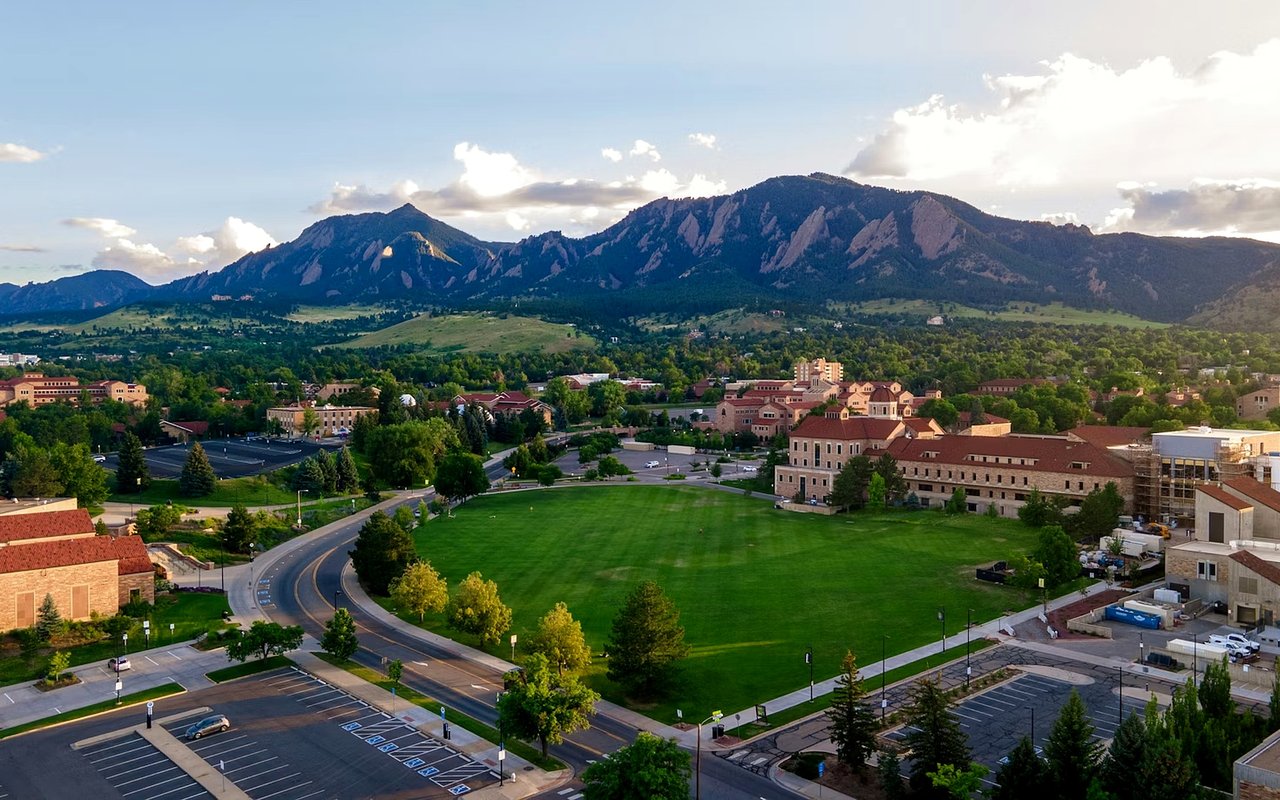
Boulder’s residential landscape is shaped as much by planning decisions as by geography. The city sits at the base of the Flatirons, with strict growth boundaries and open-space protections that directly influence how neighborhoods evolve and how homes retain value over time.
Much of Boulder’s housing stock reflects decades of intentional development, from established central neighborhoods to newer enclaves in North Boulder. These factors form the foundation of what makes Boulder special for people deciding where to put down roots.
Key Takeaways
-
Growth managed by long-term planning
-
Neighborhoods shaped by geography
-
Housing tied closely to land use
-
Real estate influenced by preservation
A City Designed to Stay Compact
Boulder’s physical footprint is not accidental, and that intentional design directly affects housing availability, neighborhood character, and pricing. Unlike many Front Range cities that expanded outward over time, Boulder established firm limits early on, creating a compact urban form surrounded by open land.
How land-use planning shapes housing
-
Urban growth boundary: Limits outward expansion
-
Protected open space: Surrounds residential areas
-
Infill focus: Encourages thoughtful redevelopment
Because expansion is constrained, redevelopment tends to be careful and highly regulated. This framework, a key reason Boulder is special, continues to resonate with buyers who want consistency rather than constant change.
Neighborhoods with Distinct Residential Profiles
Boulder is made up of clearly defined residential areas, each with its own development history and architectural rhythm. Rather than one uniform housing style, the city offers neighborhoods that reflect different periods, planning priorities, and relationships to open space.
Examples of neighborhood characteristics
-
Mapleton Hill: Historic homes near downtown
-
Newlands: Proximity to trails and parks
-
Table Mesa: Mid-century homes with consistent layouts
Understanding these distinctions helps buyers align lifestyle preferences with specific areas, which is central to what makes Boulder special from a real estate standpoint.
Housing Stock Influenced by Era and Policy
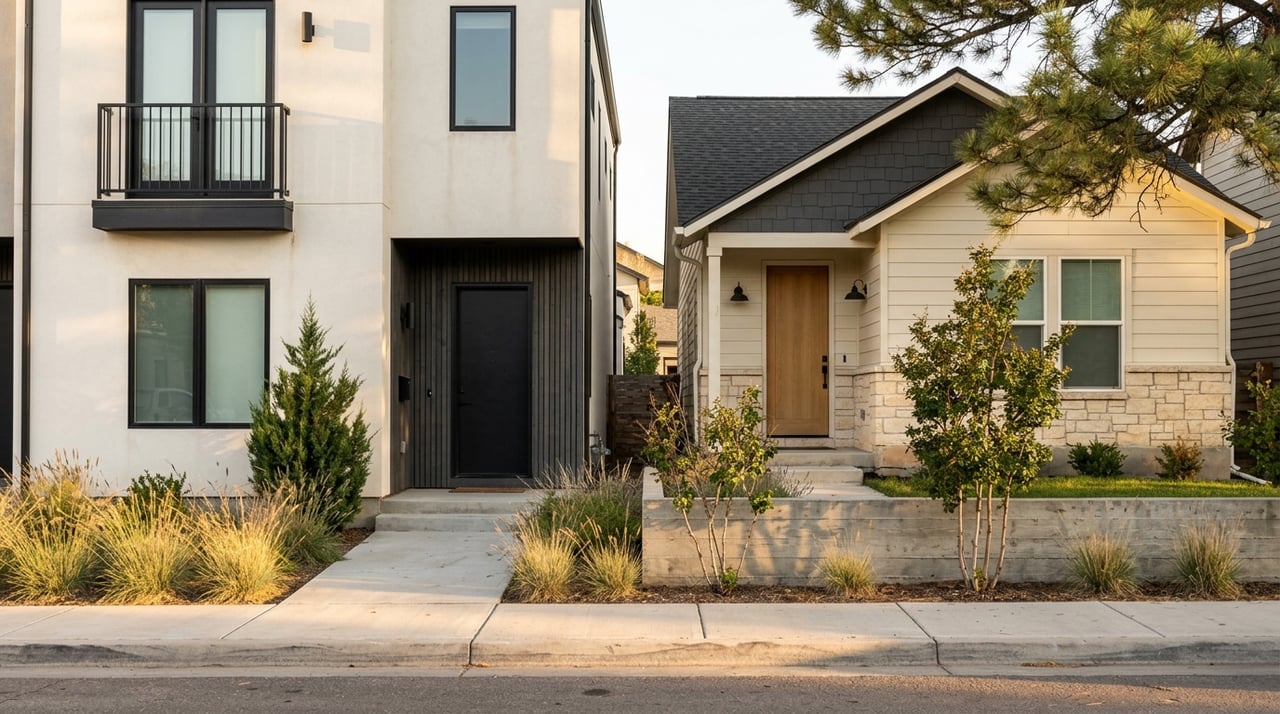
Boulder’s housing inventory spans decades, and local policy has influenced how that stock has been preserved, updated, or reimagined. Homes here often reflect the era in which they were built, layered with later improvements that must meet current codes.
Common home types
-
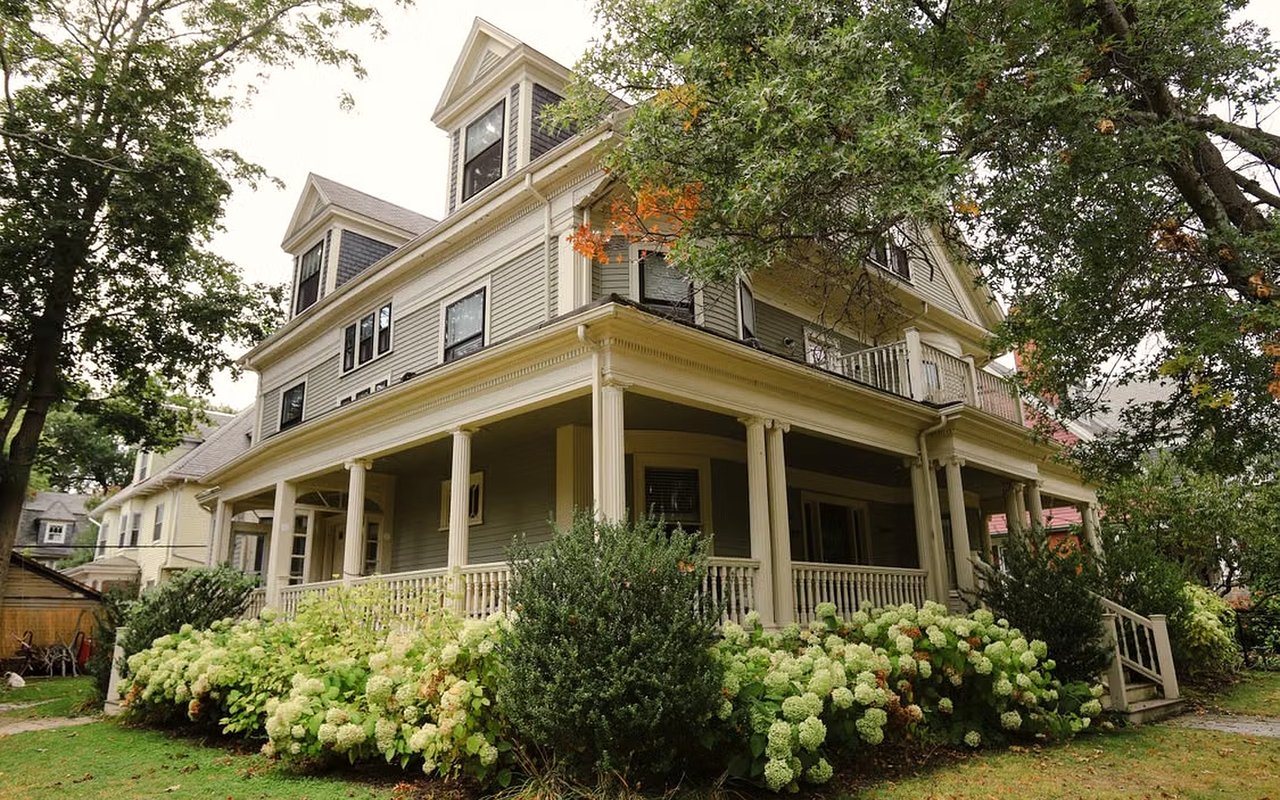
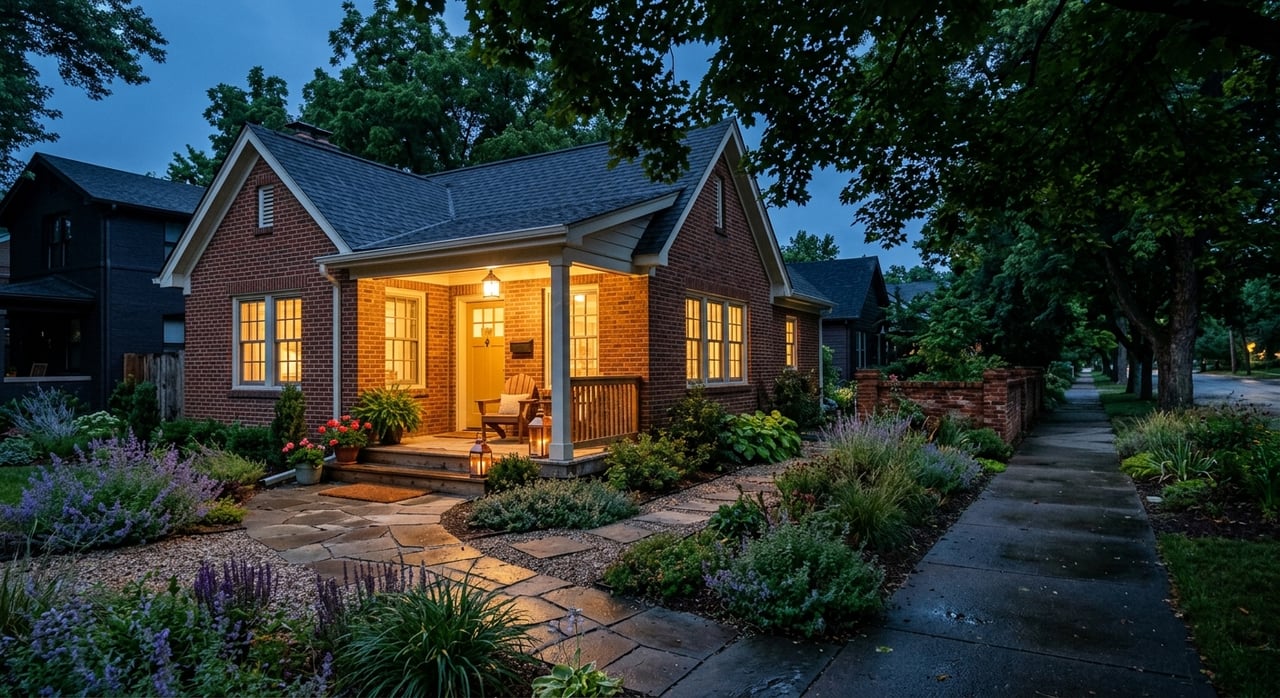
Early 20th-century residences near Pearl Street
-
Post-war subdivisions in South Boulder
-
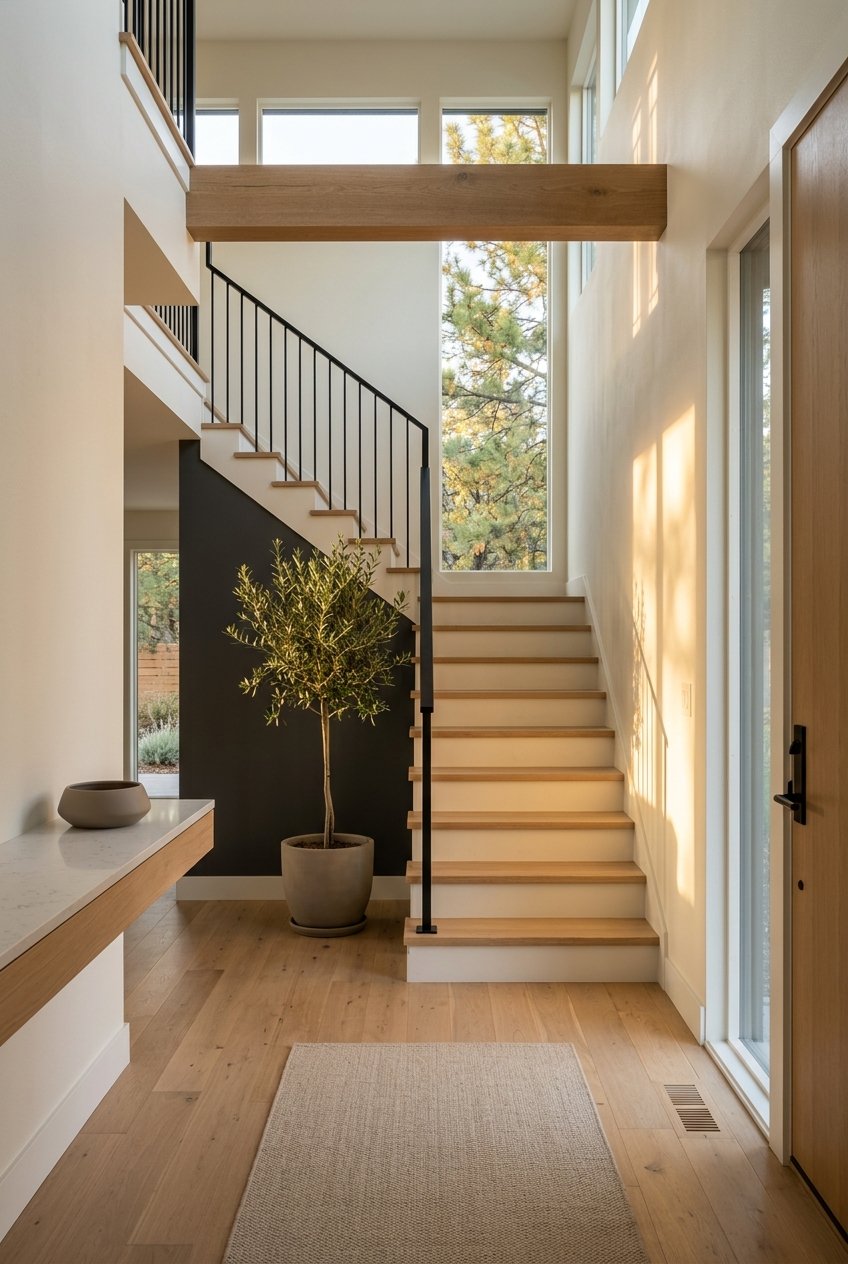
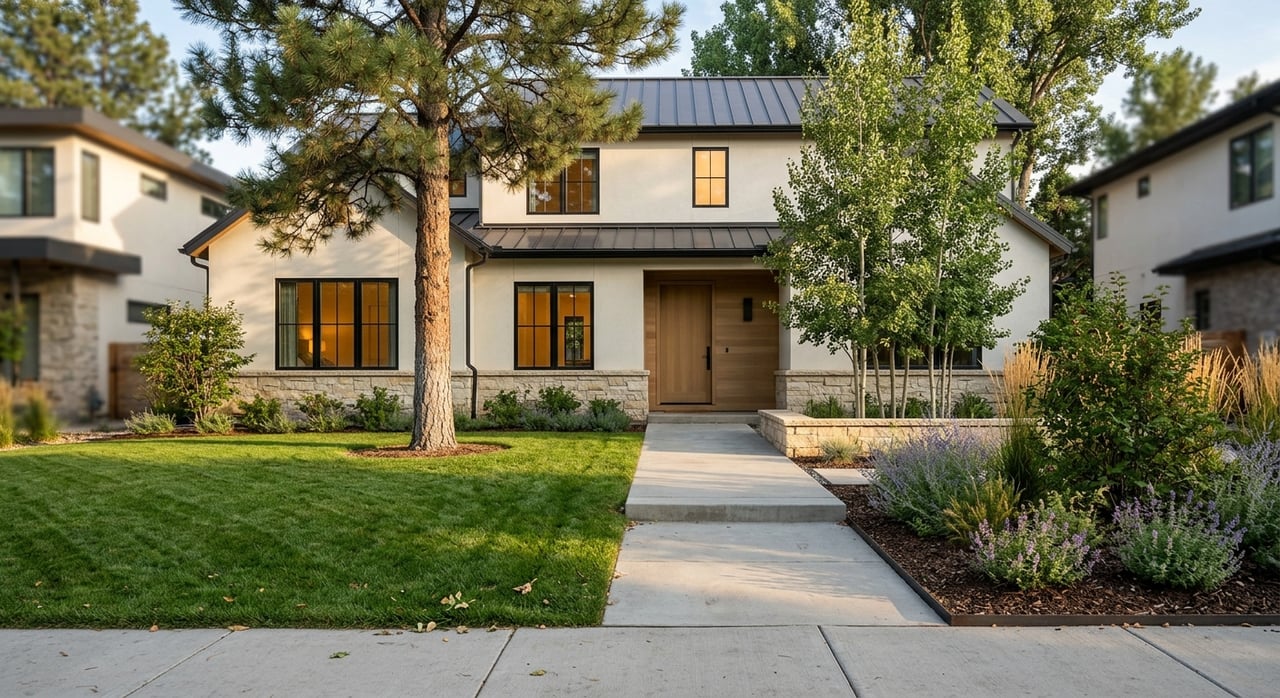
Modern builds shaped by energy codes
This variety allows buyers to choose between historic character, mid-century simplicity, or contemporary efficiency, all within a relatively compact city footprint.
Relationship Between Open Space and Home Value
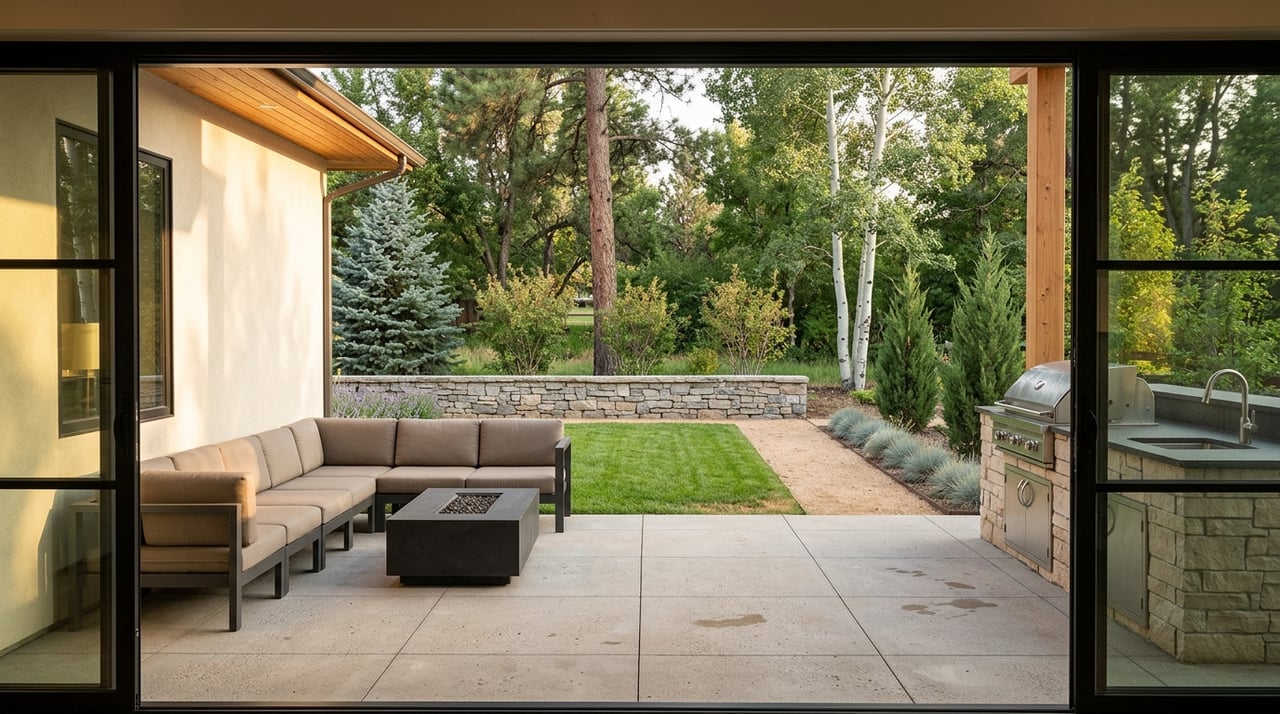
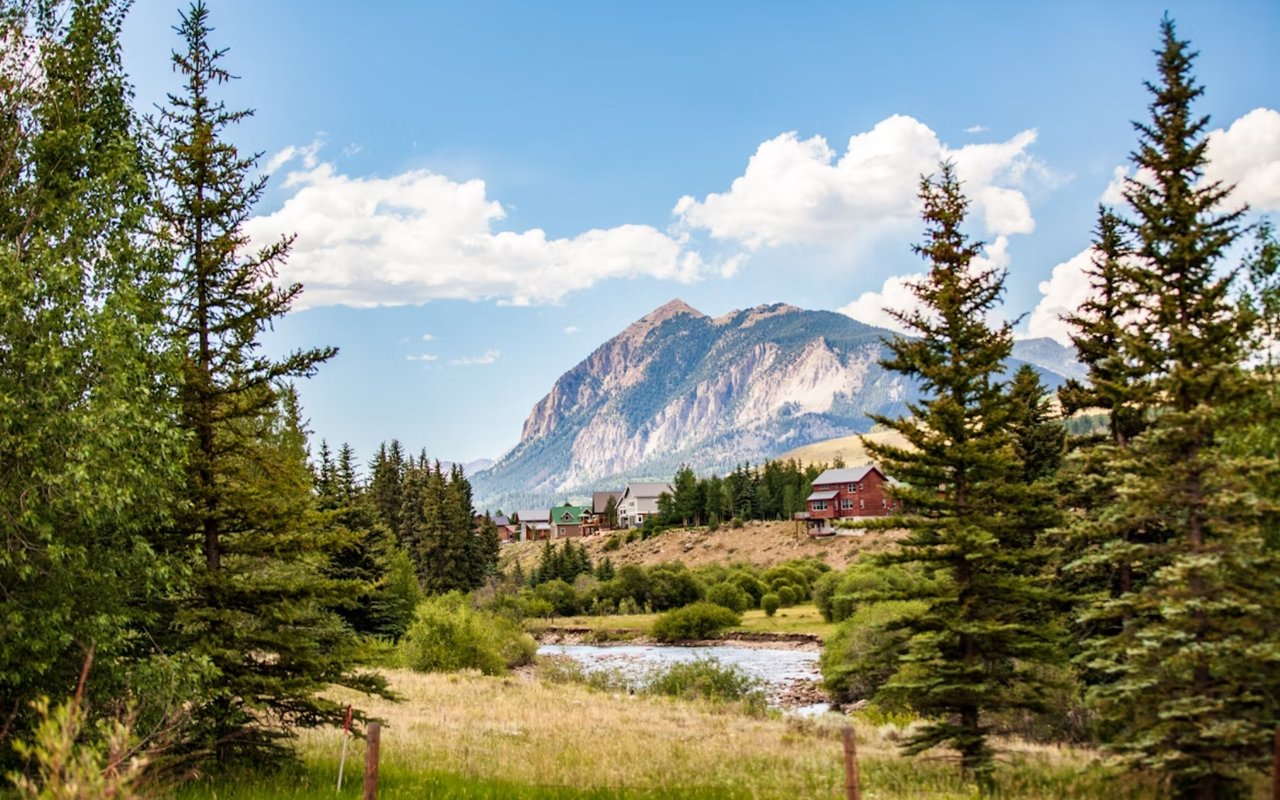
Open space in Boulder is not an amenity added later; it is a foundational element of the city's planning. Residential areas often border protected land, trails, or greenbelts, which shapes both daily routines and long-term property appeal.
Why this matters for real estate
-
Trail adjacency: Impacts buyer interest
-
Permanent greenbelts: Limit future development
-
Protected viewsheds: Preserve neighborhood character
These features directly influence demand and reinforce what makes Boulder special when evaluating long-term value.
Proximity Without Overcrowding
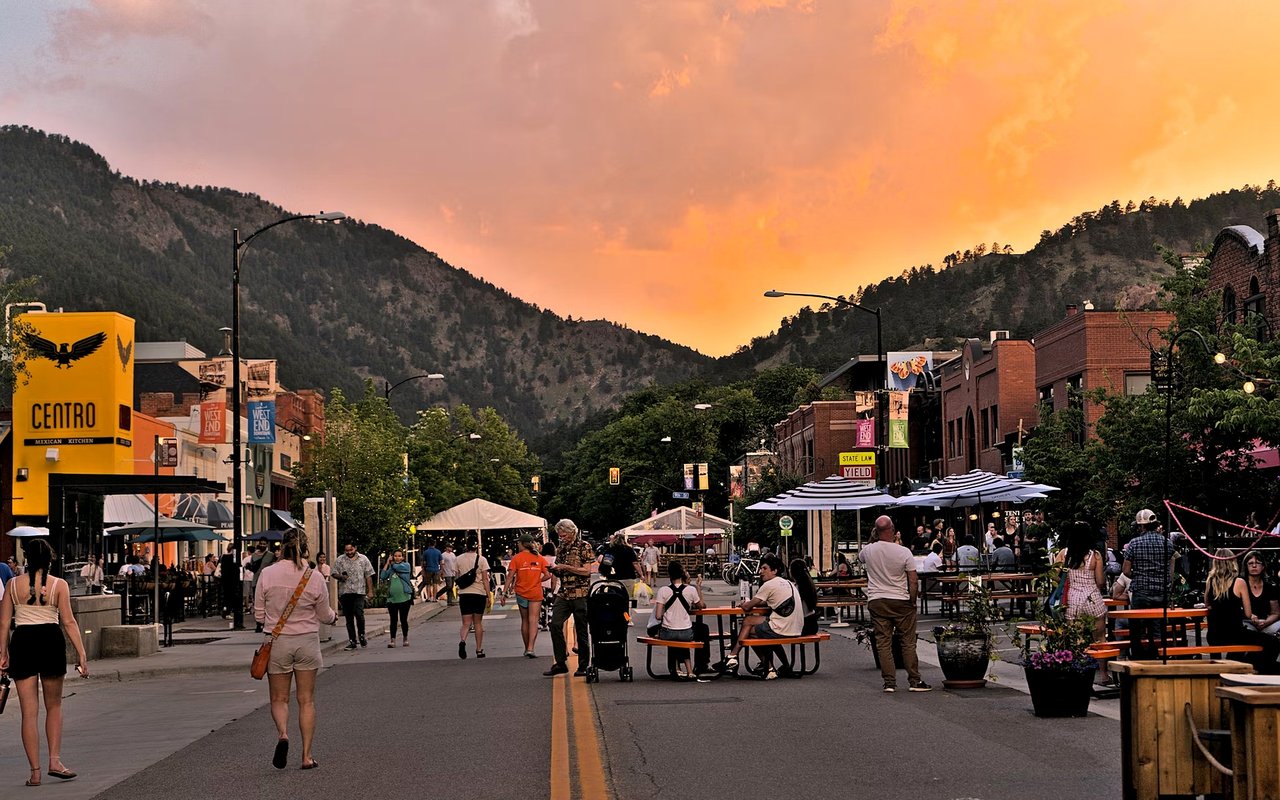
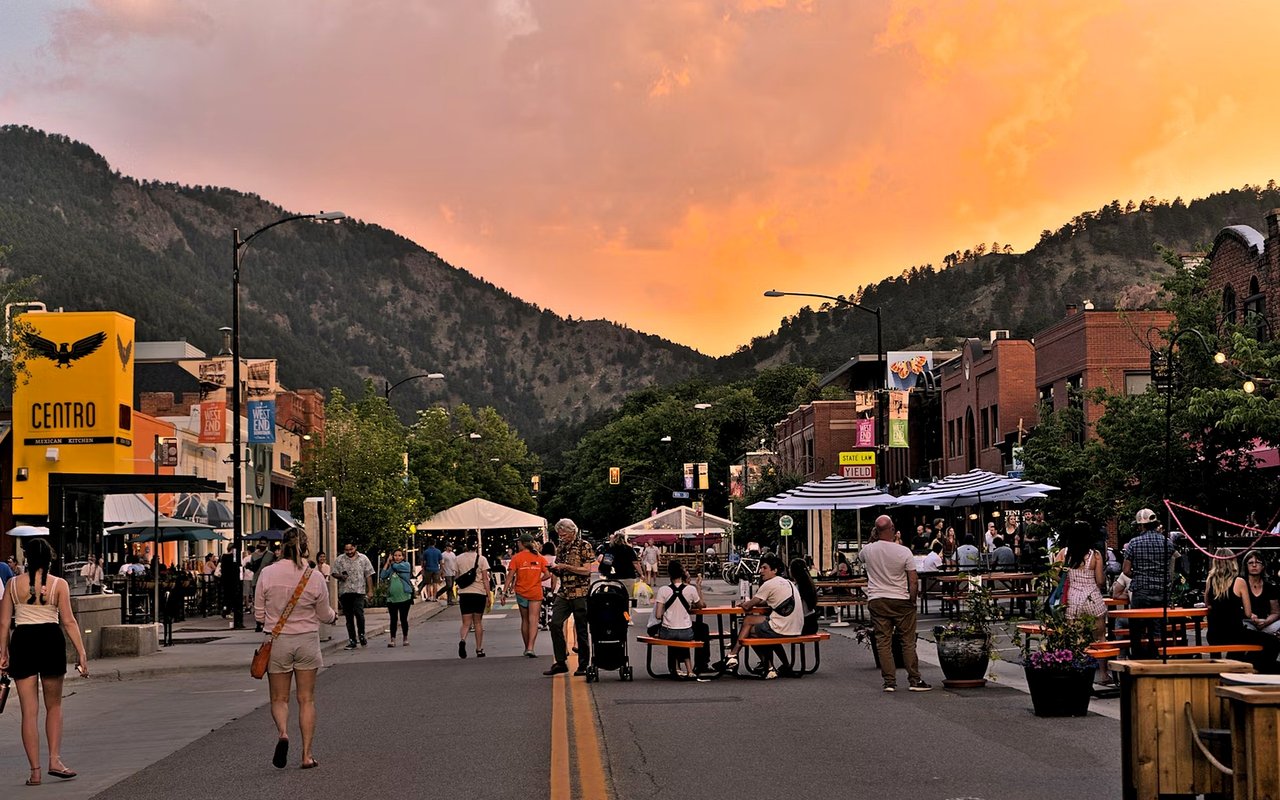
Boulder balances access to amenities with a residential scale that avoids congestion in most neighborhoods. Commercial districts are clearly defined, allowing housing areas to maintain quieter street patterns and consistent use.
Residential advantages
-
Walkable centers like downtown and North Boulder
-
Short commutes within city limits
-
Clear transitions between residential and commercial zones
This balance is another reason Boulder is special and continues to attract buyers looking for convenience without density.
Redevelopment with Guardrails
Change happens in Boulder, but it occurs within defined parameters that prioritize neighborhood compatibility. Buyers considering updates or expansions need to understand these guardrails early in the process.
What buyers should know
-
Height restrictions
-
Design review processes
-
Neighborhood compatibility standards
These rules protect the broader character that makes Boulder special.
How Outdoor Access Shapes Daily Living
Residential life in Boulder often revolves around access points rather than destinations. Trailheads, bike paths, and neighborhood parks are integrated into daily routines.
Examples
-
Trailheads embedded in neighborhoods
-
Bike routes connecting housing clusters
-
Parks integrated into subdivisions
This connectivity affects how residents move through the city and choose where to live.
Boulder’s Appeal for Primary Residence Buyers
Most buyers in Boulder are looking for a primary residence rather than a short-term stay. That mindset shapes purchasing decisions and property use.
Typical motivations
-
Lifestyle alignment
-
Community continuity
-
Investment in place
This long-term orientation supports neighborhood cohesion.
Understanding Neighborhood-Specific Value
Value in Boulder is highly localized, often varying street by street. Small differences in location can have meaningful impacts on desirability.
Influencing factors
-
Proximity to open space
-
Street orientation and lot size
-
Renovation history
Evaluating these details is essential for informed decision-making.
FAQs
What makes Boulder special compared to other Front Range cities?
Its growth boundaries, preserved open space, and neighborhood consistency set it apart.
Are most homes older or newer?
The majority of housing stock dates back several decades, with updates varying by neighborhood.
Is remodeling common in Boulder?
Yes, but projects must comply with detailed local regulations.
Contact Jennifer Stuckey Today
Buying or selling a home in Boulder requires an understanding of land use, neighborhood character, and long-term planning policies. Each block can carry different implications for future value and livability.
Reach out to me, Jennifer Stuckey, to talk through what makes Boulder special from a real estate perspective.
Reach out to me, Jennifer Stuckey, to talk through what makes Boulder special from a real estate perspective.