By Jennifer Stuckey
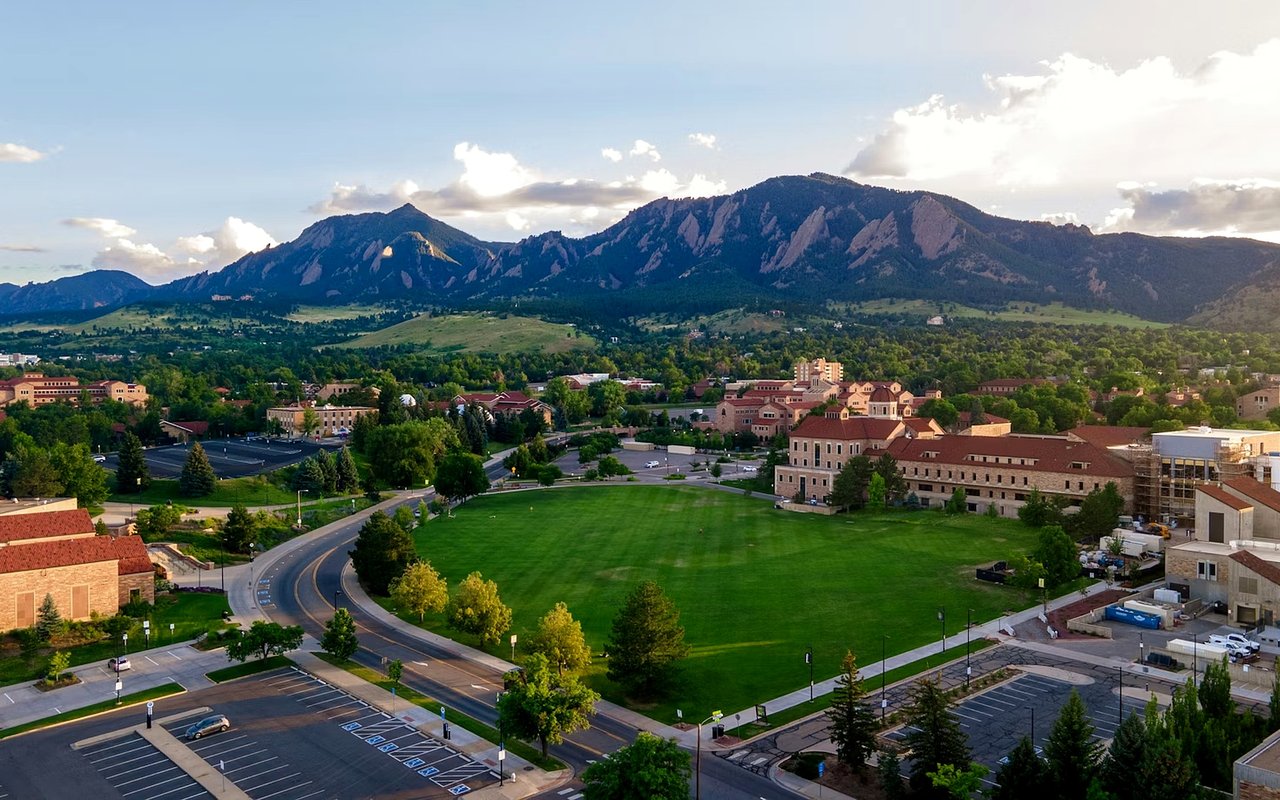
Buying a home in Boulder is one of the most exciting decisions you can make. The city sits at a rare intersection of outdoor lifestyle, intellectual energy, and a housing market that consistently attracts serious buyers from across the country. But no matter how much you love a property the moment you walk through the door, skipping or rushing the home inspection process can turn your dream purchase into a very expensive lesson.
A home inspection is your single best opportunity to understand exactly what you're buying before you commit. It pulls back the curtain on everything from the foundation to the roof, giving you real, actionable information about the condition of the property. In a competitive market like Boulder, where buyers sometimes feel pressure to move quickly, knowing how to navigate the inspection process strategically is essential.
This guide will walk you through everything you need to know about getting a home inspection in Boulder: what inspectors look for and how to use the results to your advantage.
Key Takeaways
-
A home inspection is a critical step in any Boulder home purchase, regardless of a property's age or listing price.
-
Boulder's elevation, geology, and older housing stock create specific inspection considerations that buyers should understand going in.
-
Inspection results are a negotiating tool, not a reason to panic.
-
Certain property types may warrant additional specialty inspections.
What a Home Inspection Actually Covers
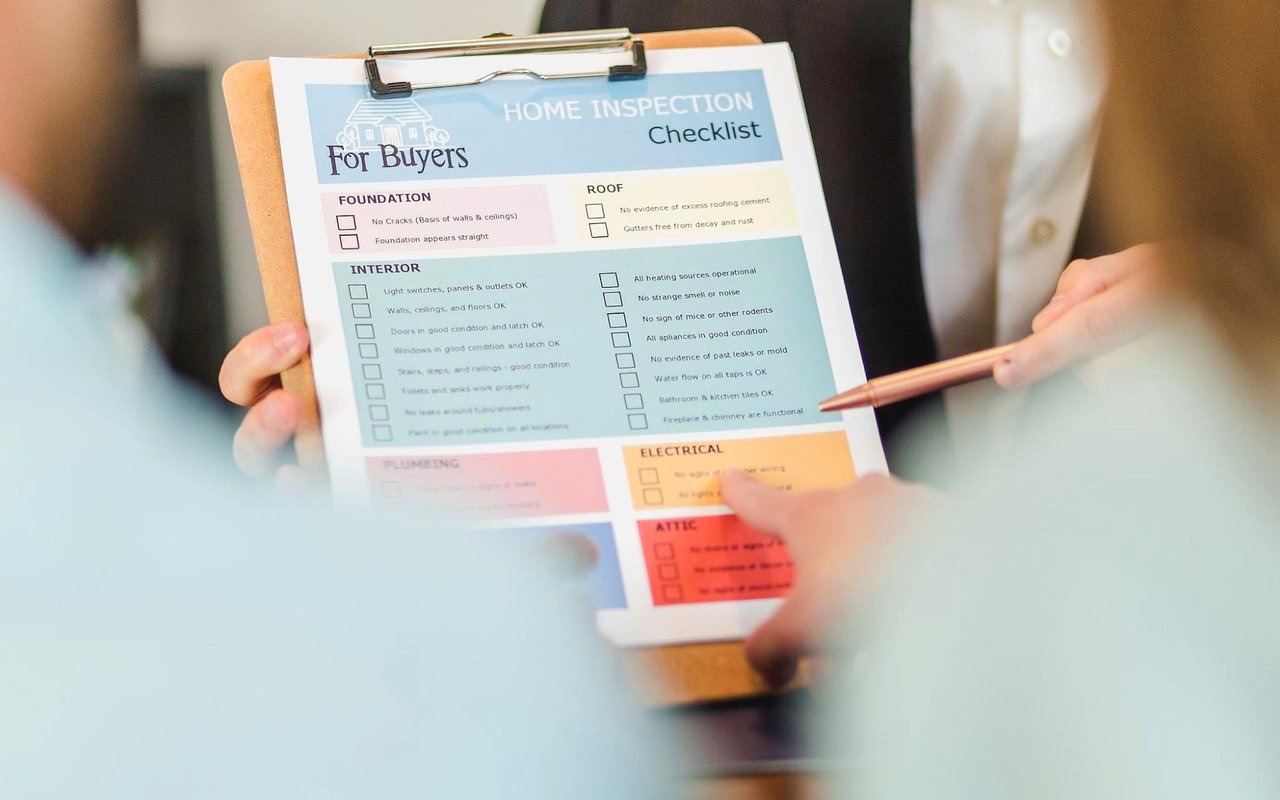
A standard home inspection is a visual, non-invasive examination of a property's major systems and structural components. It is not a pass/fail test, and it doesn't guarantee that nothing will ever go wrong. What it does give you is a clear snapshot of the home's current condition, documented in a detailed report you can review, share, and use in negotiations.
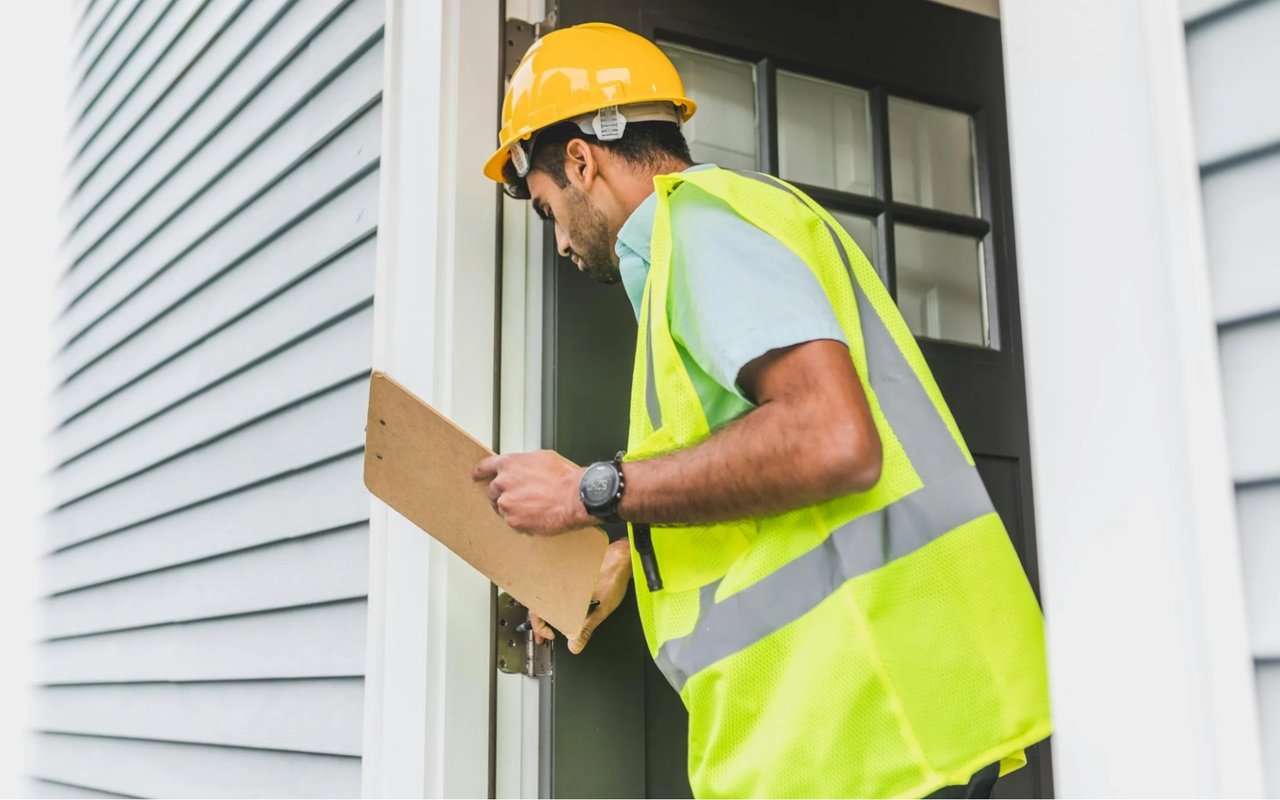
During a typical inspection, a licensed inspector will move through the property systematically, evaluating everything that is accessible and visible. This includes the roof, exterior walls, grading and drainage, foundation, attic, insulation, ceiling, walls, floors, windows, doors, the electrical system, plumbing, the HVAC system, and major appliances that come with the home. In Boulder, where many properties feature basements, crawl spaces, or even older mechanical systems, a thorough walk-through of these areas is especially important.
The inspection generally takes two to four hours, depending on the size, complexity, and age of the home. Most buyers attend in person, and doing so is strongly recommended. Walking through the property with the inspector in real time lets you ask questions as they come up and gives you a much better sense of the home's quirks than reading a report alone ever could.
During a typical inspection, a licensed inspector will move through the property systematically, evaluating everything that is accessible and visible. This includes the roof, exterior walls, grading and drainage, foundation, attic, insulation, ceiling, walls, floors, windows, doors, the electrical system, plumbing, the HVAC system, and major appliances that come with the home. In Boulder, where many properties feature basements, crawl spaces, or even older mechanical systems, a thorough walk-through of these areas is especially important.
The inspection generally takes two to four hours, depending on the size, complexity, and age of the home. Most buyers attend in person, and doing so is strongly recommended. Walking through the property with the inspector in real time lets you ask questions as they come up and gives you a much better sense of the home's quirks than reading a report alone ever could.
What the Inspector Evaluates
-
Roof condition, including flashing, gutters, and visible shingles or materials.
-
Foundation and structural elements, including any visible cracks, settlement, or moisture intrusion.
-
Electrical panel, wiring type, and visible outlets and fixtures.
-
Plumbing, including water pressure, visible pipes, water heater condition, and drain function.
-
HVAC systems, including the furnace, air conditioning equipment, ductwork, and filter condition.
-
Attic insulation and ventilation, which affect both energy efficiency and moisture management.
-
Windows and doors for operation, seals, and visible damage.
-
Basement or crawl space for moisture, structural issues, and mechanical components.
Boulder-Specific Considerations Every Buyer Should Know
Boulder isn't just any real estate market, and its properties come with characteristics you won't always find in other parts of the country. The city's elevation, soil composition, and older housing stock all play a role.
One significant consideration is Colorado's expansive soils. Much of the Front Range sits on bentonite clay, a type of soil that swells dramatically when wet and shrinks when dry. This natural cycle can put substantial stress on foundations over time, and it's one of the most common contributors to foundation movement in the area. A knowledgeable inspector will know exactly what to look for and can tell you whether any movement they observe appears stable or is an indication of ongoing shifting.
Radon is another factor that's particularly relevant in Colorado. The state has some of the highest radon concentrations in the country, and Boulder sits in a zone where elevated levels are common. Radon testing is often performed as an add-on to a standard home inspection. If levels come back high, mitigation systems are a well-understood fix, but you want to know before you close.
One significant consideration is Colorado's expansive soils. Much of the Front Range sits on bentonite clay, a type of soil that swells dramatically when wet and shrinks when dry. This natural cycle can put substantial stress on foundations over time, and it's one of the most common contributors to foundation movement in the area. A knowledgeable inspector will know exactly what to look for and can tell you whether any movement they observe appears stable or is an indication of ongoing shifting.
Radon is another factor that's particularly relevant in Colorado. The state has some of the highest radon concentrations in the country, and Boulder sits in a zone where elevated levels are common. Radon testing is often performed as an add-on to a standard home inspection. If levels come back high, mitigation systems are a well-understood fix, but you want to know before you close.
Additional Inspections Worth Considering in Boulder
-
Radon testing, which should be standard practice for any Boulder home purchase.
-
Sewer scope inspection to check the condition of the lateral line between the home and city connection, especially in older neighborhoods.
-
Structural engineer consultation if the standard inspection reveals significant foundation concerns.
-
Mold testing if the inspector notes any evidence of moisture intrusion, particularly in basements or crawl spaces.
-
Asbestos testing for homes built before the late 1970s, where older materials may still be present.
Leveraging Inspection Results To Your Advantage
Receiving an inspection report full of items can feel alarming at first, but it's important to keep things in perspective. The goal isn't a perfect report; it's a complete picture of what you're working with.
Once you have the report in hand, we’ll review it together. Items are categorized by severity, and learning to distinguish between deferred maintenance, systems nearing the end of their useful lifespan, and actual structural or safety concerns takes some practice. As your agent, I can help you understand which items are typical for a home of this age and which ones are worth pushing back on.
The inspection contingency in your purchase contract is what protects you during this phase. It gives you a defined period, typically seven to ten days, to complete inspections and decide whether to move forward, negotiate further, or walk away.
Once you have the report in hand, we’ll review it together. Items are categorized by severity, and learning to distinguish between deferred maintenance, systems nearing the end of their useful lifespan, and actual structural or safety concerns takes some practice. As your agent, I can help you understand which items are typical for a home of this age and which ones are worth pushing back on.
The inspection contingency in your purchase contract is what protects you during this phase. It gives you a defined period, typically seven to ten days, to complete inspections and decide whether to move forward, negotiate further, or walk away.
How To Respond to Inspection Findings
-
Prioritize items that affect health, safety, or the structural integrity of the home.
-
Request repairs or a closing credit for major systems that are at or near the end of their expected lifespan.
-
Get contractor estimates before making large repair requests so that your ask is grounded in real numbers.
-
Know your walk-away number before you sit down to negotiate so you're not making decisions under pressure.
FAQs
Can I Skip the Home Inspection in a Competitive-Offer Situation?
Waiving the inspection contingency is one way that some buyers try to make their offers more attractive in a competitive market, but it comes with risk. If you choose to waive the contingency, you're accepting the property in its current condition. Some buyers instead opt for a pre-offer inspection when sellers permit it, which allows you to go in informed without making your offer contingent.
What Happens if the Inspector Finds Major Issues?
Finding a major issue in the inspection report doesn't necessarily mean that the deal falls apart. Most of the time, buyers and sellers negotiate a resolution; this might mean that the seller makes certain repairs before closing, offers a price reduction, or provides a credit at closing that you can put toward the updates. I will help you determine what's reasonable to ask for and how to frame the request.
How Long Does a Home Inspection Take in Boulder?
Most inspections take two to three hours for an average-sized home. Larger properties, homes with multiple outbuildings, or older properties with more complex systems can take longer. Plan to be present for the full inspection if possible.
Make Your Boulder Home Purchase With Confidence
Understanding the home inspection process before you start your search puts you in a stronger position as a buyer. You'll know what questions to ask, what to look for, and how to use the results to make informed decisions rather than reactive ones.
If you're ready to explore homes for sale in Boulder, reach out to me, Jennifer Stuckey. I can walk you through the full process, connect you with trusted local inspectors, and help you navigate every step from offer to close.
If you're ready to explore homes for sale in Boulder, reach out to me, Jennifer Stuckey. I can walk you through the full process, connect you with trusted local inspectors, and help you navigate every step from offer to close.