Investing in Boulder CO Real Estate: 2026 Guide
Explore why Boulder remains one of the nation's most resilient real estate markets. Analyze student rental yields, geographic supply constraints, and historical appreciation drivers.
Boulder Real Estate Investment Quick Reference
Why Invest in Boulder Real Estate?
Investment Property Type | Target Location / Neighborhood | Primary ROI Driver | Investment Profile & Strategy |
|---|---|---|---|
Student Rentals (Condos/Townhomes) | The Hill, University Hill, Baseline Corridor | Consistent yield from CU Boulder students | Active management, lower entry price, highly reliable occupancy |
Single-Family Homes | North Boulder, Mapleton Hill, Newlands | Long-term historical equity appreciation | High entry cost, lower yield, minimal turnover, strong value retention |
Multi-Unit Properties (2-4 Units) | Pearl Street proximity, Central Boulder | Diversified rental streams & live-in potential | Optimal yield-to-appreciation balance; extremely tight inventory |
Tech Corridor Rentals | East Boulder, Gunbarrel | Stable professional tenant base (Tech/Biotech) | Accessible entry pricing, corporate tenant reliability |
Luxury Condominiums | Downtown Boulder, Flatirons Vista | Lifestyle premium & professional housing | Lower yield, premium price per sq/ft, low tenant turnover |
Boulder real estate is a strong investment in 2026 due to severe, permanent structural supply constraints. The city's Blue Line ordinance and the acquisition of over 45,000 acres of protected Open Space permanently cap new residential development. This geographic scarcity is compounded by massive, consistent rental demand generated by the University of Colorado Boulder (35,000+ enrollment) and a booming eastern tech/biotech corridor. For real estate investors, Boulder's market behaves differently than the broader Denver Metro, offering superior historical appreciation and localized tenant resilience that insulates properties from broader economic volatility.
Boulder's Inventory Moves Fast. Access is Your Advantage.
Because Boulder's residential supply is permanently capped, prime investment properties-especially legal multi-unit rentals and compliant student housing-often trade before hitting the open market. Jennifer Stuckey helps investors identify properties that match their yield goals and navigate Boulder's complex local regulations.
The Core Investment Thesis: Structural Scarcity
By Jennifer Stuckey
Most real estate markets promise appreciation but deliver cyclical volatility. Boulder is different because its supply constraint is structural and permanent. The Blue Line, established in 1959, defines the city's service area boundary and effectively prevents residential development on the hillsides above it. Combined with the city and county's acquisition of over 45,000 acres of permanent open space, Boulder's residential land supply is effectively fixed.
The result: every new person who wants to live in Boulder must compete for existing inventory. Demand from CU Boulder's students, the tech and biotech employers on the east side of town, and buyers drawn by the outdoor lifestyle consistently outpaces what the market can supply. This dynamic has sustained appreciation through the 2008 financial crisis, the 2020 COVID period, and every rate cycle in between.
What Sustains Boulder's Real Estate Demand?
University of Colorado Boulder (CU)
CU Boulder's massive enrollment creates a permanent, predictable base of rental demand. Unlike market-driven demand that fluctuates with economic conditions, university enrollment has grown consistently. Investment properties located within walking distance of campus (such as University Hill) experience some of the lowest vacancy rates in Colorado, regardless of broader market conditions.
Tech and Biotech Employment Hub
Boulder hosts a dense concentration of technology, aerospace, and biotech employers, including major campuses for Google, IBM, Ball Aerospace, and a massive startup ecosystem. This professional workforce drives demand for quality housing across all price points and provides an exceptionally reliable tenant base with the income to support Boulder's premium rents.
Lifestyle as a Permanent Driver
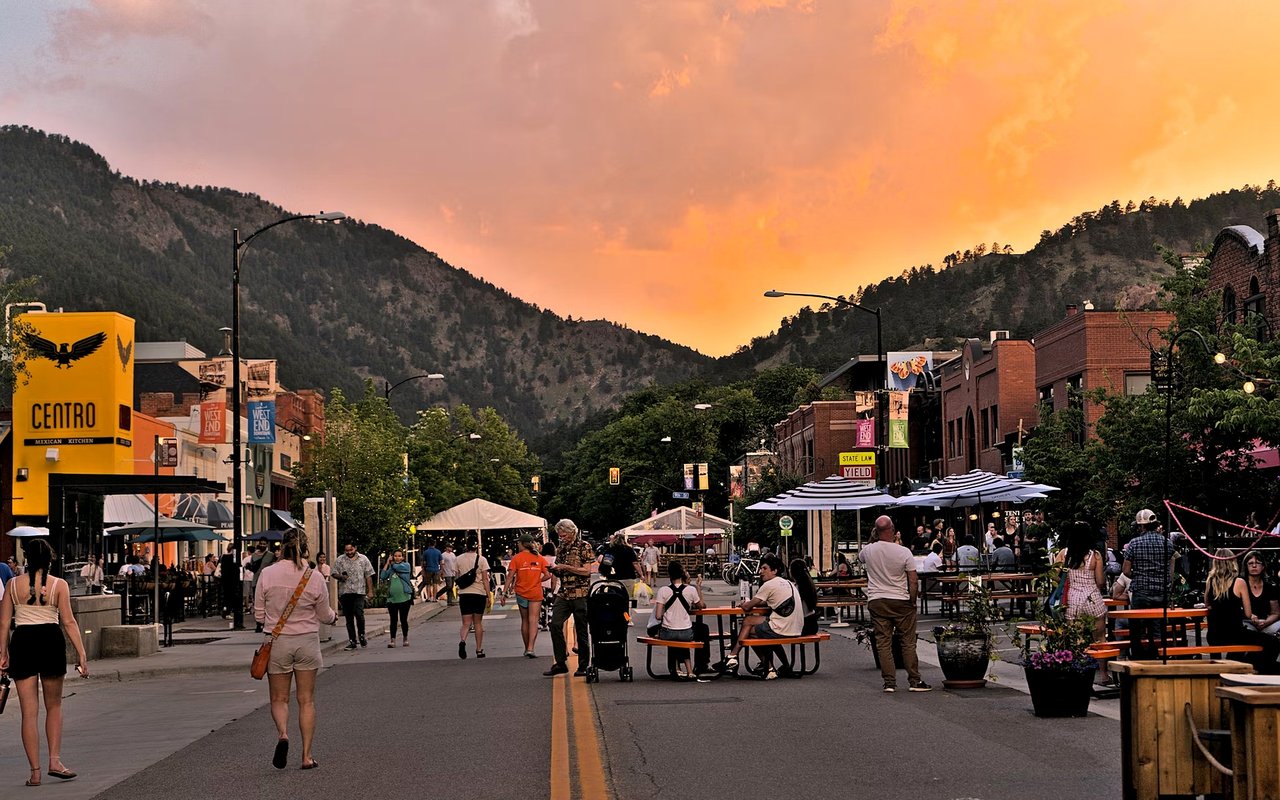
Boulder's world-renowned outdoor access-the Flatirons, Chautauqua Park, over 155 miles of hiking and biking trails, and proximity to Front Range ski areas-creates demand that persists independently of economic cycles. People actively choose Boulder for its lifestyle, meaning the buyer and renter pools are highly motivated and self-selecting.
Critical Investor Insight: SmartRegs & Occupancy Limits
Boulder investors must navigate strict local regulations. SmartRegs requires all rental properties to meet specific energy efficiency standards before a rental license is issued. Additionally, Boulder historically enforced strict occupancy limits (often capping unrelated occupants at 3 or 4 per dwelling), though these rules are subject to ongoing municipal revision. Always verify a property's zoning, rental license status, and SmartRegs compliance prior to closing.
Investment Risks to Price In
While the fundamentals are incredibly strong, investing in Boulder requires capital preparation and regulatory awareness:
- High Entry Price: Boulder consistently ranks among the most expensive residential markets in Colorado. Yield calculations require careful modeling; for many investors, long-term appreciation is the stronger play than immediate monthly cash flow.
- Short-Term Rental (STR) Restrictions: Boulder heavily regulates Airbnbs and VRBOs, generally limiting short-term rentals to owner-occupied primary residences with a formal permit. Never model STR income without verifying current municipal permit eligibility for that specific address.
- Property Taxes: Boulder County property taxes reflect the high asset values. Ensure your ROI models reflect current mill levies.
Frequently Asked Questions: Investing in Boulder Real Estate
What makes Boulder real estate a good investment?
Boulder's investment case rests on a structural supply constraint: the Blue Line service boundary and 45,000+ acres of permanent open space cap new development. Combined with consistent rental demand from CU Boulder's 35,000+ students and a high-income tech workforce, Boulder's market has appreciated reliably through major economic cycles.
How do I start investing in Boulder Colorado real estate?
Common starting points include: (1) Condos/townhomes near CU Boulder for student rental income, (2) Single-family homes in North Boulder for long-term equity appreciation, or (3) Properties in East Boulder/Gunbarrel for more accessible entry prices targeting tech professionals. Always verify SmartRegs compliance and rental licensing before purchasing.
What types of properties offer the best rental returns in Boulder?
Condos and townhomes within walking distance of CU Boulder (The Hill, Baseline) consistently deliver the strongest rental yields due to high student demand. Multi-unit properties (2-4 units) near Pearl Street offer the best yield-to-appreciation balance but are extremely difficult to find due to tight inventory.
Can I buy an investment property in Boulder for Airbnb?
It is very difficult. Boulder heavily regulates short-term rentals (STRs), generally restricting them to owner-occupied primary residences that hold a specific municipal permit. Investors should model long-term rental income rather than Airbnb revenue unless purchasing a uniquely zoned commercial/hospitality asset.
Is it a good time to invest in Boulder real estate in 2026?
Because Boulder's supply constraint is permanent, the investment thesis relies on time-in-market rather than market timing. While high entry prices and interest rates impact immediate cash flow yields, the fundamental scarcity of Boulder dirt ensures strong long-term equity protection. The best time to buy is when a compliant, cash-flowing property becomes available.
Strategic Real Estate Advisory with Jennifer Stuckey
Jennifer Stuckey has in-depth knowledge of the Boulder real estate market and specializes in helping buyers and investors identify high-performing properties across Boulder, Westminster, and the NW Front Range corridor. With proven negotiation skills and a true passion for helping clients achieve exceptional results, she is a dedicated partner for navigating Boulder's complex regulatory environment.