By Jennifer Stuckey
Buying your first home is one of life’s most exciting — and sometimes overwhelming — milestones. If you’re like most first-time buyers, you probably have a long list of questions, plenty of excitement, and a healthy dose of nerves as you imagine yourself unlocking the front door to your very own place. With so many moving parts, details, and financial terms, it’s easy to feel lost before you even start touring properties.
The good news? You’re not alone, and you don’t have to figure it all out by yourself. Whether you’re browsing online listings every night or just starting to wonder what the process actually involves, this guide gives you every tool you need for your first purchase. From understanding financing options to knowing what to look for, you’ll learn what matters most before you sign on the dotted line.
Before you get swept away by open houses and tours, take a step back and equip yourself with the knowledge and strategies that help you avoid common pitfalls. You want to feel empowered, confident, and fully informed — ready to make one of the biggest investments of your life. This toolkit is your roadmap from the first spark of interest to that all-important signature.
Key Takeaways
- You’ll learn every essential step to buy your first home.
- Find out how to prepare financially.
- Get familiar with the paperwork, professionals, and terms you’ll encounter.
- Pick up tips for a smooth, successful buying experience.
Getting Your Finances Ready for a Home Purchase
When it comes to buying your first home, the financial aspect is often the most daunting. Before you even set foot in a property, understanding your financial position is the first — and most crucial — step.
Lenders will want to know your credit score, your debt-to-income ratio, and your employment history. This is why pulling your credit report, checking for errors, and paying down existing debts is so important before you apply for pre-approval.
Building up your savings is another key part of preparation. While you may have heard about the traditional 20% down payment, today’s buyers have many options; some loans require as little as 3% down, though putting down more can lead to better loan terms and lower monthly payments.
Understanding how much you can afford helps narrow down your search and prevent disappointment. Use an online mortgage calculator to play around with different price points, interest rates, and loan types. Knowing your limits up front means you won’t fall in love with a home that stretches your finances too thin. It’s all about creating a comfortable monthly payment that leaves room for savings and unexpected expenses.
Lenders will want to know your credit score, your debt-to-income ratio, and your employment history. This is why pulling your credit report, checking for errors, and paying down existing debts is so important before you apply for pre-approval.
Building up your savings is another key part of preparation. While you may have heard about the traditional 20% down payment, today’s buyers have many options; some loans require as little as 3% down, though putting down more can lead to better loan terms and lower monthly payments.
Understanding how much you can afford helps narrow down your search and prevent disappointment. Use an online mortgage calculator to play around with different price points, interest rates, and loan types. Knowing your limits up front means you won’t fall in love with a home that stretches your finances too thin. It’s all about creating a comfortable monthly payment that leaves room for savings and unexpected expenses.
Financial Preparation Checklist
- Review your credit report and correct any errors.
- Pay off high-interest debts where possible.
- Build savings for a down payment and closing costs.
- Use a mortgage calculator to set a realistic price range.
- Gather documents: tax returns, pay stubs, bank statements.
- Research different mortgage types and lenders.
Understanding the Mortgage Pre-Approval Process
Once you’ve put your finances in order, getting pre-approved for a mortgage is the next major step. A pre-approval is more than a quick estimate; it’s a formal letter from a lender stating how much you’re qualified to borrow based on your income, assets, and credit. Sellers take buyers with pre-approvals seriously because it signals you’re ready and able to make a purchase.
To get pre-approved, you’ll provide detailed information about your finances and consent to a credit check. Lenders will look at your income, assets, employment, and any outstanding debts. Once they review your application, you’ll receive a pre-approval letter indicating your maximum loan amount and the interest rate you can expect. This not only gives you a clear budget but also strengthens your position when making an offer.
Keep in mind, pre-approval doesn’t lock you into a lender or commit you to a purchase. It simply helps you understand what you can afford and shows sellers you’re a credible buyer. Your actual mortgage terms will be finalized after you choose a home and go through underwriting, but pre-approval is a valuable step in the early stages of your search.
To get pre-approved, you’ll provide detailed information about your finances and consent to a credit check. Lenders will look at your income, assets, employment, and any outstanding debts. Once they review your application, you’ll receive a pre-approval letter indicating your maximum loan amount and the interest rate you can expect. This not only gives you a clear budget but also strengthens your position when making an offer.
Keep in mind, pre-approval doesn’t lock you into a lender or commit you to a purchase. It simply helps you understand what you can afford and shows sellers you’re a credible buyer. Your actual mortgage terms will be finalized after you choose a home and go through underwriting, but pre-approval is a valuable step in the early stages of your search.
Mortgage Pre-Approval Must-Knows
- Gather documents: W-2s, pay stubs, asset statements, and identification.
- Expect a credit check as part of the process.
- Pre-approval letters usually last for 60-90 days.
- You can get pre-approved by more than one lender to compare options.
Touring Homes and Knowing What to Look For
Touring homes is often the most enjoyable part of the process. While you’ll naturally be drawn to the style and layout, it’s important to look past the staging and consider the underlying condition of each property. Pay attention to big-ticket items, such as the roof, HVAC system, windows, and foundation. Cosmetic issues are usually easier to fix than structural or mechanical problems.
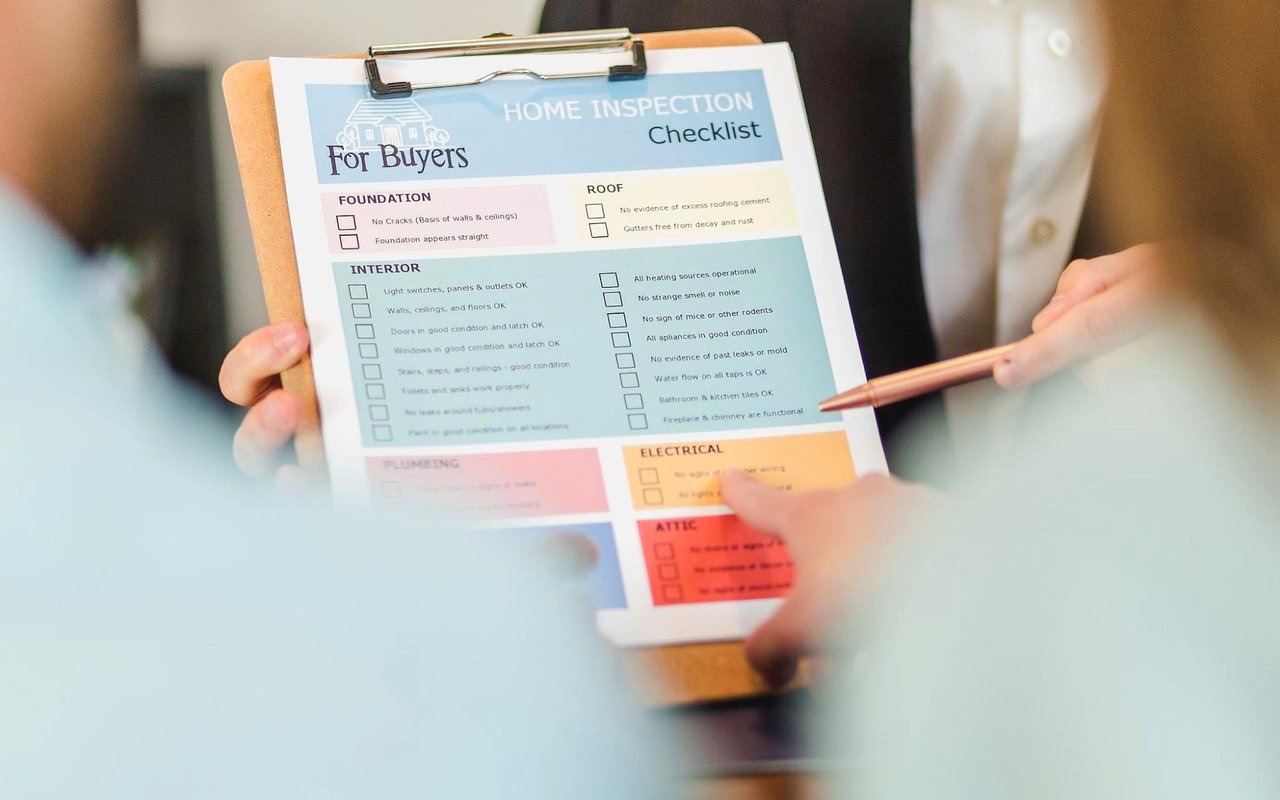
Bring a checklist with you and don’t hesitate to ask questions. Look for signs of water damage, check for working appliances, and test the light switches and plumbing fixtures. If possible, it’s helpful to take notes and photos during each tour to keep the properties straight in your mind.
Be realistic about what you can change easily and what might require extensive renovations. If you’re skilled with property enhancements, a fixer-upper could be a great opportunity, but if you want move-in ready, look for homes that meet your needs from day one.
Bring a checklist with you and don’t hesitate to ask questions. Look for signs of water damage, check for working appliances, and test the light switches and plumbing fixtures. If possible, it’s helpful to take notes and photos during each tour to keep the properties straight in your mind.
Be realistic about what you can change easily and what might require extensive renovations. If you’re skilled with property enhancements, a fixer-upper could be a great opportunity, but if you want move-in ready, look for homes that meet your needs from day one.
House Tour Tips
- Inspect major systems: roof, HVAC, plumbing, electrical.
- Check for water damage or visible repairs.
- Bring a checklist and take notes/photos.
- Look at the closets and storage space.
- Consider ease of future resale.
Making an Offer
When you find a home that feels right, it’s time to make an offer. Together, we’ll determine a competitive price point based on comparable sales, the home’s condition, and local market trends. Crafting the right offer is about more than just the purchase price; you’ll also consider contingencies, closing timelines, and seller concessions.
Once your offer is submitted, the seller may accept, reject, or counter it. Negotiation is an expected part of the process and may involve price adjustments, repairs, or other terms. Stay flexible and communicate openly throughout this stage. Remember, your offer isn’t binding until all parties sign the purchase agreement.
Once your offer is submitted, the seller may accept, reject, or counter it. Negotiation is an expected part of the process and may involve price adjustments, repairs, or other terms. Stay flexible and communicate openly throughout this stage. Remember, your offer isn’t binding until all parties sign the purchase agreement.
Offer and Negotiation Insights
- Compare recent sales for pricing guidance.
- Include contingencies for inspection and financing.
- Be ready for counteroffers or negotiation.
- Review all offer terms carefully before signing.
The Home Inspection and Appraisal Process
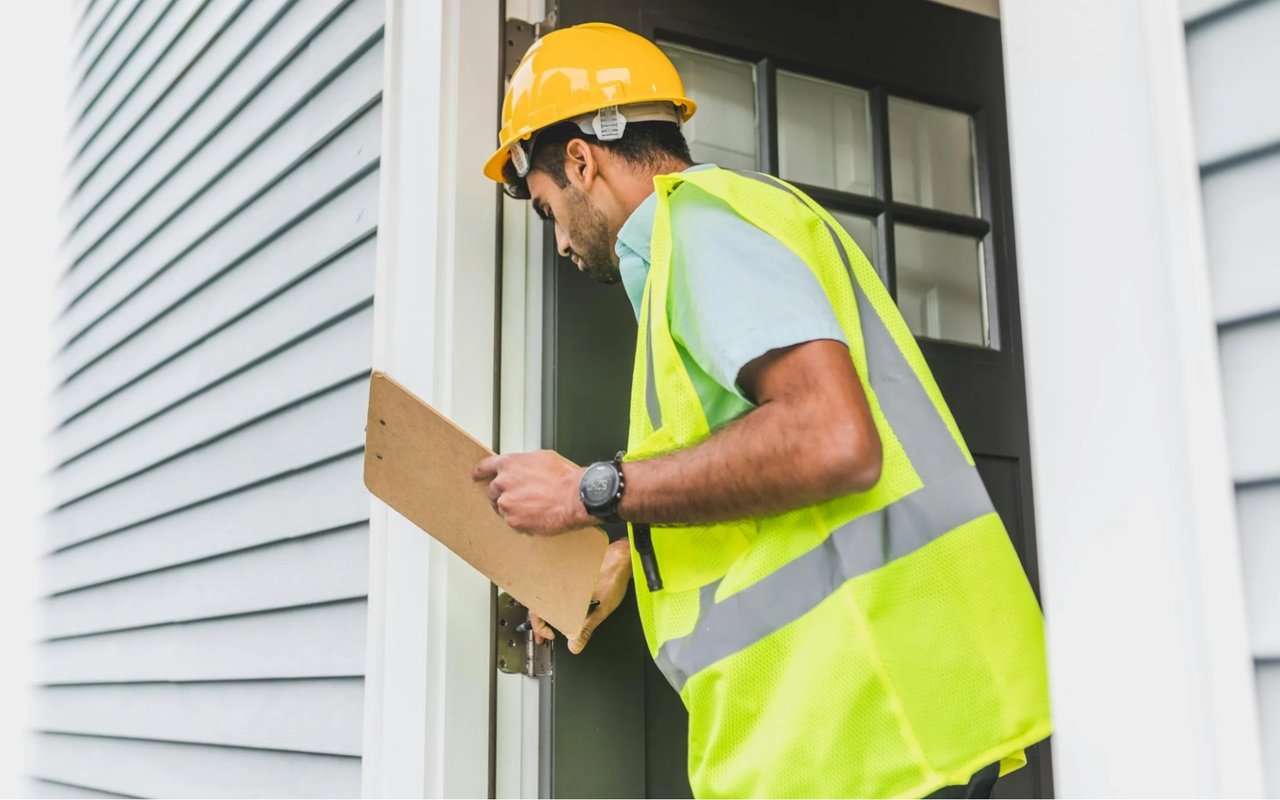
After your offer is accepted, you’ll move into a critical phase: the home inspection and appraisal. The inspection is your chance to hire a licensed professional who examines the property’s structure, systems, and overall condition. If significant issues are uncovered — like foundation cracks, roof problems, or plumbing concerns — you can negotiate repairs, a closing credit, or a price adjustment.
An appraisal, required by most lenders, confirms that the home is worth the price you’re paying. If the appraisal comes in lower than your offer, you may need to renegotiate with the seller, increase your down payment, or, in rare cases, cancel the contract.
Both the inspection and appraisal are essential protection steps. Even if a property looks perfect, you want to undergo a professional assessment to avoid expensive surprises after you move in.
An appraisal, required by most lenders, confirms that the home is worth the price you’re paying. If the appraisal comes in lower than your offer, you may need to renegotiate with the seller, increase your down payment, or, in rare cases, cancel the contract.
Both the inspection and appraisal are essential protection steps. Even if a property looks perfect, you want to undergo a professional assessment to avoid expensive surprises after you move in.
Inspection and Appraisal To-Do List
- Hire a licensed, reputable home inspector.
- Review the inspection report in detail.
- Negotiate repairs or credits if needed.
- Schedule and complete the lender’s appraisal.
Closing the Deal: What to Expect
The final step in your buying journey is the closing process. During this phase, all documents are signed, funds are transferred, and the home officially becomes yours. Plan to review a significant amount of paperwork, including your loan documents, closing disclosures, and the deed.
Before closing, you’ll receive a final settlement statement, which outlines every cost and fee involved. Review this document carefully and compare it to your loan estimate to make sure everything matches up.
Once all paperwork is signed and funds are disbursed, you’ll receive the keys to your new home. It’s a moment worth celebrating!
Before closing, you’ll receive a final settlement statement, which outlines every cost and fee involved. Review this document carefully and compare it to your loan estimate to make sure everything matches up.
Once all paperwork is signed and funds are disbursed, you’ll receive the keys to your new home. It’s a moment worth celebrating!
Closing Day Essentials
- Review the final settlement statement.
- Bring required identification and any funds needed.
- Sign all necessary documents.
FAQs
What Credit Score Do You Need to Buy a Home?
Most lenders require a minimum credit score of 620 for conventional loans, but some government-backed loans accept scores as low as 580. The higher your score, the better your interest rates and loan options.
How Much Should You Save for a Down Payment?
While 20% down is common, many first-time buyers qualify for loans with as little as 3% down. It’s wise to save extra for closing costs and potential repairs.
How Long Does the Buying Process Take?
From pre-approval to closing, buying a home usually takes 30-60 days, depending on your market, financing, and goals.
What Is a Contingency in a Home Purchase?
A contingency is a clause in your contract that allows you to back out if certain conditions aren’t met, such as securing financing or passing an inspection.
Open the Door to Your Future
You’re about to embark on one of the most rewarding journeys: buying your first home. With the right toolkit in hand, you can sidestep common pitfalls, make wise decisions, and feel confident in every choice you make.
Remember, preparation is your best friend. From understanding your finances to signing the final contract, each step brings you closer to your new front door.
Ready to make your Boulder home dreams a reality? Team up with me, Jennifer Stuckey, and let’s turn your goals into a success story.
Remember, preparation is your best friend. From understanding your finances to signing the final contract, each step brings you closer to your new front door.
Ready to make your Boulder home dreams a reality? Team up with me, Jennifer Stuckey, and let’s turn your goals into a success story.