By Jennifer Stuckey
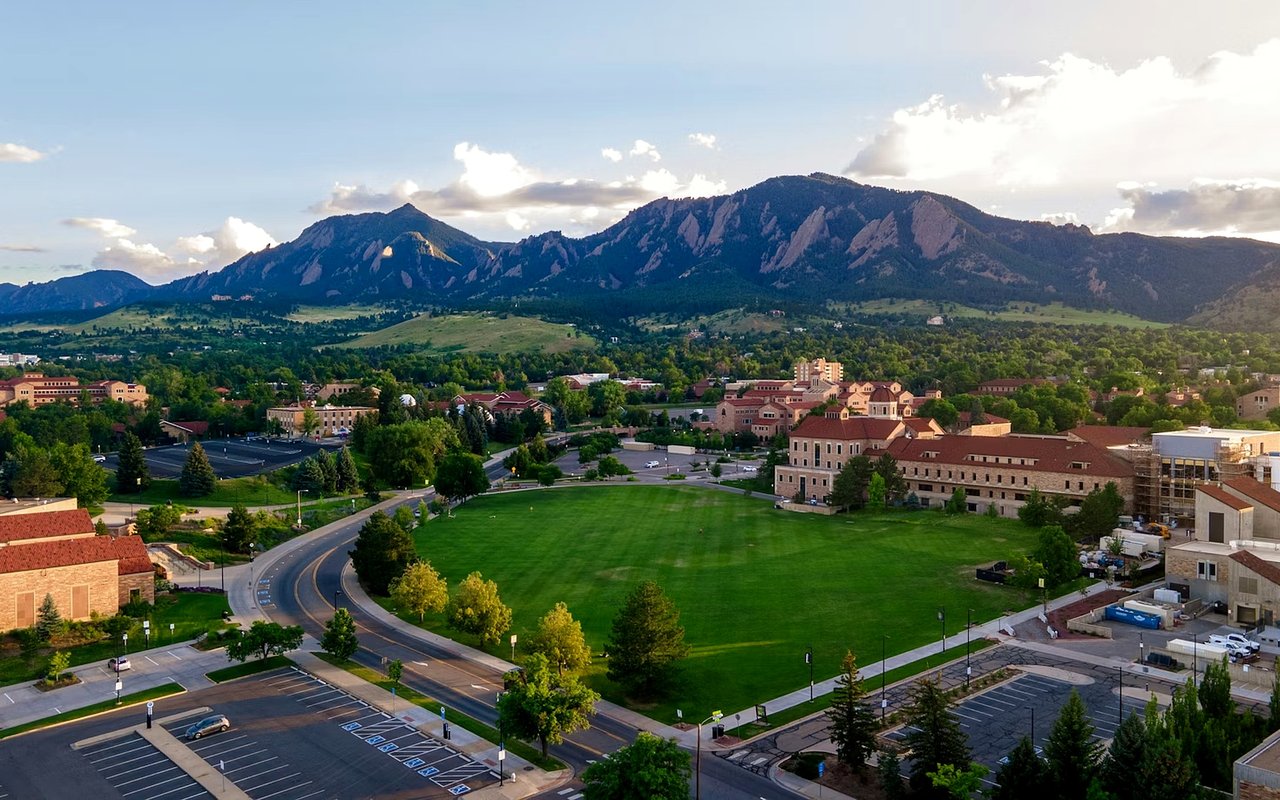
Many of Boulder’s best-known attractions are tied closely to the city’s physical setting, with the Flatirons rising directly above town, Boulder Creek running through central districts, and downtown anchored by one of the country’s most recognizable pedestrian malls. The city's open spaces, live performance venues, historic sites, and science-oriented destinations can fill a full day without you having to leave town.
This guide highlights the places that best explain Boulder’s character and the routines that make the city easy to enjoy.
Key Takeaways
-
Outdoor Landmarks: The Flatirons, Chautauqua, and Boulder’s open space system shape the city’s identity immediately.
-
Downtown Attractions: Pearl Street, Boulder Creek, and nearby gathering spots give central Boulder a strong daily rhythm.
-
Cultural Stops: Museums, music venues, and distinctive local institutions add depth beyond hiking and sightseeing.
-
City Lifestyle: The strongest Boulder experiences come from how easily nature, culture, and walkable districts connect.
Chautauqua and the Flatirons Are the Essential Starting Point
Chautauqua is where many people begin because it places Boulder’s most iconic landscape directly in view and connects quickly to trails, historic buildings, and meadow space at the base of the Flatirons.
What makes Chautauqua worth the time
-
Flatirons backdrop: The rock formations create Boulder’s most recognizable visual landmark.
-
Chautauqua Trail: A heavily used route that gives a direct path into the foothills and meadow views.
-
Historic district: The grounds connect today’s trail use with one of Boulder’s oldest civic destinations.
-
Ranger Cottage: A useful stop for open space information and trail orientation.
This part of Boulder feels especially complete because it works equally well for a first visit, a repeat morning hike, or a slower walk through the meadow.
Pearl Street Mall Shows Boulder at Street Level
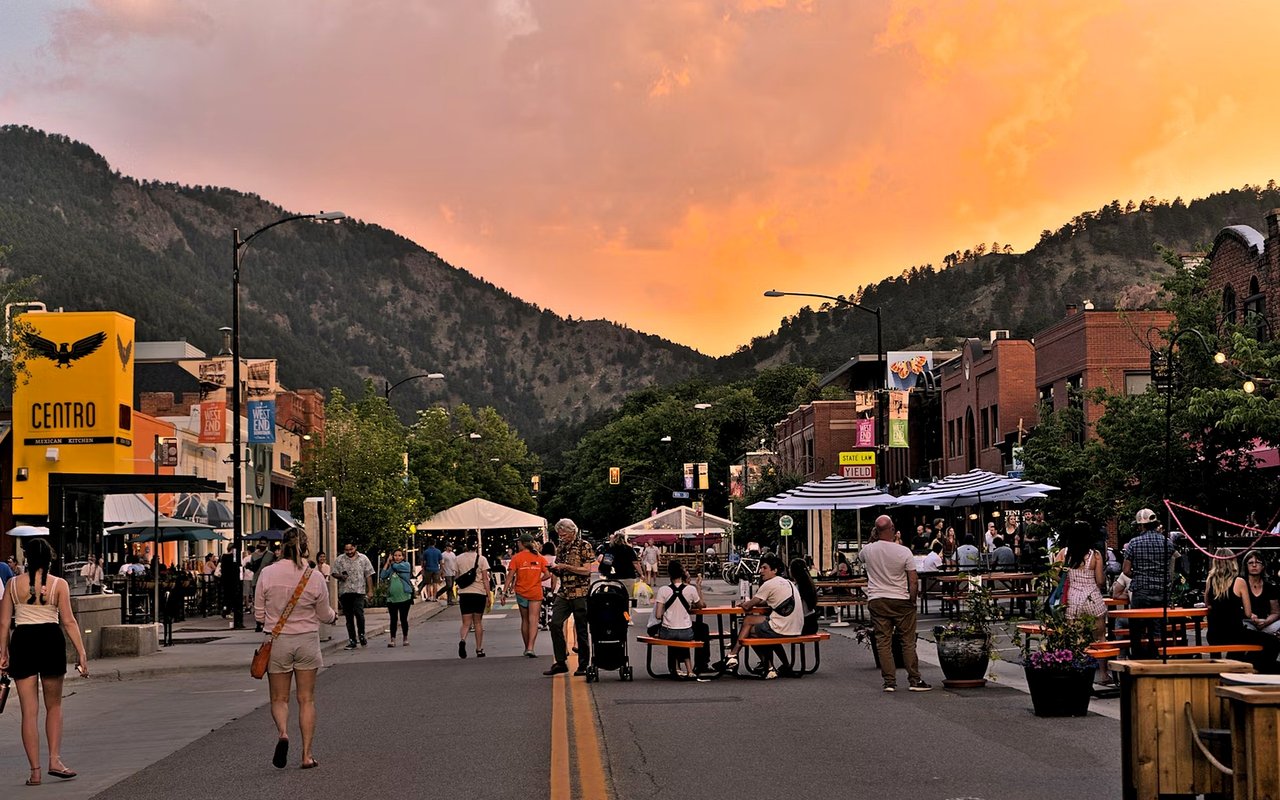
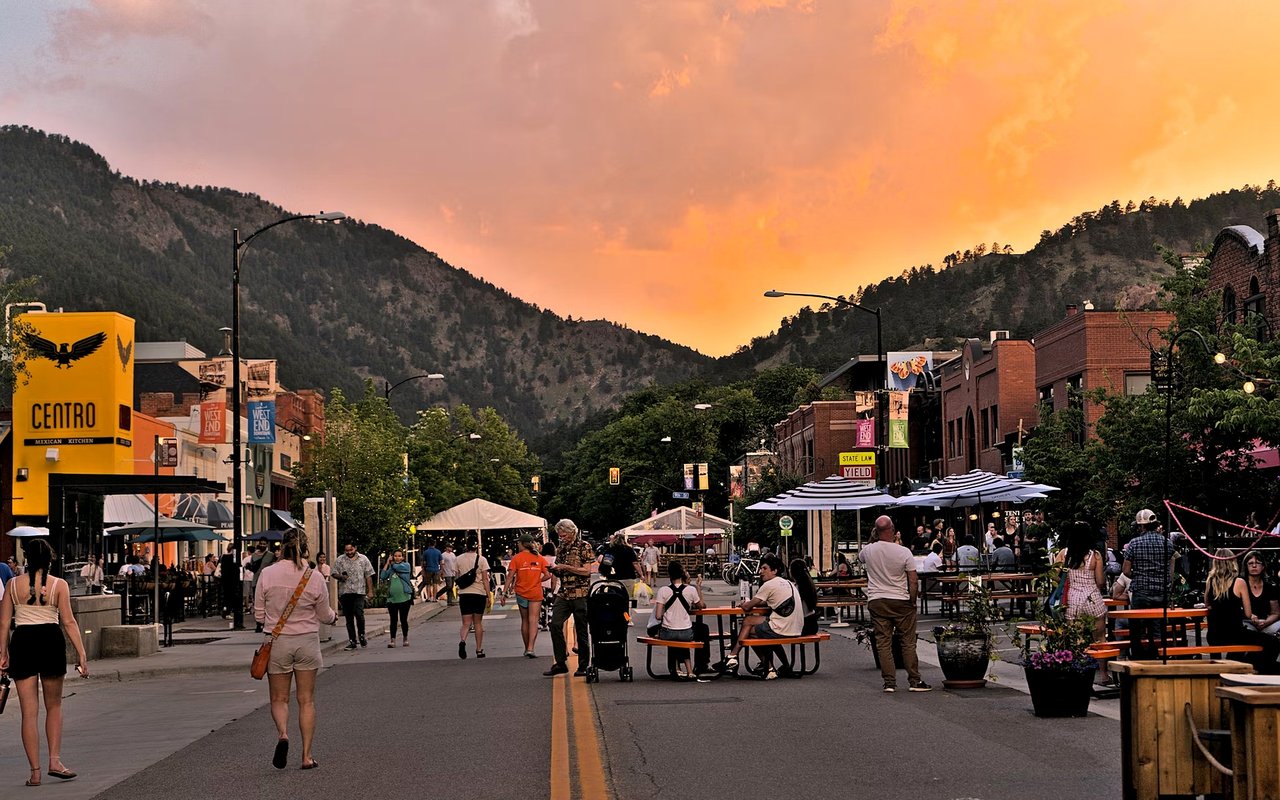
Pearl Street Mall gives Boulder a different kind of landmark, one built around movement, storefronts, public life, and the city’s downtown architecture.
Downtown stops that shape the experience
-
Pearl Street Mall: The city’s best-known pedestrian district and a central downtown attraction.
-
Street performers: Regular public entertainment adds a lively rhythm to the mall on many days and evenings.
-
Historic downtown setting: Landmark buildings and long-established commercial blocks create a strong sense of place.
-
Nearby parking and access: Garages, lots, and central positioning make downtown visits easier to organize.
I see Pearl Street as one of the clearest examples of how Boulder balances tourism with a daily local routine.
Boulder Creek and the Surrounding Core Make the City Feel Active
Boulder Creek adds another layer to the central city by giving downtown a waterway, trail connection, and more relaxed public edge.
Places near the creek that deserve attention
-
Boulder Creek corridor: The creek creates a natural spine through central Boulder.
-
Downtown path connections: Trails and walkways make it easy to move between attractions on foot.
-
Dushanbe Teahouse: A distinctive local landmark beside the creek with a strong visual identity and sister-city history.
-
Civic gathering spaces: The nearby downtown core supports festivals, markets, and everyday public activity.
I think this area matters because it links parks, bridges, pathways, and nearby institutions in a way that makes Boulder feel outdoors-oriented even in the middle of town.
Cultural Attractions Add More Depth Than Many Visitors Expect
Boulder’s appeal extends well beyond trails and mountain views, and the city’s cultural institutions make that clear quickly.
Cultural stops that broaden the day
-
Museum of Boulder: A strong place to understand the city’s history, civic identity, and changing local culture.
-
Boulder Theater: A downtown performance venue that keeps live music and events in the center of town.
-
Seasonal exhibitions: Museum programming helps keep repeat visits interesting throughout the year.
-
Downtown arts access: These venues fit easily into a broader Pearl Street or creek-side outing.
These destinations matter because they create a version of Boulder that feels richer than a simple outdoors guide.
The NCAR Mesa Lab Is One of Boulder’s Most Distinctive Stops
Few cities have a major scientific institution set into the foothills with public exhibits, tours, and a building that is an attraction in its own right.
Reasons the Mesa Lab stands out
-
Visitor center: Public exhibits and tours make the science accessible without needing a technical background.
-
Foothills setting: The site feels distinctly Boulder because of its dramatic placement above the city.
-
Architecture: The building itself is part of the experience and has a strong visual presence.
-
Free admission: Walk-in visits and public programming make it an easy addition to a Boulder itinerary.
This attraction adds a very different dimension to the city because it connects Boulder’s research identity with a public-facing experience.
FAQs
What should I see first if I only have one day in Boulder?
I would usually start with Chautauqua and the Flatirons, then head to Pearl Street Mall and Boulder Creek for the second half of the day.
Which Boulder attraction works well in colder weather?
The Museum of Boulder and the NCAR Mesa Lab are both strong options when a fully outdoor plan feels less appealing. Boulder Theater also adds an indoor evening option right in downtown.
Are Boulder’s best attractions close enough to combine in one trip?
Yes, many of them fit together very well, especially Chautauqua, downtown, Boulder Creek, and several cultural stops.
Contact Jennifer Stuckey Today
Boulder real estate is closely tied to the same qualities that make these attractions memorable, including Flatirons views, trail access, walkable commercial streets, and a city center that still feels active and distinct.
If you are exploring Boulder more seriously, reach out to me, Jennifer Stuckey, for a perspective grounded in the way the city actually lives from one district to the next.
If you are exploring Boulder more seriously, reach out to me, Jennifer Stuckey, for a perspective grounded in the way the city actually lives from one district to the next.