Living in Broomfield CO: Relocation Guide (Denver/Boulder)
A complete community guide to homes, US-36 commutes, top school districts, and open space in Broomfield, Colorado
Broomfield Community Snapshot
Key Living Metrics: Broomfield, Colorado
- Location & Access: Centrally positioned on US-36 corridor between Denver & Boulder
- Commute Time: 25.5 minutes average travel time to work (Flatiron Flyer bus rapid transit)
- Median Home Value: $664,500 (U.S. Census Bureau baseline)
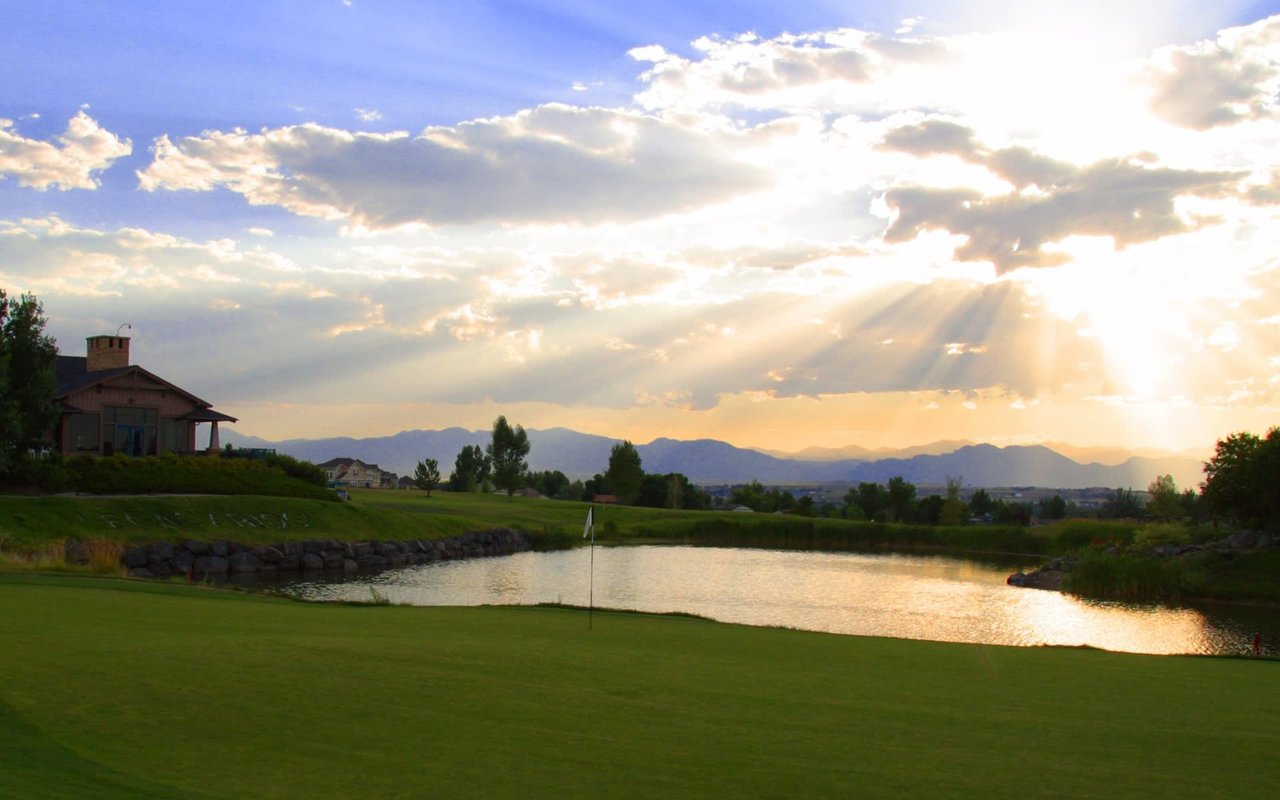
- Parks & Open Space: 290 miles of trails, 63 parks, & 8,000+ acres of open land
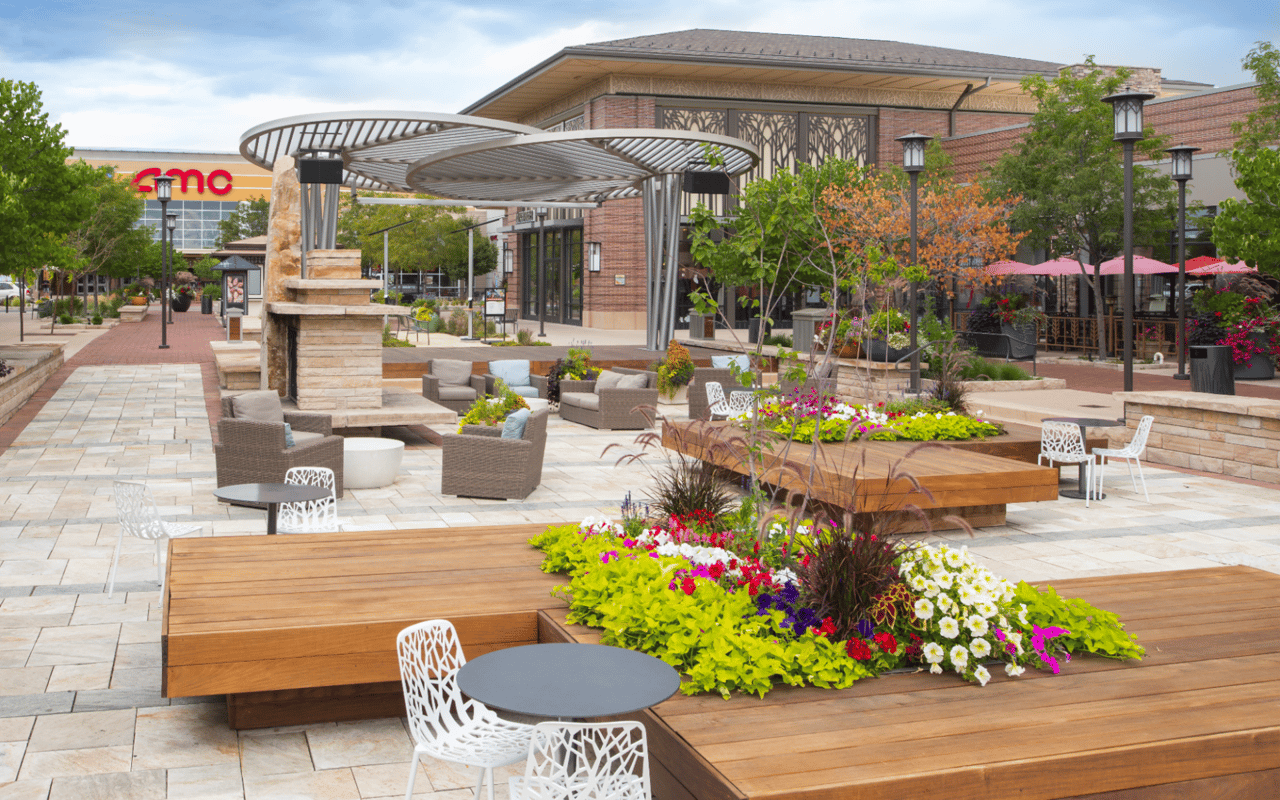
- Shopping Anchor: FlatIron Crossing Mall (175+ stores, dining, & entertainment)
- School District Note: Multi-district city (Boulder Valley, Adams 12, Jefferson County, St. Vrain)
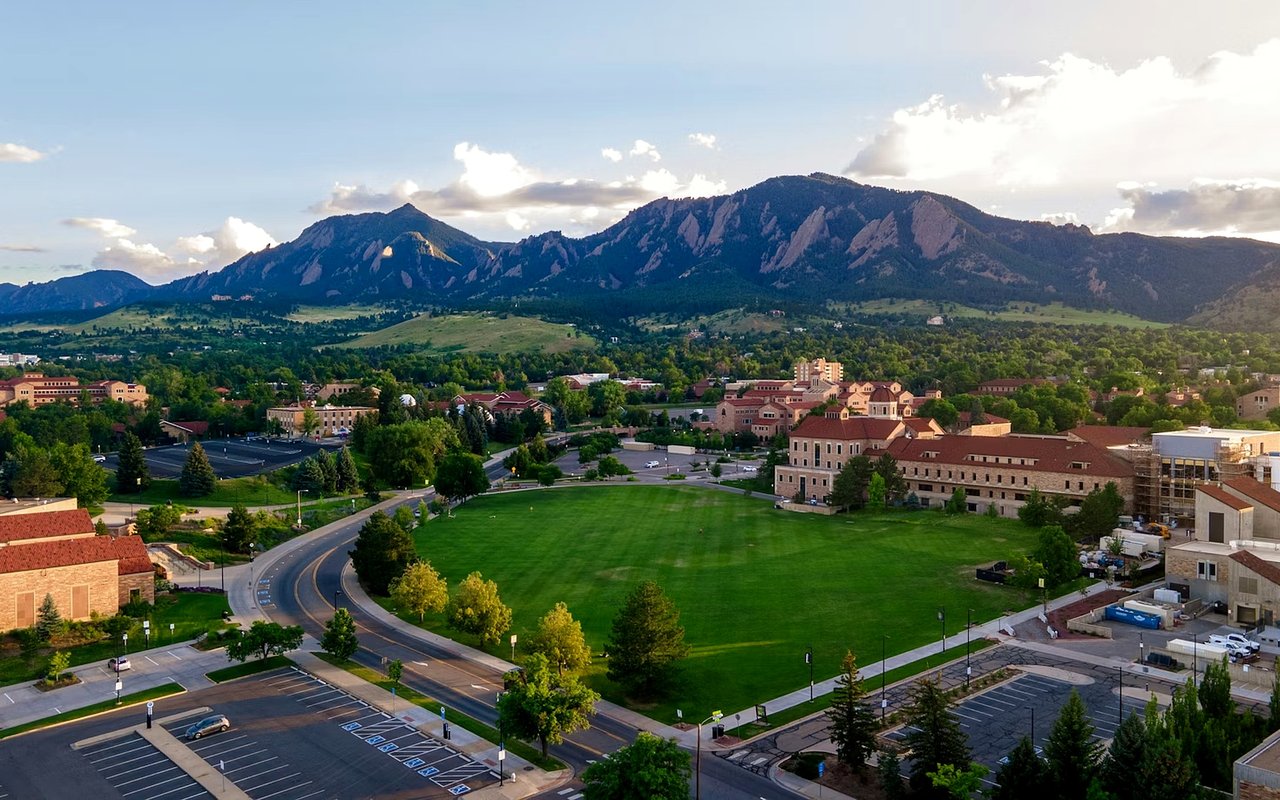
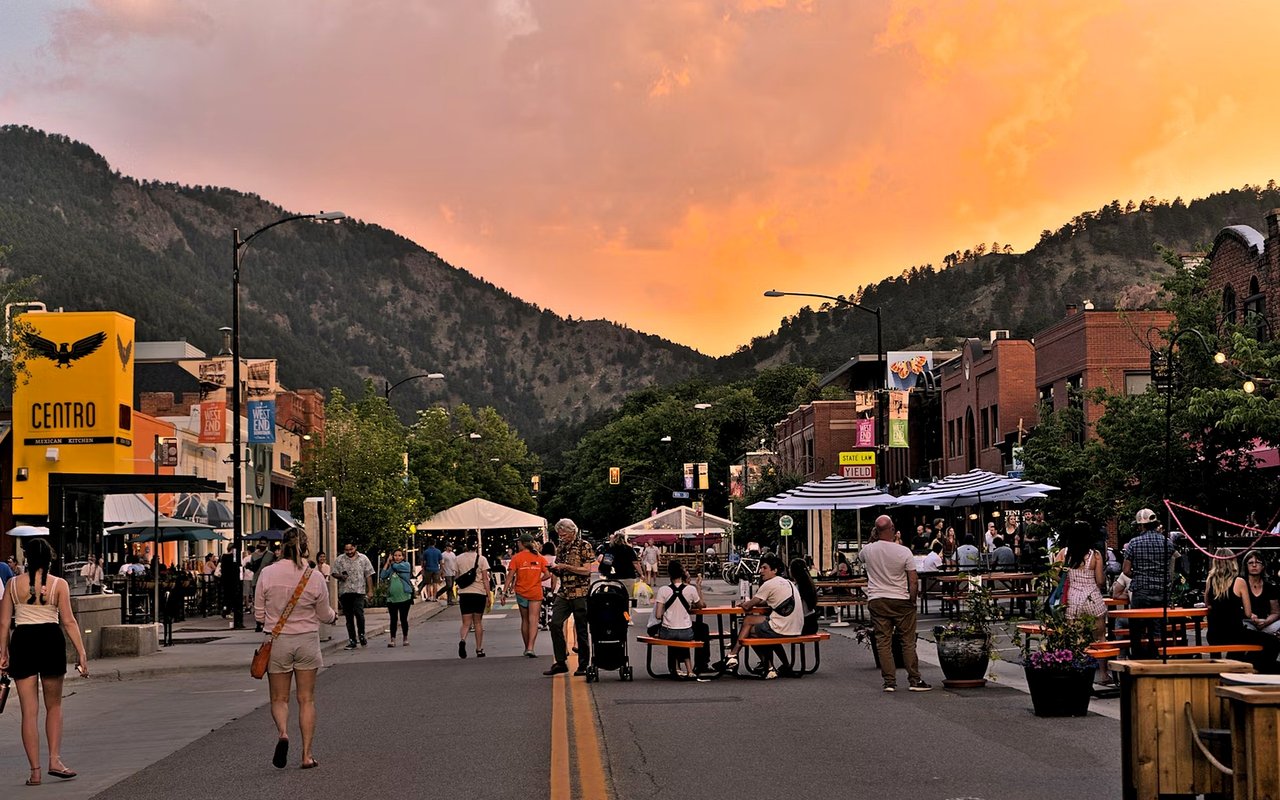
Living in Broomfield, Colorado offers an ideal middle ground for commuters seeking equal access to Denver and Boulder. As a consolidated city and county along the US-36 corridor, Broomfield combines master-planned neighborhoods, expansive parks and trail systems, major retail centers like FlatIron Crossing, and diverse housing stock ranging from starter townhomes to executive single-family estates.[1]
Considering a Move to Broomfield, CO?
School boundaries and neighborhood growth zones vary significantly by address
Broomfield is served by five different school districts depending on the exact neighborhood block. Jennifer Stuckey and the RE/MAX Alliance Team deliver expert buyer representation across Broomfield, Westminster, and Lafayette.[2]
Wondering what it is really like to live in Broomfield when you want easy access to both Denver and Boulder? You are not alone. Many Front Range home buyers seek that sweet spot where daily life feels practical, connected, and relaxed. Situated along US-36, Broomfield offers a balanced suburban lifestyle with strong employment hubs, outdoor recreation, and urban convenience.
Broomfield Community & Living Metrics Matrix
A summary of key housing, commute, and recreational figures in Broomfield, CO.
Community Factor | Broomfield Statistical Metric | Primary Resident Advantage |
|---|---|---|
Location & Transit | US-36 Corridor & RTD Flatiron Flyer BRT | Equal commute convenience to both Denver & Boulder |
Average Commute Time | 25.5 Minutes (U.S. Census Bureau) | Efficient daily travel to major regional employer hubs |
Median Home Value | $664,500 (Owner-Occupied Rate: 62.7%) | Strong equity growth & stable suburban neighborhoods |
Parks & Trails Network | 290 Trail Miles, 63 Parks, 8,000+ Acres Open Space | Immediate outdoor recreation access from every neighborhood |
Retail & Dining Hub | FlatIron Crossing (175+ stores, dining, & cinema) | Turn-key access to regional shopping & entertainment |
Sources: U.S. Census Bureau QuickFacts, City and County of Broomfield Open Space Department[1]
Why Broomfield Stands Out Between Denver and Boulder
Broomfield holds a unique identity in the north Denver metro area. As a consolidated city and county situated directly along the US-36 corridor, Broomfield balances residential master-planned neighborhoods with commercial tech centers (Interlocken Business Park) and generous open space.[1]
Commuting and Multimodal Transit Connectivity
Broomfield's central placement makes travel between Denver and Boulder straightforward. In addition to highway access via US-36, I-25, and C-470, residents benefit from RTD's Flatiron Flyer bus rapid transit service and regional Park-and-Ride facilities. U.S. Census data reports an average commute time of 25.5 minutes.
New Developments: Baseline and Broomfield Town Square
Broomfield continues to expand thoughtfully. Key growth projects include Baseline (a mixed-use residential and commercial center in northeast Broomfield) and Broomfield Town Square, which introduces new walkable retail, dining, and multi-family housing options.
- Multi-District School Rules: Broomfield addresses are served by Boulder Valley, Adams 12 Five Star, Jefferson County, Weld County, and St. Vrain school districts.
- Annual Events: Broomfield Days festival featuring 5K runs, parades, food trucks, and live music.
- Outdoor Highlights: Broomfield 100 trail challenge, Paul Derda Recreation Center, & Carolyn Holmberg Preserve.
Housing Stock and Neighborhood Diversity
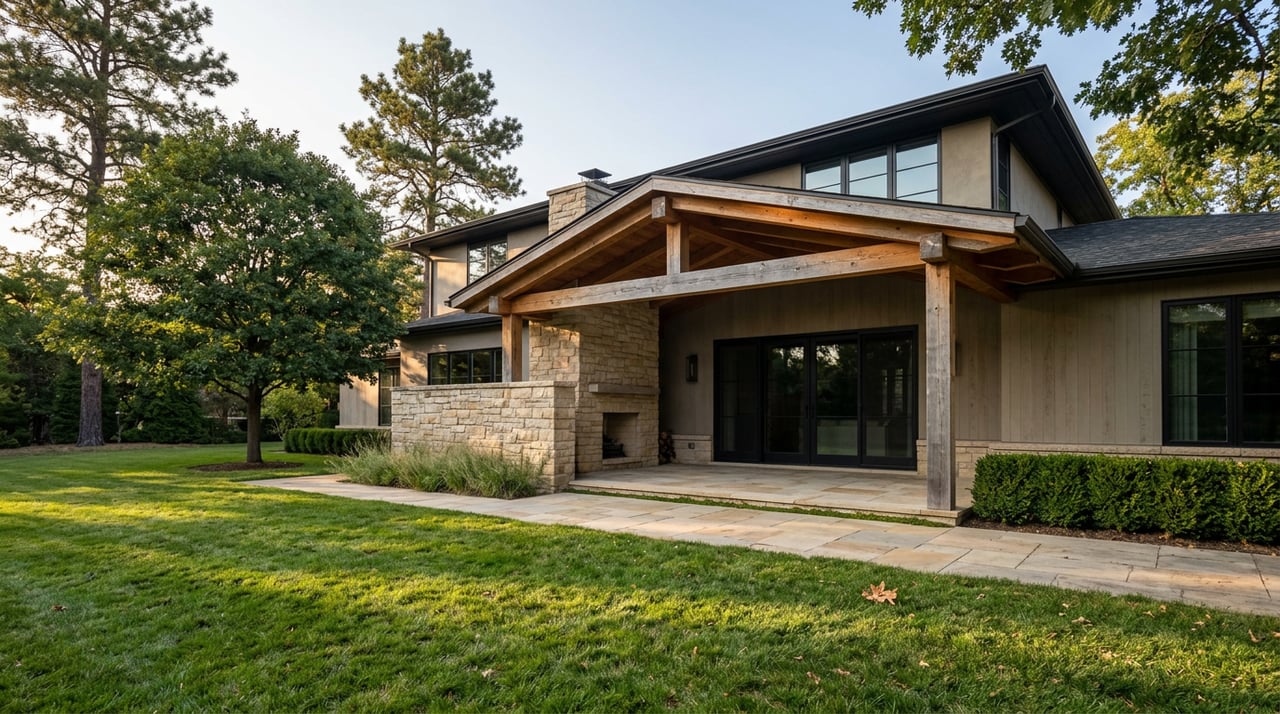
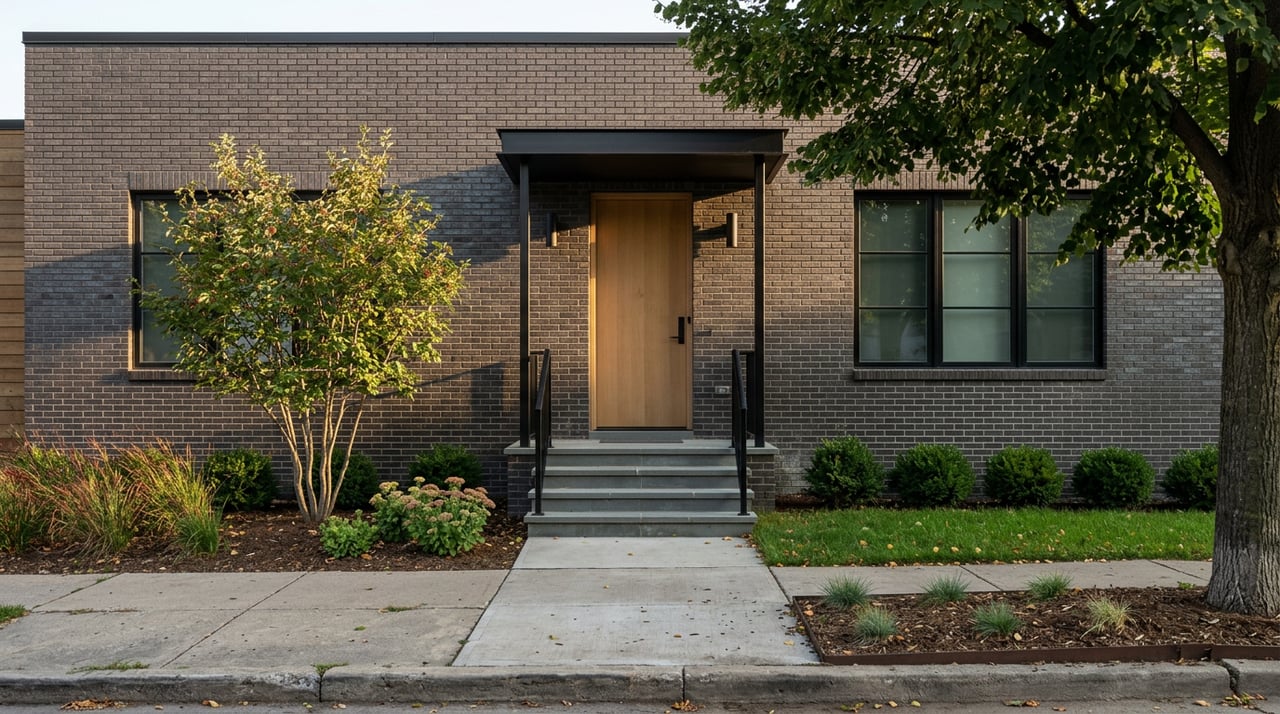
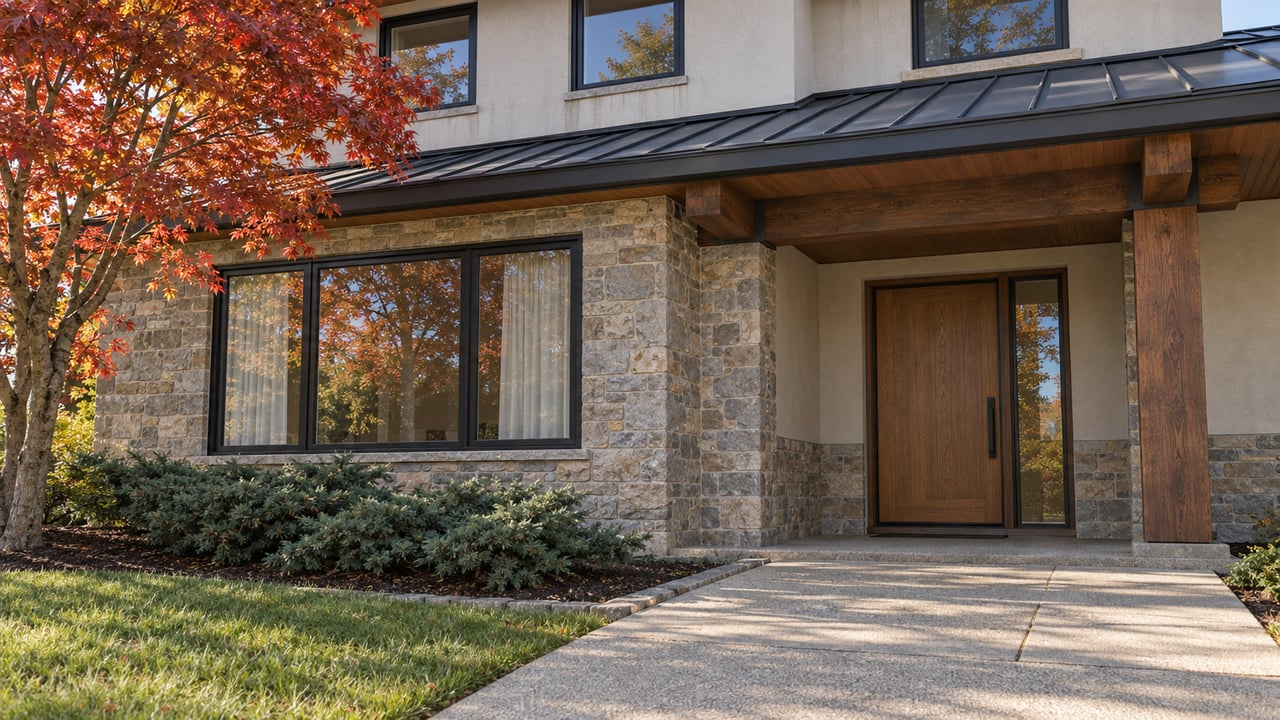
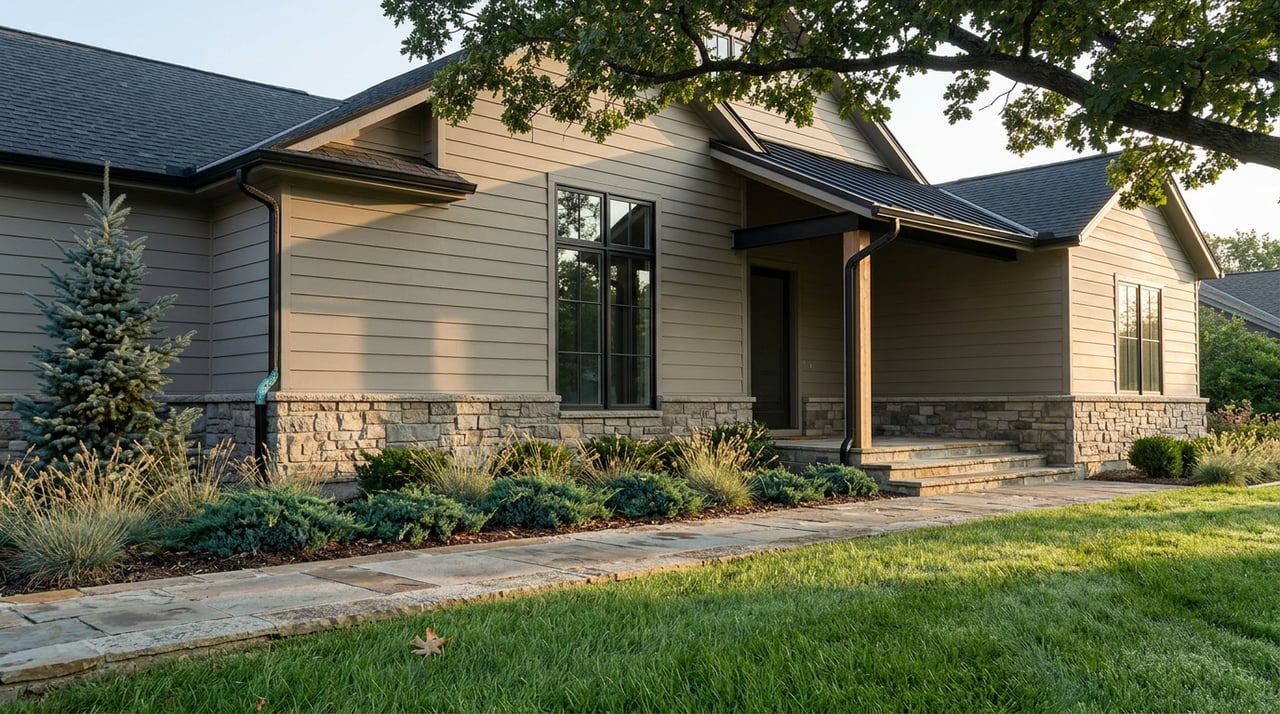
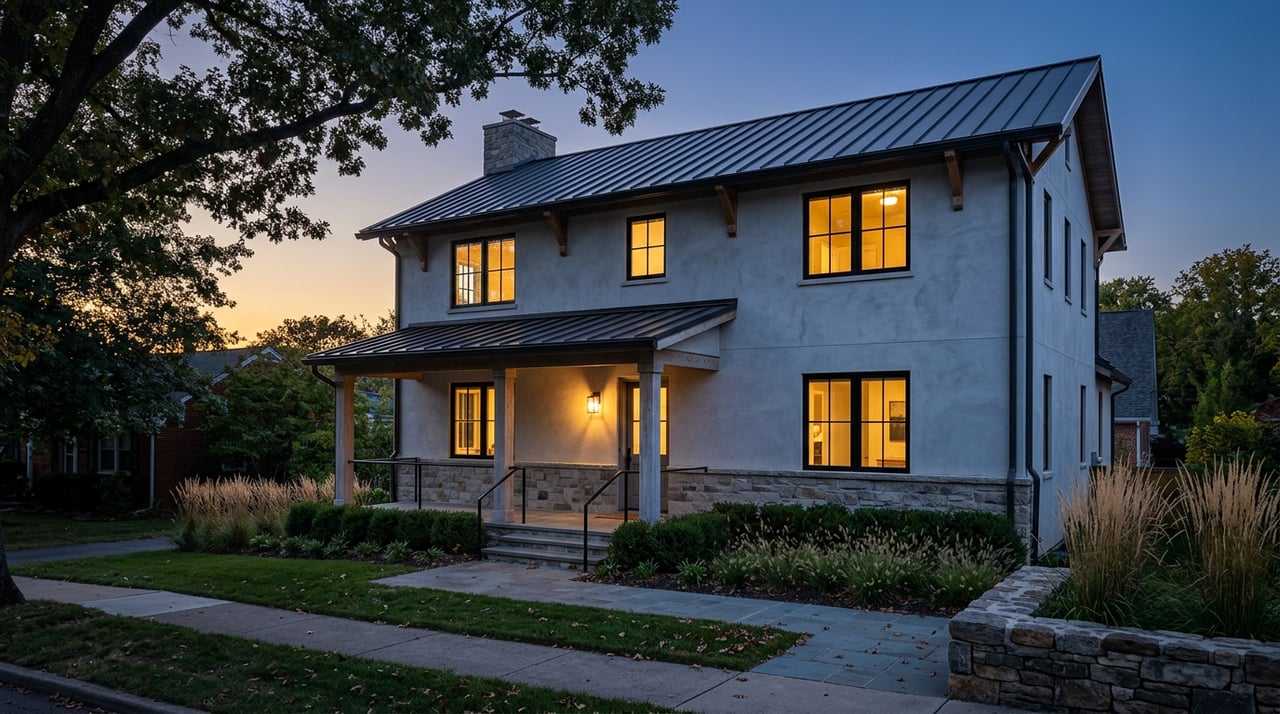
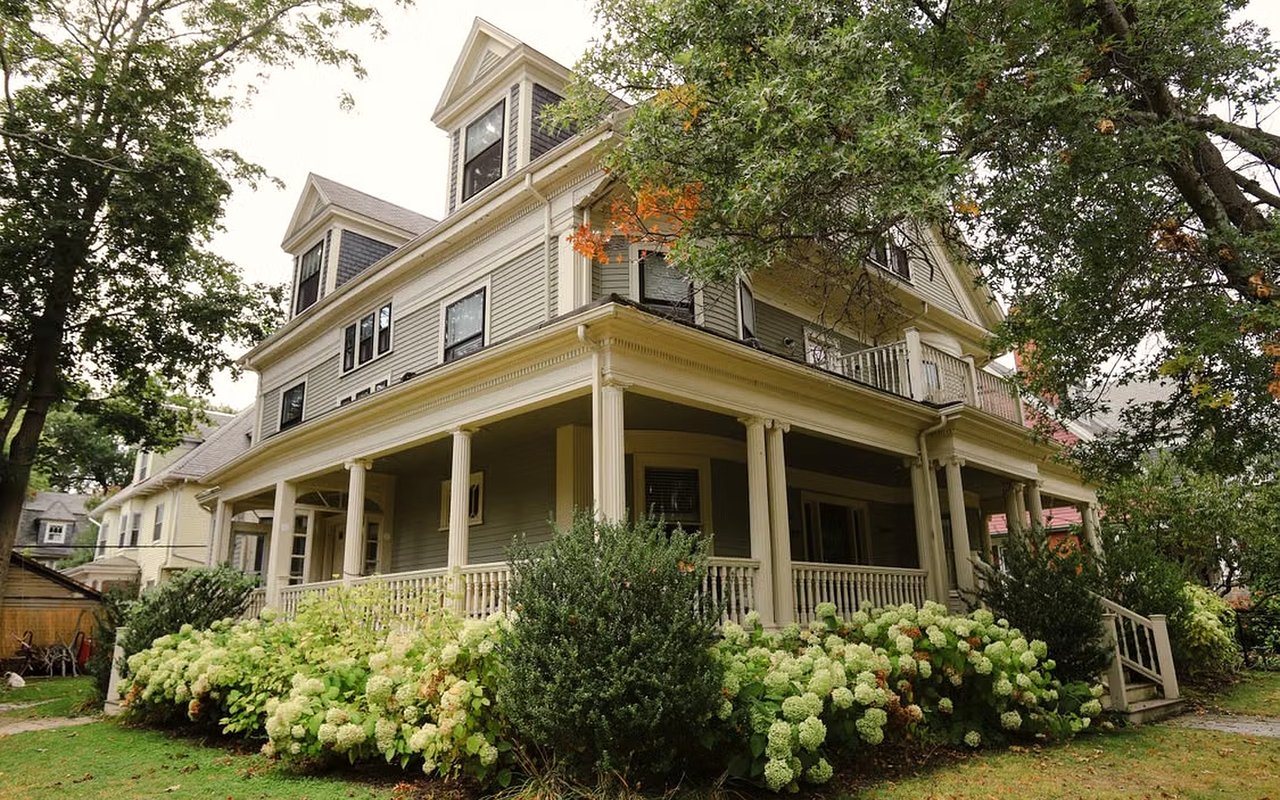
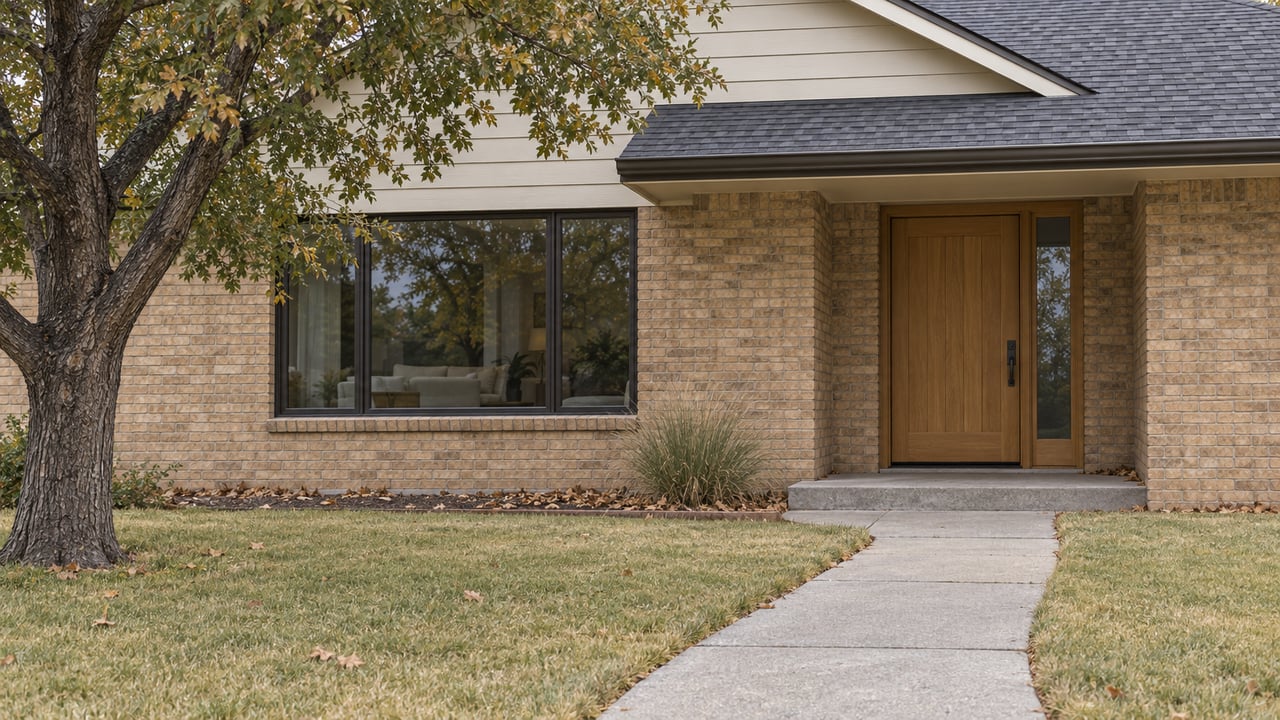
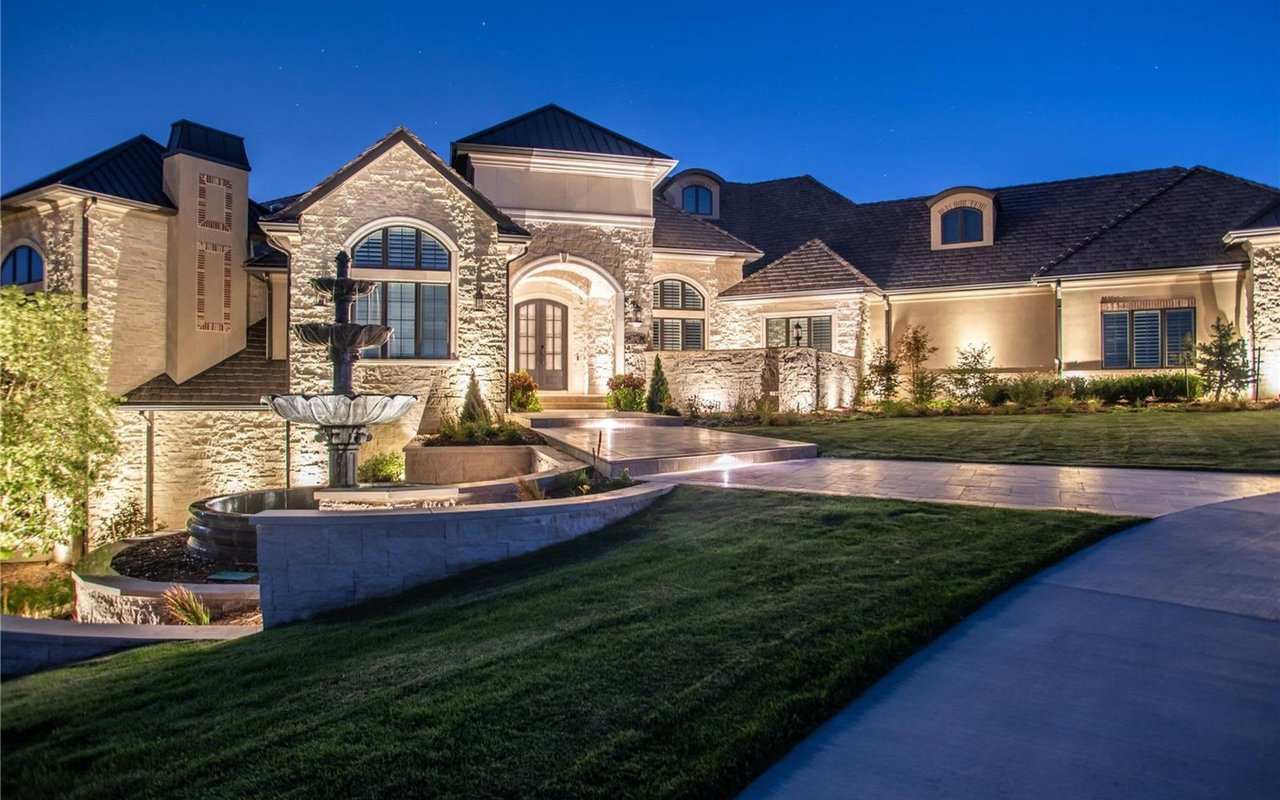
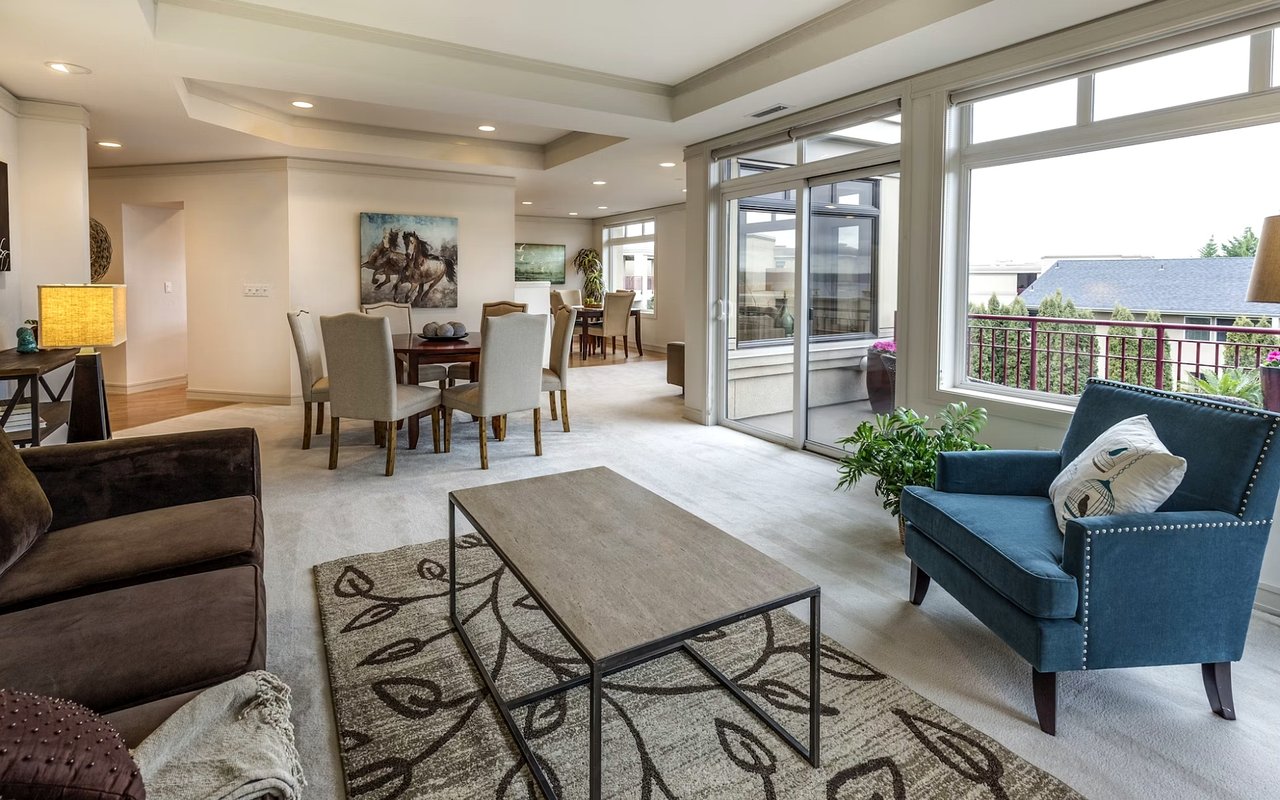
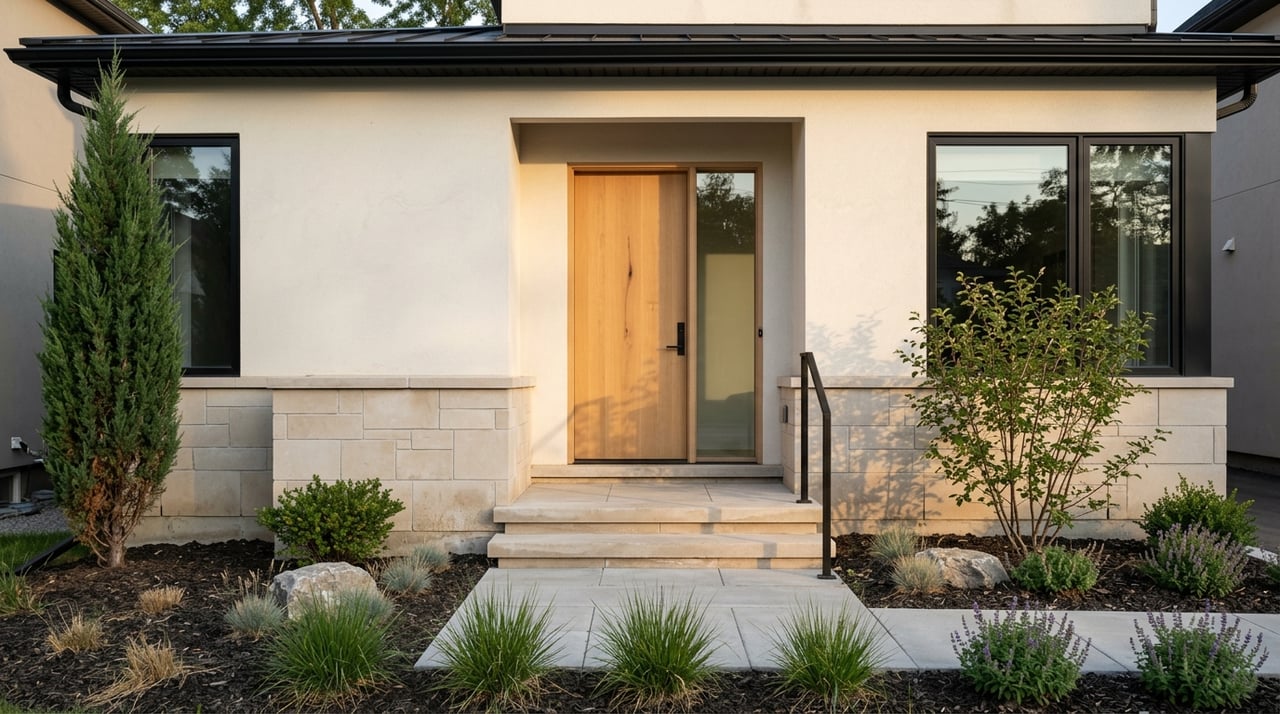
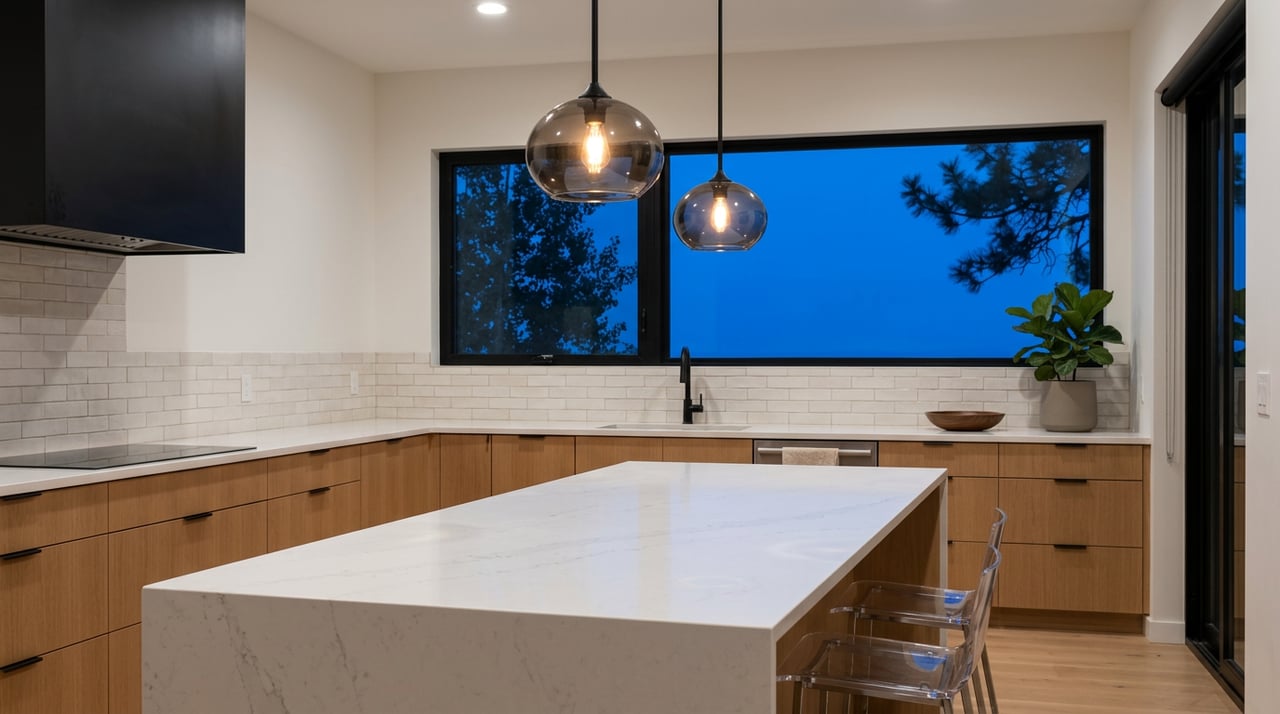
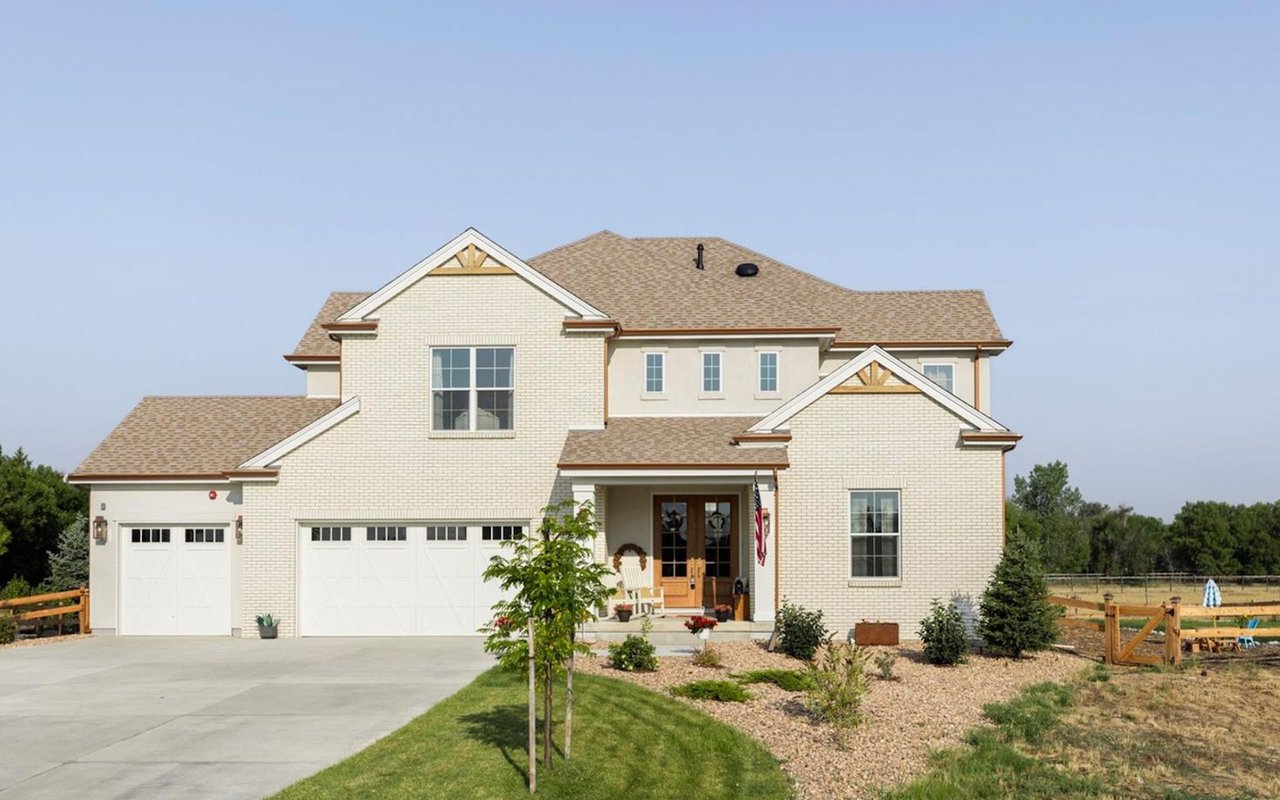
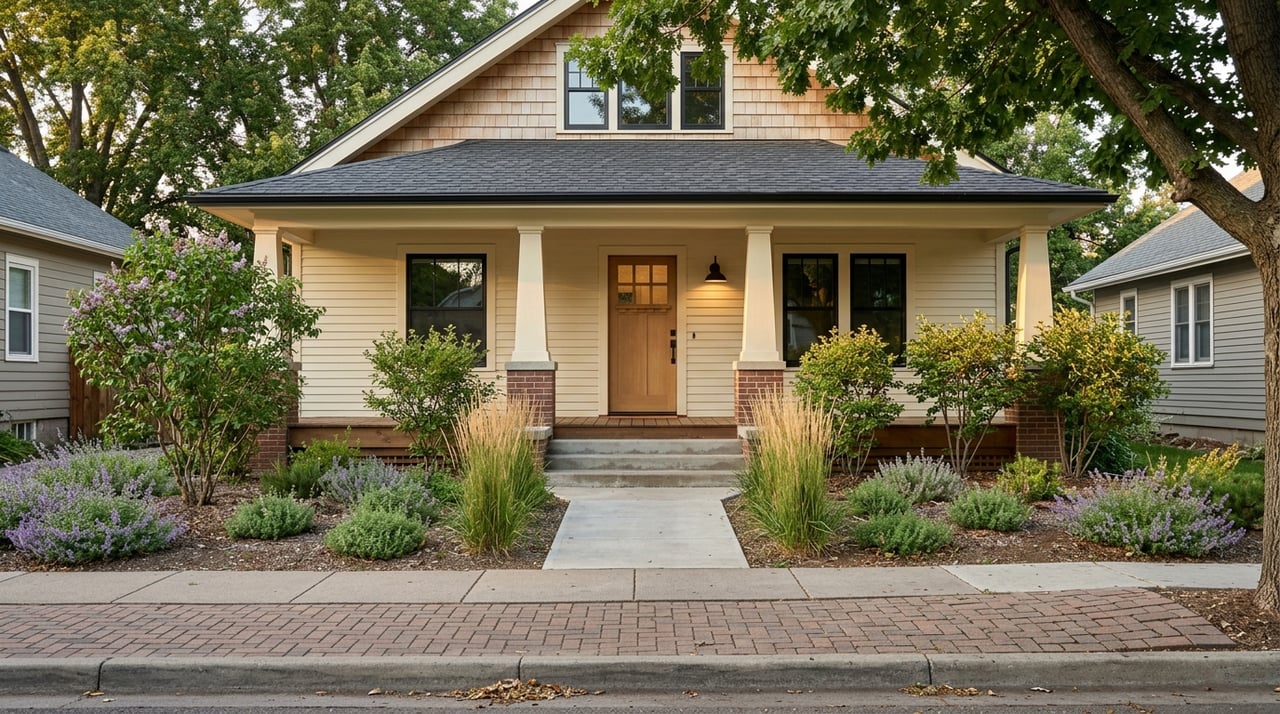
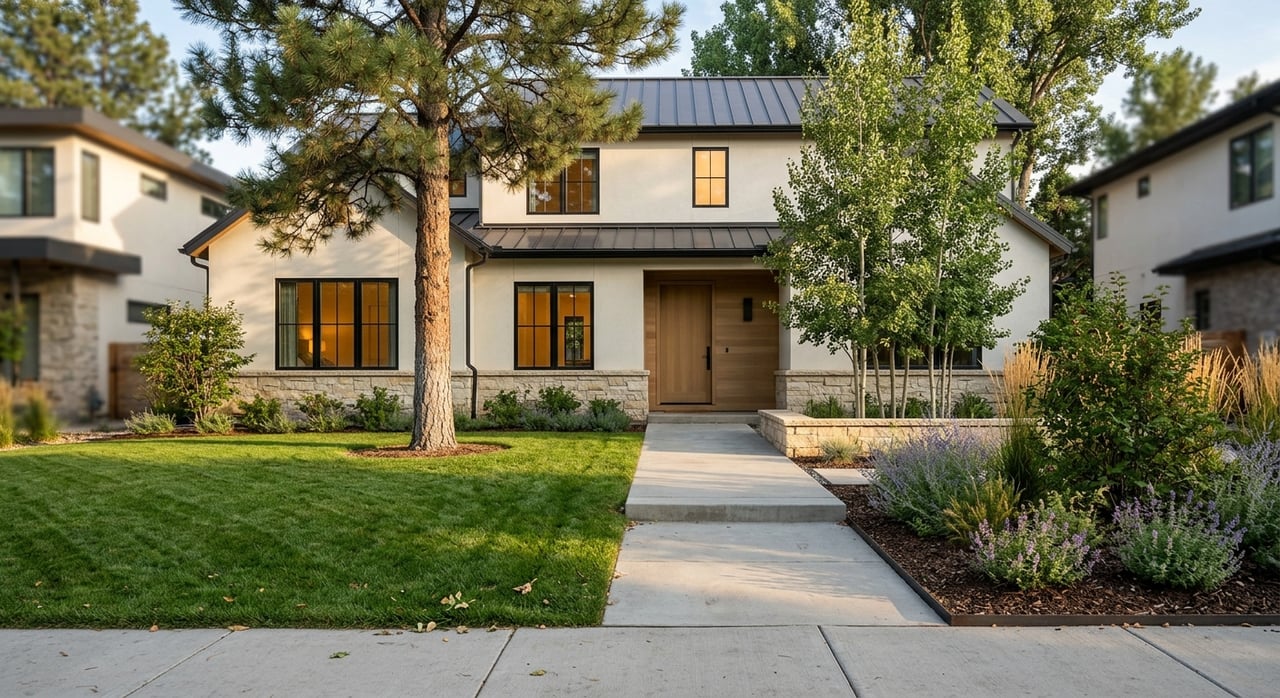
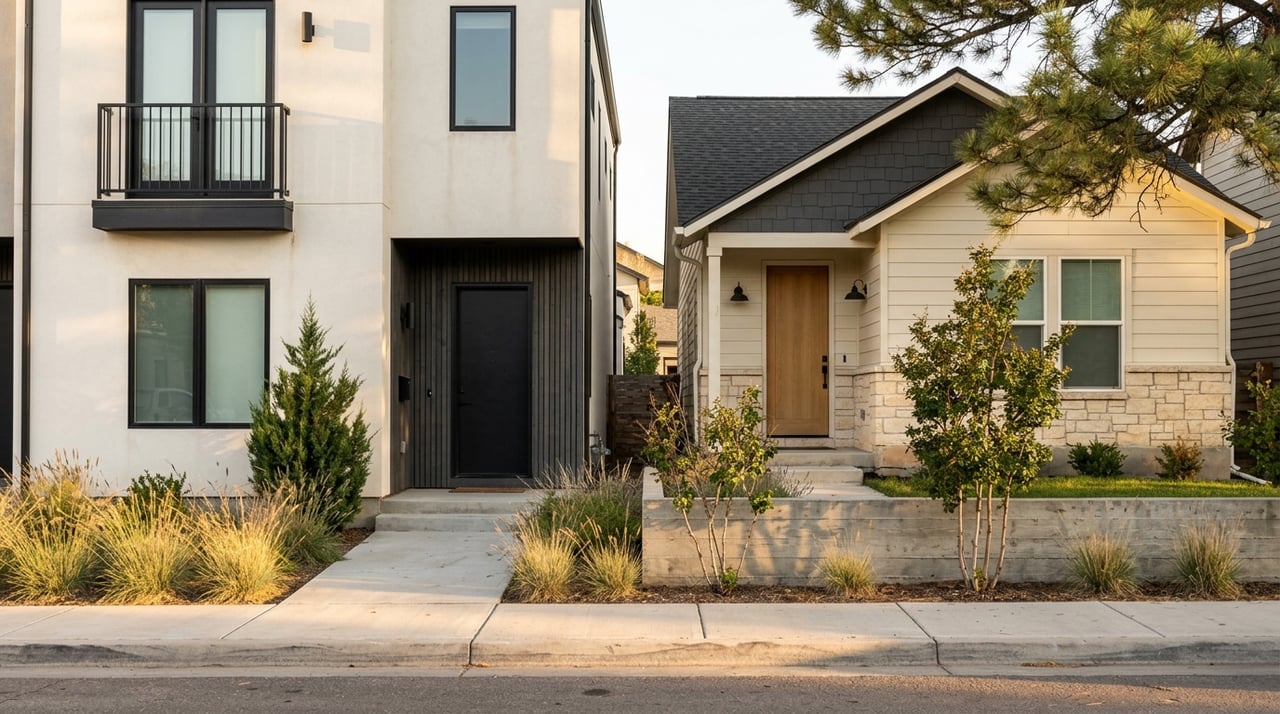
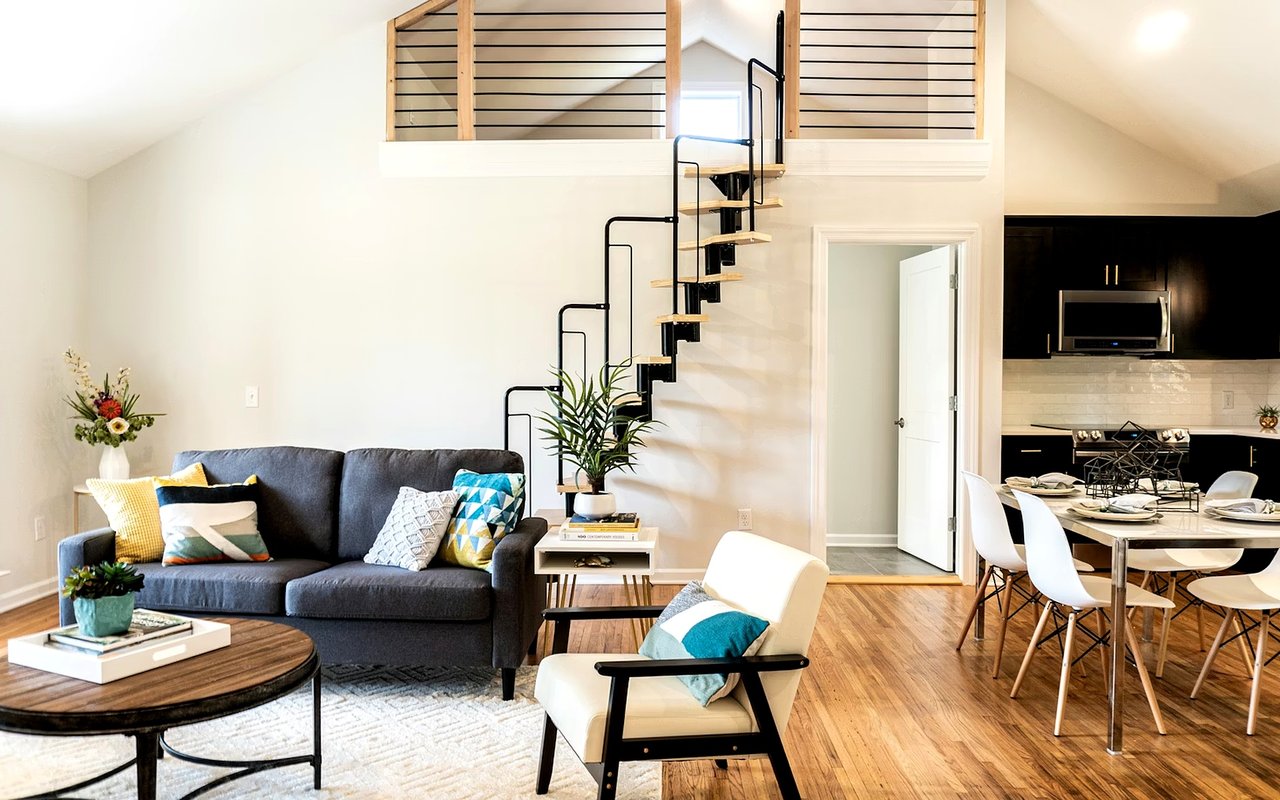
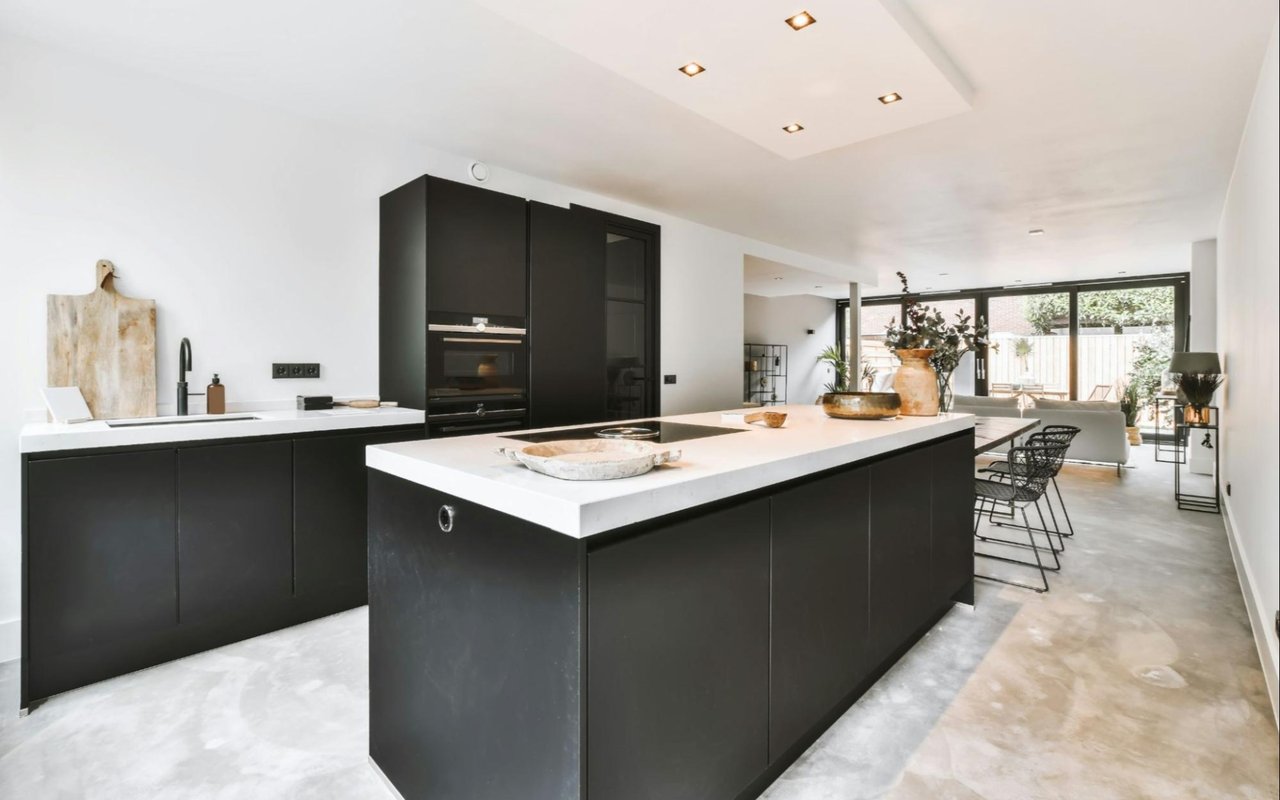
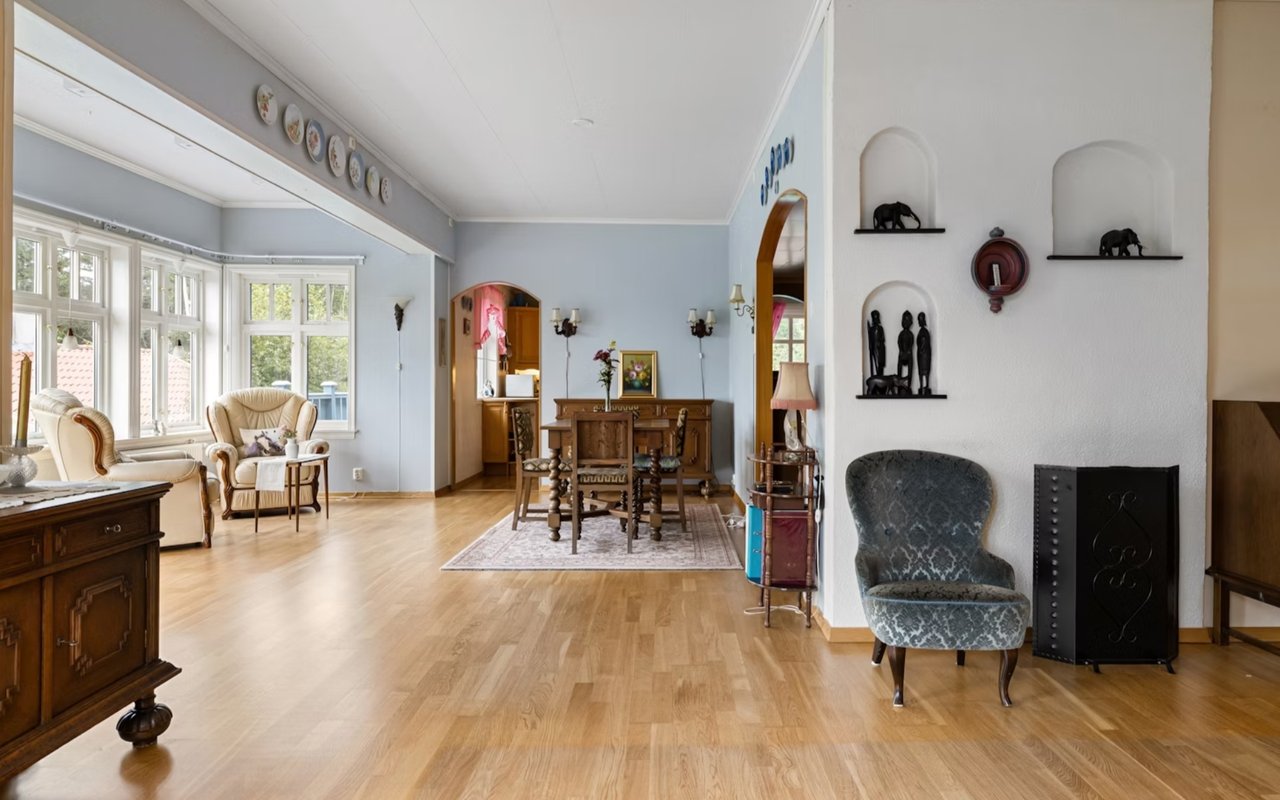
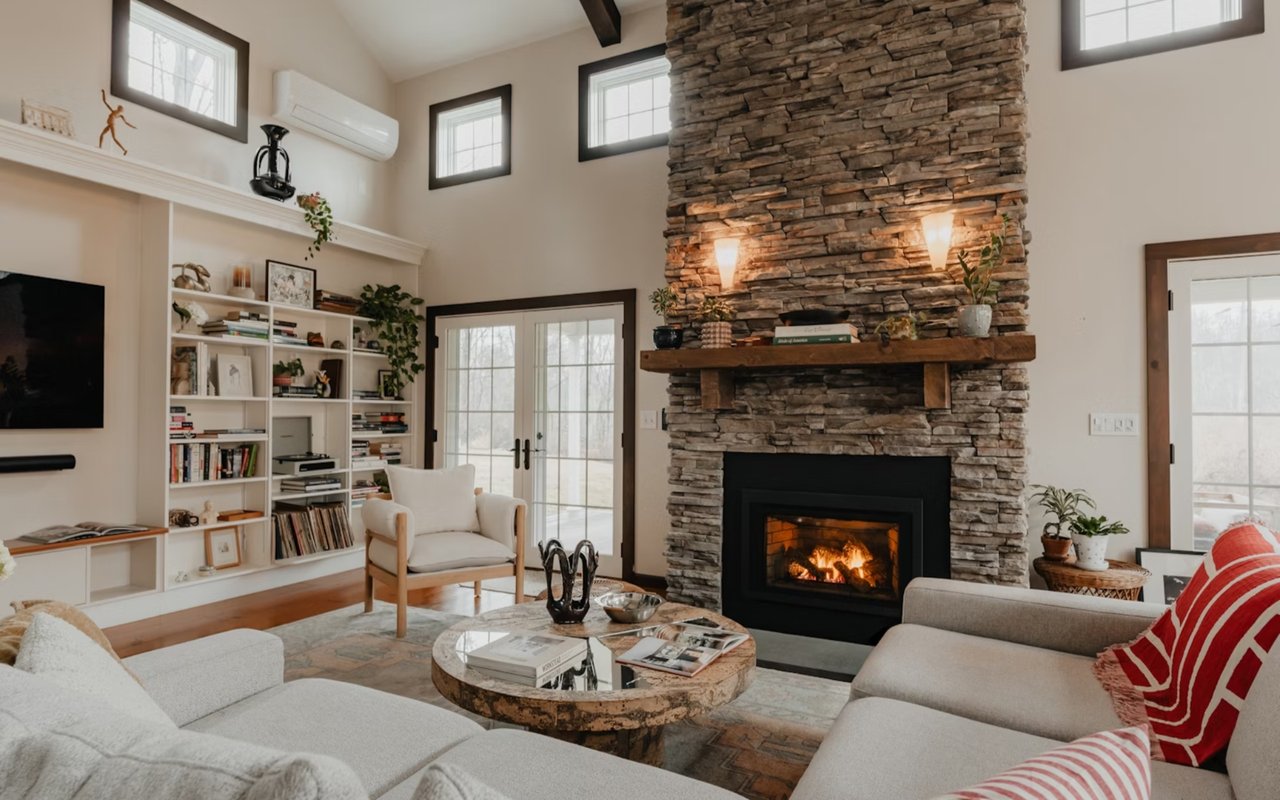
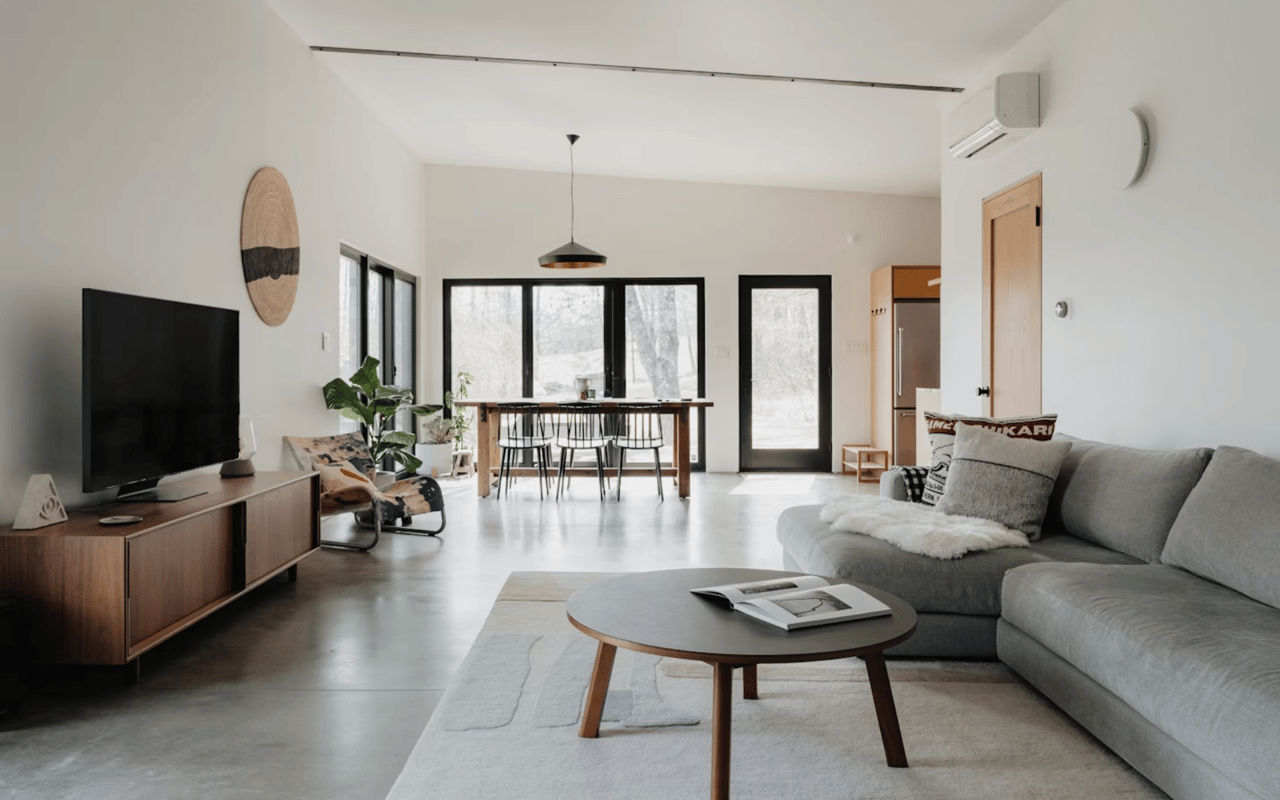
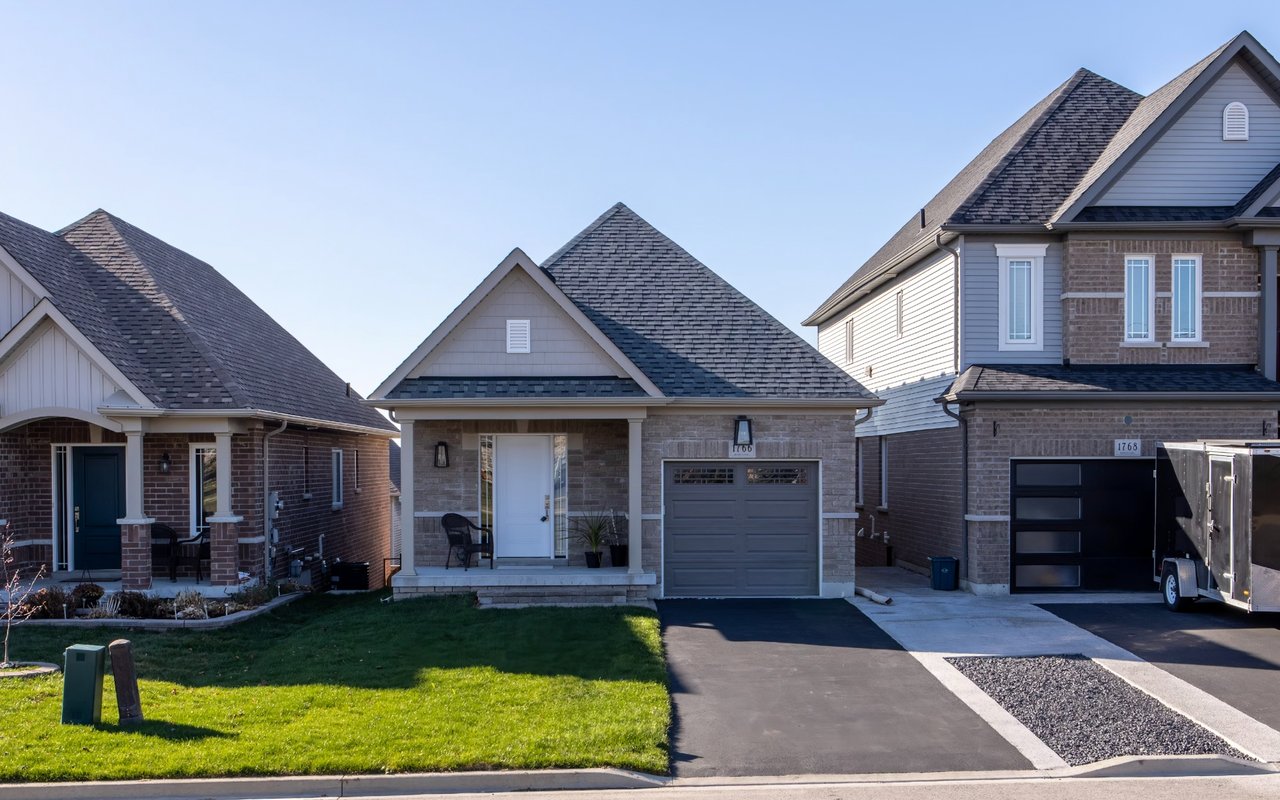
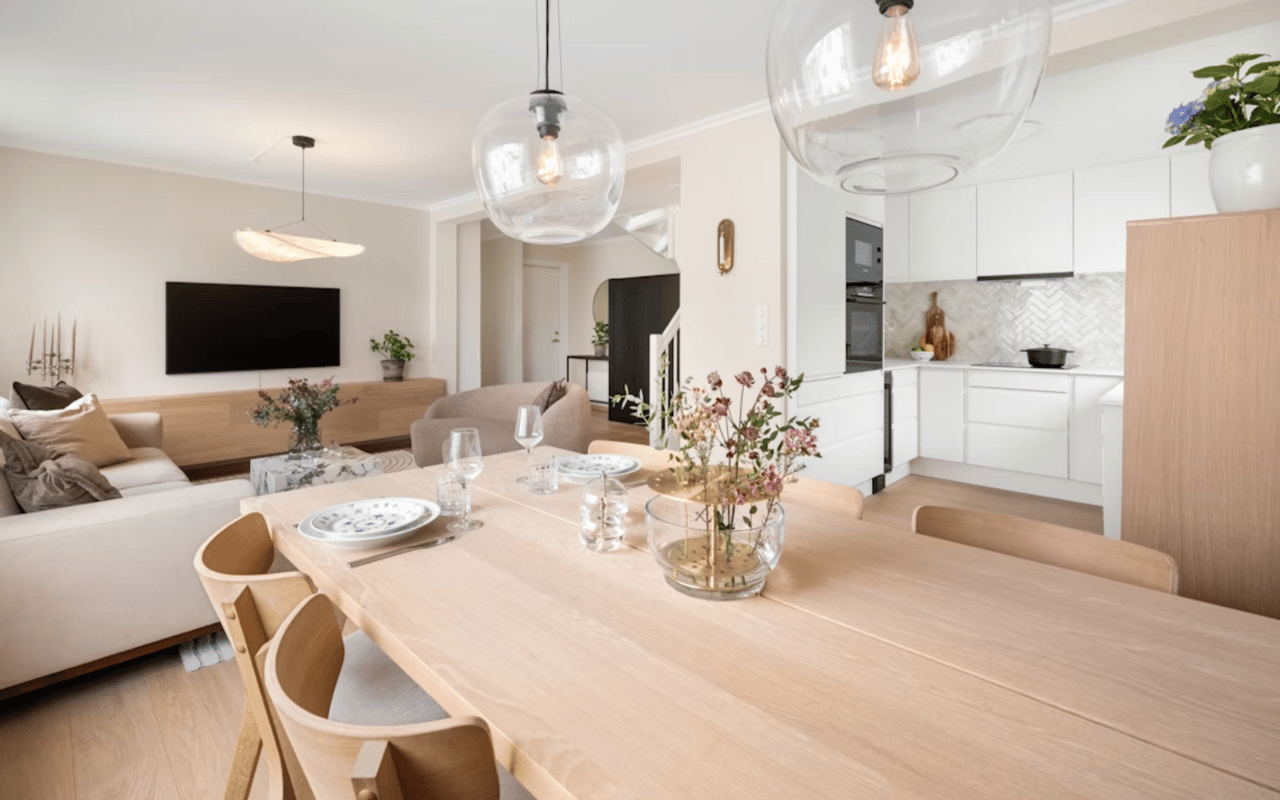
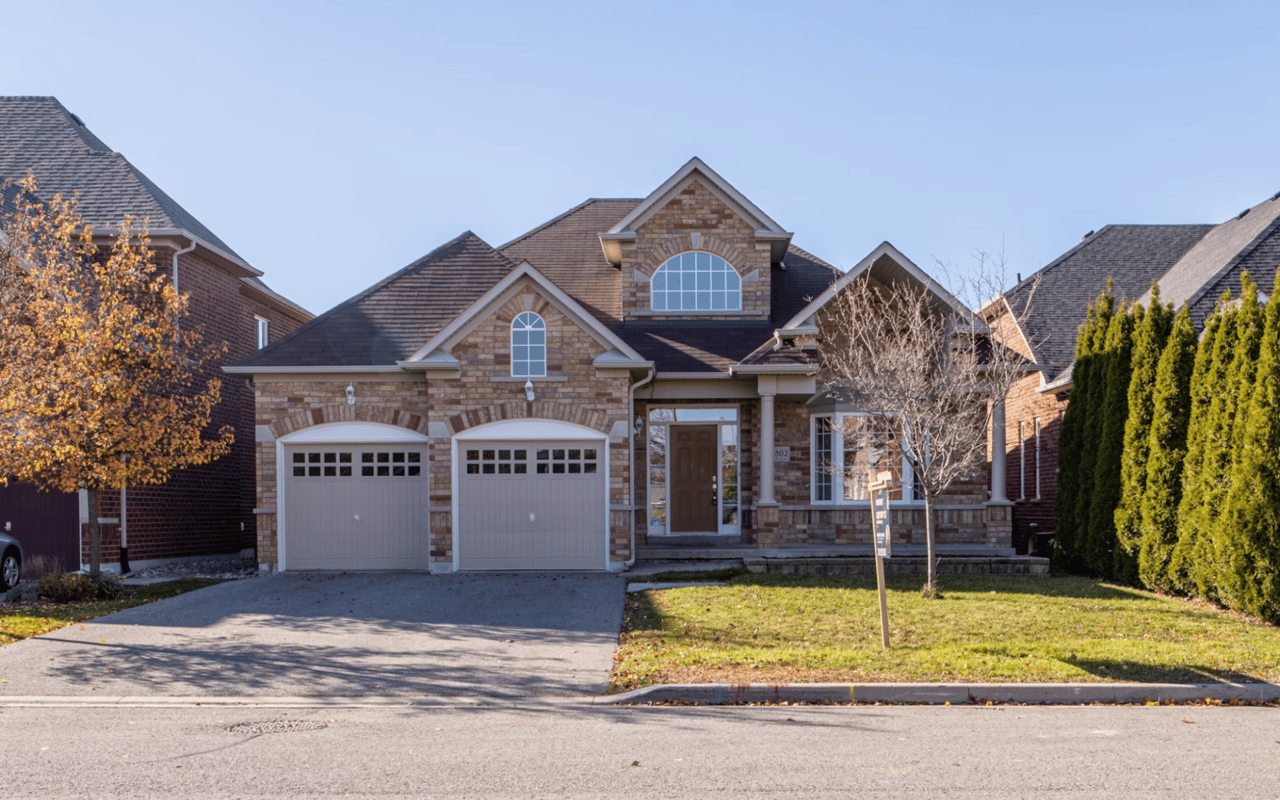
Broomfield's housing mix includes historic single-family homes in original 1950s neighborhoods, modern executive homes in Broadlands and Anthem, low-maintenance townhomes at Dillon Pointe, and luxury apartments surrounding FlatIron Crossing.[2]
Explore nearby Front Range community options in our Westminster Neighborhood Guide and Lafayette Living Guide.
Jennifer Stuckey
Lead Realtor & Front Range Specialist | RE/MAX Alliance
Jennifer Stuckey has guided homebuyers and sellers across Broomfield, Westminster, Lafayette, and Boulder County for over two decades. Her deep local knowledge connects school district boundaries, property values, and commute routes with client home search goals.[2]
Frequently Asked Questions
What is Broomfield CO like for commuting to Denver or Boulder?
Broomfield is situated on the US-36 corridor between Denver and Boulder. Average drive times are 20-25 minutes to either city, supplemented by RTD Flatiron Flyer bus rapid transit.
What school districts serve Broomfield, Colorado?
Broomfield is served by multiple school districts depending on exact home address, including Boulder Valley School District, Adams 12 Five Star Schools, Jefferson County R-1, St. Vrain Valley, and Weld County districts.
What is the median home price in Broomfield CO?
According to U.S. Census Bureau baseline figures, the median owner-occupied home value in Broomfield is $664,500, with a 62.7% homeownership rate.
What recreational amenities are available in Broomfield?
Broomfield offers 290 miles of walking and bike trails, 63 public parks, over 8,000 acres of open space, Paul Derda Recreation Center, and Bay Aquatic Park.
Jennifer Stuckey · RE/MAX Alliance
Find Your Dream Home in Broomfield, CO
Relocating between Denver and Boulder? Work with Jennifer Stuckey to explore Broomfield neighborhoods, verify school boundaries, and tour top listings.