By Jennifer Stuckey
Accepting an offer on your home you love is one of the most rewarding moments in the selling process. After the preparation, the showings, and the negotiations, you finally have a signed agreement in hand. But if you think the hard part is over, the weeks that follow may surprise you. The period between the accepted offer and closing is where deals are made, tested, and occasionally undone — and understanding what to expect can help you stay calm, informed, and in control at every moment.
In Boulder, CO, where real estate transactions often move quickly and buyers arrive well-prepared, the post-acceptance phase tends to be active and detail-intensive. You will hear from inspectors, appraisers, title companies, and your lender on a regular basis. Contingencies will need to be met, paperwork will need to be reviewed and signed, and decisions may need to be made on a tight timeline.
The good news is that once you know what is coming, the process becomes far more manageable. This guide walks you through each major stage of the post-acceptance timeline so that you are never caught off guard.
Key Takeaways
- The period between accepted offer and closing typically takes 30 to 45 days in most Colorado transactions, though cash deals can often move more quickly.
- The home inspection is one of the first and most significant post-acceptance milestones, and its outcome can sometimes lead to renegotiation.
- The appraisal, required by the buyer's lender, confirms that the home's value supports the loan amount; a low appraisal can affect the deal.
- Title work runs concurrently with inspections and financing, clearing the path for a clean transfer of ownership.
- Sellers have responsibilities throughout this period, from maintaining the home's condition to responding to repair requests within set timeframes.
The Opening of Escrow and the Earnest Money Deposit
Within a day or two of the offer being accepted, the transaction enters escrow. Escrow is the period during which a neutral third party, typically a title company or escrow officer, holds funds and documents until all conditions of the sale are satisfied and the transaction is ready to close.
At the same time, the buyer submits their earnest money deposit. This is a sum of money, often one to three percent of the purchase price, that demonstrates the buyer's commitment to the transaction. The funds are held in a trust account and applied toward the buyer's costs at closing. If the buyer walks away from the deal for a reason not protected by a contingency, the seller may be entitled to keep the earnest money as compensation.
As the seller, your primary responsibility within this opening window is to continue maintaining the home in the condition it was in when the buyer made their offer. That means keeping up with routine upkeep, not removing fixtures or appliances that are included in the sale, and being responsive to questions or requests as the transaction moves forward.
What Happens in the First Few Days After Acceptance?
- The buyer's agent delivers the earnest money deposit to the escrow or title company, typically within one to three business days.
- The title company begins its title search, reviewing public records to confirm clear ownership and identify any liens or encumbrances.
- The buyer's lender orders the appraisal, which is usually scheduled within the first week or two.
- The buyer schedules the home inspection, which should occur within the inspection objection deadline, often seven to ten days from going under contract.
The Home Inspection and What It Means for Sellers
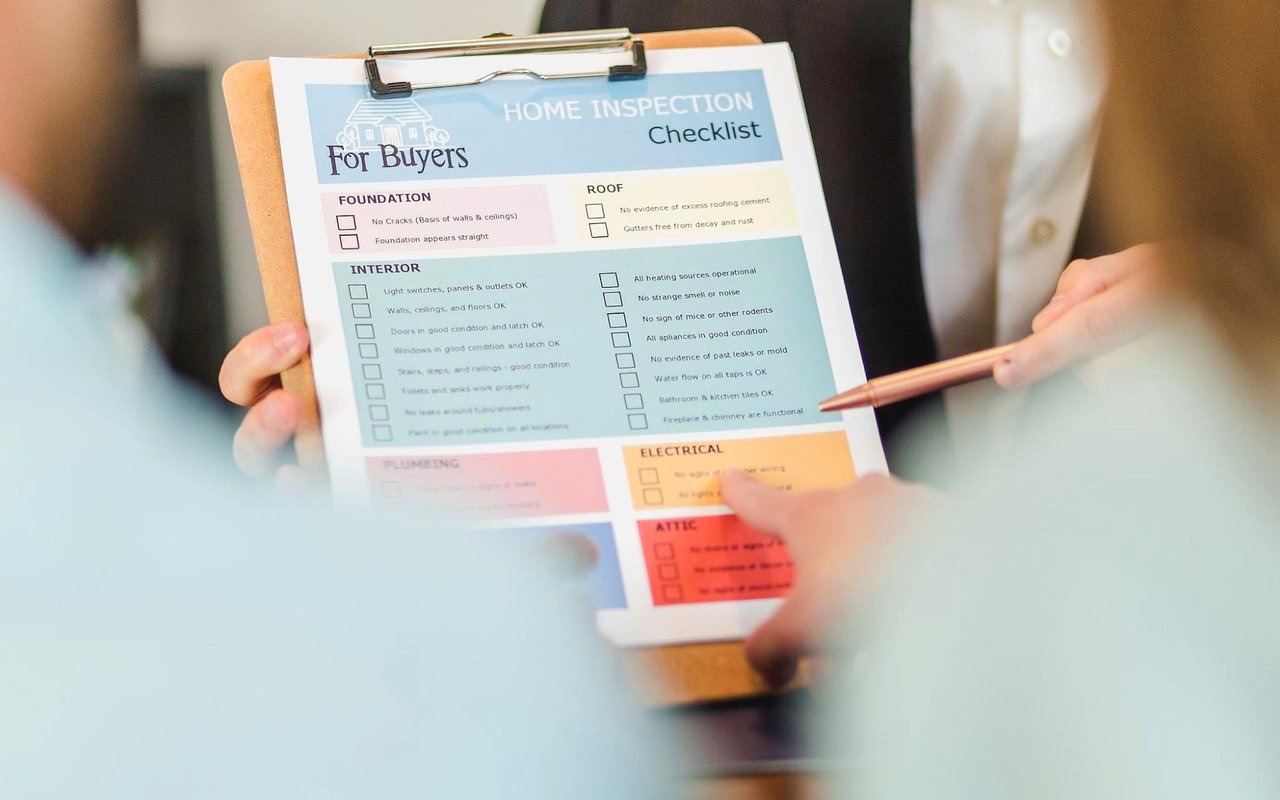
The home inspection is usually one of the first major milestones after acceptance, and it is also one of the most consequential. A licensed inspector will spend a few hours examining the property's systems, structure, and overall condition, and they will then deliver a written report to the buyer detailing anything they found.
It is important to understand that virtually every home inspection turns up something. Older homes, custom builds, and properties with complex systems are especially likely to generate lengthy reports. In Boulder, where many homes have been significantly updated or renovated over the years, inspectors often note a combination of current-code improvements alongside older original components that were installed under different standards.
Buyers have the right to submit requests, listing items from the inspection report that they want to be addressed. Sellers then have the opportunity to respond by agreeing to remedy some, all, or none of the items. If the parties cannot reach an agreement by the deadline, the buyer may have the right to terminate the contract and receive their earnest money back. I work closely with my sellers throughout this negotiation period to ensure that responses are reasonable, strategic, and grounded in what the market supports.
How to Approach Inspection Requests as a Seller
- Review each requested item carefully with me before responding; not every item on an inspection report warrants a repair or closing credit.
- Prioritize items that are safety concerns or those that affect major systems, as these are the requests most likely to resurface with a future buyer if this deal falls through.
- Offering a credit at closing rather than making repairs yourself is often a cleaner solution, as it avoids the risk of repair quality disputes.
- Keep records of any repairs or updates made, including invoices and contractor information, to share with the buyer before closing.
- Respond within the timeframe specified in the contract; missing deadlines can create legal complications and give the buyer grounds to terminate.
The Appraisal and What Sellers Need to Know
Shortly after the inspection window, the appraiser will visit the property to conduct their assessment. As a seller, you should have documentation ready regarding any improvements, renovations, or upgrades you have made to the home, particularly permitted work. Appraisers rely on comparable sales and observable features, but a well-prepared list of upgrades can help ensure that nothing significant is overlooked. In Boulder, where features like energy efficiency upgrades and finished basement square footage can influence value, making sure the appraiser has complete information matters.
If the appraisal comes in at or above the purchase price, the transaction can then move forward without disruption. If it comes in below the purchase price, however, the deal enters a negotiation phase. Buyers and sellers may agree to reduce the price, the buyer may cover the gap in cash, or the parties may request a reconsideration of value from the lender. Each situation is different, and I help my sellers navigate these conversations with a clear understanding of their options and leverage.
How to Prepare Your Home for the Appraisal Visit
- Ensure that all areas of the home are accessible, including the attic, basement, crawl space, and any outbuildings.
- Prepare a written summary of improvements made during your ownership, including approximate dates, costs, and whether the work was permitted.
- Address any obvious deferred maintenance items before the appraiser arrives, as visible wear can influence their perception of condition.
- Be aware of what comparable homes in your neighborhood have sold for recently; I can walk you through the comps so that you know what to expect.
Title Work, Contingencies, and the Clear-to-Close
While the inspection and appraisal are underway, the title company is conducting its own work behind the scenes. The title search examines public records going back decades to confirm that the seller has clear ownership of the property and the right to transfer it. It also identifies any outstanding liens, judgments, or other encumbrances that must be resolved before closing.
As a seller, you may be asked to address title issues that surface during this process. Common examples include unpaid contractor liens, unresolved judgments, or errors in prior deeds. Most of these can be resolved without derailing the transaction, but they do require prompt attention.
Once the inspection resolution is finalized, the appraisal is satisfactory, and the buyer's lender has completed their underwriting review, the lender issues a "clear to close," which signals that all conditions have been met and the transaction is ready to proceed to closing. This is the moment when the finish line comes into view.
Other Contingencies That May Be in Play
- A financing contingency gives the buyer a window to secure their mortgage; if they cannot obtain financing, they may be able to terminate and recover their earnest money.
- A title contingency allows the buyer to object to title issues surfaced during the search; sellers are expected to work toward resolution.
- Some contracts include a sale-of-property contingency, which ties the purchase to the buyer selling their current home first; these can add complexity to the timeline.
The Final Walkthrough and Closing Day
In the days before closing, the buyer will conduct a final walkthrough of the property. This is an opportunity for the buyer to confirm that the home is in the same condition as when they made their offer, that any agreed-upon repairs have been completed, and that all included items remain in place.
As the seller, your goal is to have the home in excellent condition for the final walkthrough. If repairs were agreed upon, ensure that they are completed and that documentation is available. If you have already moved out, walk through the home yourself beforehand to confirm that nothing has been left behind unintentionally and that no new issues have developed since the last time the buyer visited.
Closing itself is the final step. In Colorado, closings are typically handled by the title company, and sellers often sign paperwork in advance or remotely if they have already relocated. At closing, the title is transferred, funds are disbursed, and you officially hand over the keys. Your net proceeds, after paying off any remaining mortgage balance, closing costs, and agent commissions, will be wired to your account or issued as a check, depending on your preference.
What to Expect in the Days Leading Up to Closing
- The title company prepares and delivers closing disclosure documents outlining all financial terms of the transaction.
- You will be asked to sign the deed and other transfer documents, either in person, remotely, or in advance with a notary.
- Utility accounts should be transferred or cancelled effective the date of closing so that the new owner can set up their own accounts.
- Remove all personal belongings from the home before the final walkthrough and leave it in the condition agreed upon in the contract.
FAQs
How Long Does It Typically Take to Close After Accepting an Offer?
Most transactions close within 30 to 45 days of the accepted offer, though cash transactions can close in as little as one to two weeks. The timeline depends largely on the buyer's financing process, how smoothly the inspection and appraisal go, and whether any title issues arise that need to be resolved.
Can a Buyer Still Back Out After Accepting My Counteroffer?
Yes, buyers have the ability to terminate the contract during certain contingency windows, such as the inspection objection period or the financing contingency period, and recover their earnest money. Once all contingencies are removed, the buyer's ability to walk away without forfeiting their earnest money becomes more limited, though the specific terms depend on the contract language.
What Happens If the Buyer's Financing Falls Through?
If the buyer is unable to secure financing and the contract includes a financing contingency, they are typically entitled to terminate and receive their earnest money back. As a seller, this means returning to the market. This is one reason why accepting an offer from a well-qualified, pre-approved buyer is so important and why the strength of the buyer's financial position matters as much as the offer price.
Cross the Finish Line With Confidence
Accepting an offer is a milestone, but it is the beginning of a structured process that requires steady attention and clear communication. Every step of the post-acceptance timeline, from the inspection to the final walkthrough, has its own deadlines, decisions, and potential complications.
The best thing you can do as a seller is stay engaged, respond promptly, and lean on an experienced agent who knows the Boulder real estate market and can help you navigate each stage with clarity. I guide my clients through every step of the closing process, ensuring that the transaction moves forward as smoothly as possible.
If you are selling your home in Boulder, CO, and want an agent who will be with you from accepted offer to closing day and beyond, connect with me, Jennifer Stuckey. I'd love to help you get to the finish line.