Feeling overwhelmed by the idea of selling your Westminster home? You are not alone. Between repairs, paperwork, pricing, and preparing for showings, it can feel like there are too many moving parts to manage at once. The good news is that a clear plan can turn stress into progress, help you avoid common missteps, and put your home in a stronger position before it hits the market. Let’s dive in.
Understand the Westminster market first
Before you paint a wall or book a cleaner, it helps to understand the market you are stepping into. Spring 2026 data points to an active Westminster market, but not one where sellers can skip the details.
Redfin reported a median sale price of $555,000, about two offers on average, and 17 days on market. Realtor.com reported a median listing price of $512,000, a median sold price of $516,750, 371 active listings, 34 days on market, and a 100% sale-to-list ratio. While the numbers vary by source, the message is consistent: buyers are active, but strong pricing and presentation still matter.
Westminster also does not move as one uniform market. Realtor.com data shows wide variation across selected submarkets, with median listing prices ranging from about $200,000 to $850,000 and days on market stretching from the high 20s into the 40s. That is why neighborhood-specific comparable sales matter more than a broad city average.
There is one more local detail to keep in mind. Westminster spans both Adams and Jefferson counties, and the city notes that addresses east of Sheridan Boulevard are in Adams County while those west of it are in Jefferson County. When you are gathering records and reviewing property details, parcel-level accuracy can be especially important.
Start with a full home walkthrough
If you want to go from overwhelmed to market-ready, start by seeing your home the way a buyer and a disclosure form will see it. A full walkthrough helps separate simple cosmetic fixes from issues that may affect disclosures, permits, or buyer questions later.
Colorado’s residential Seller’s Property Disclosure form covers more than many homeowners expect. It asks about roof issues, appliances, electrical and mechanical systems, sewer or septic concerns, flooding and drainage, radon, HOA information, metropolitan district information, and prior investigations or insurance claims.
That means your prep process should not begin with decor alone. It should begin with a practical review of the home’s condition, known issues, and supporting documents.
Gather documents early
One of the easiest ways to reduce stress later is to collect paperwork before your home is listed. This gives you time to find missing records and answer questions while the timeline is still in your control.
Useful documents may include:
- Permit records
- Contractor invoices
- Appliance or system warranties
- Past inspection reports
- HOA documents, if applicable
- Information about any prior insurance claims or investigations
Colorado’s disclosure form also asks whether additions or non-aesthetic alterations were completed with or without a building permit. If you have updated a basement, replaced major systems, added space, or made structural changes, early document gathering can make the listing process smoother.
Prioritize updates that add value
Once you know what you are working with, the next step is deciding what to fix, refresh, and leave alone. In Westminster, this should be done with permit rules in mind.
The city’s residential permit guide says permits are required for work such as roofing replacement, siding or stucco replacement, room additions, garages, HVAC installation or replacement, basement finishes, modifications to electrical, plumbing, mechanical, or structural systems, and changes to window or door size. The city also says homeowners should check with their HOA and the Planning Division before starting a project.
On the other hand, permits are generally not required for painting, floor covering, wallpaper, replacing plumbing fixtures without relocation, changing light fixtures without relocating them, and same-size window replacements. For many sellers, that makes light cosmetic improvements the most efficient place to focus.
Focus on visible improvements
If your goal is to get market-ready without opening a long renovation timeline, prioritize updates that improve first impressions. In many cases, that means selecting projects that are visible to buyers and less likely to create permit complications.
Smart pre-listing improvements often include:
- Fresh paint
- Flooring updates
- Deep cleaning
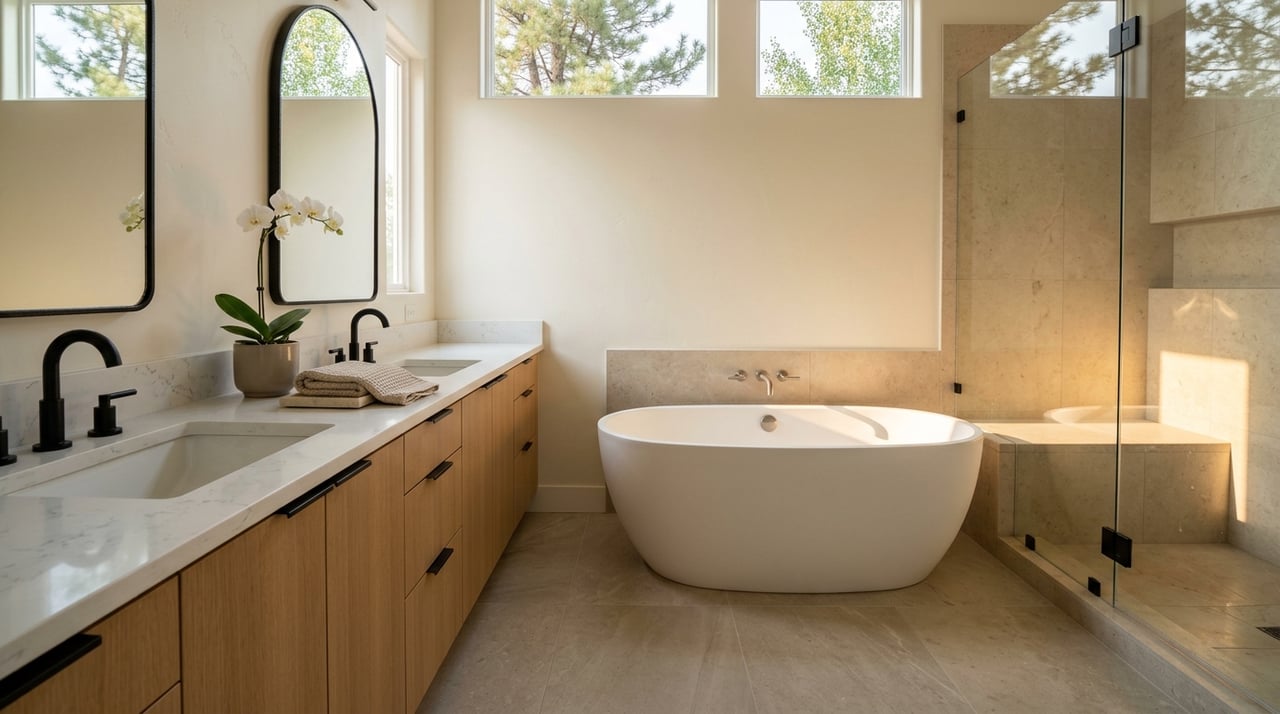
- Minor fixture replacements
- Landscape cleanup
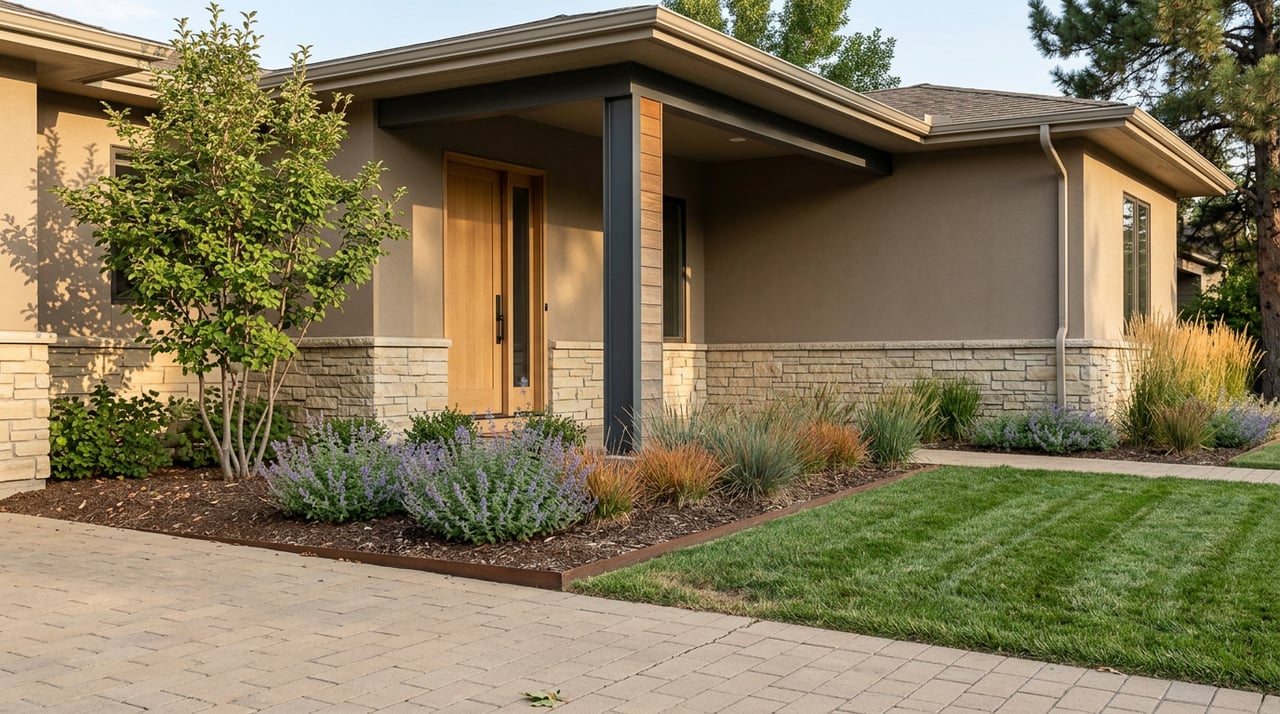
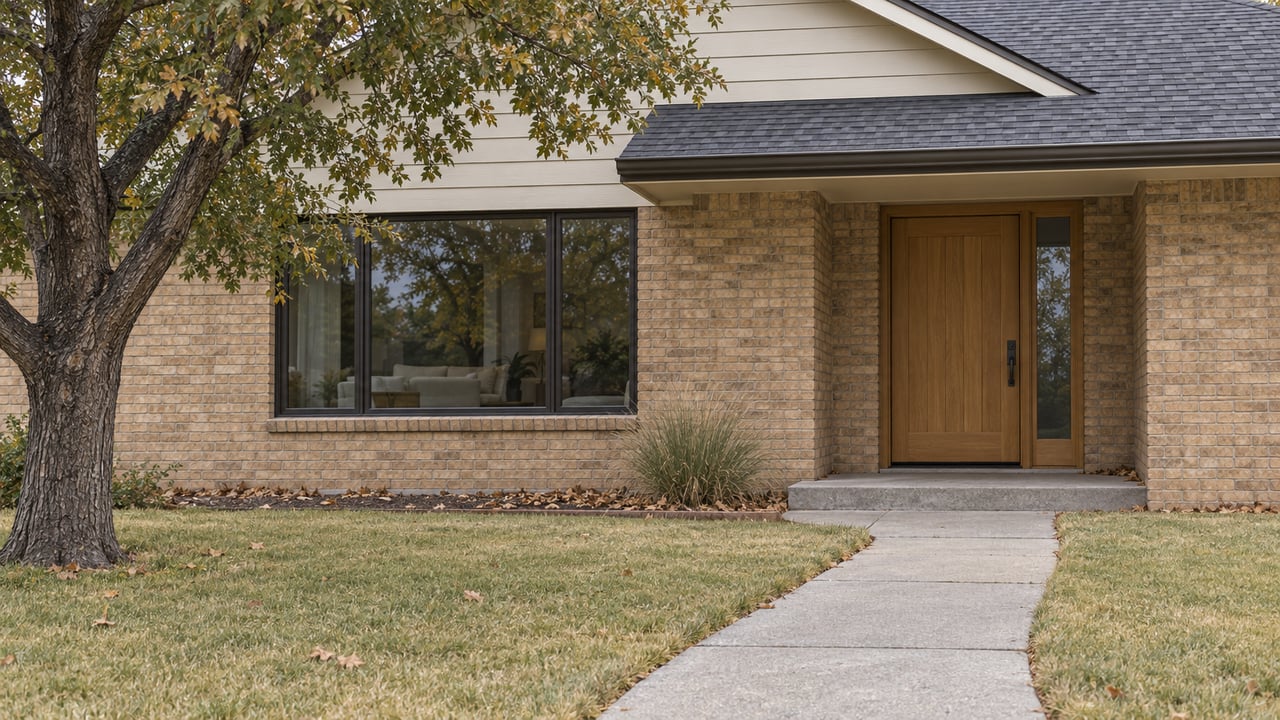
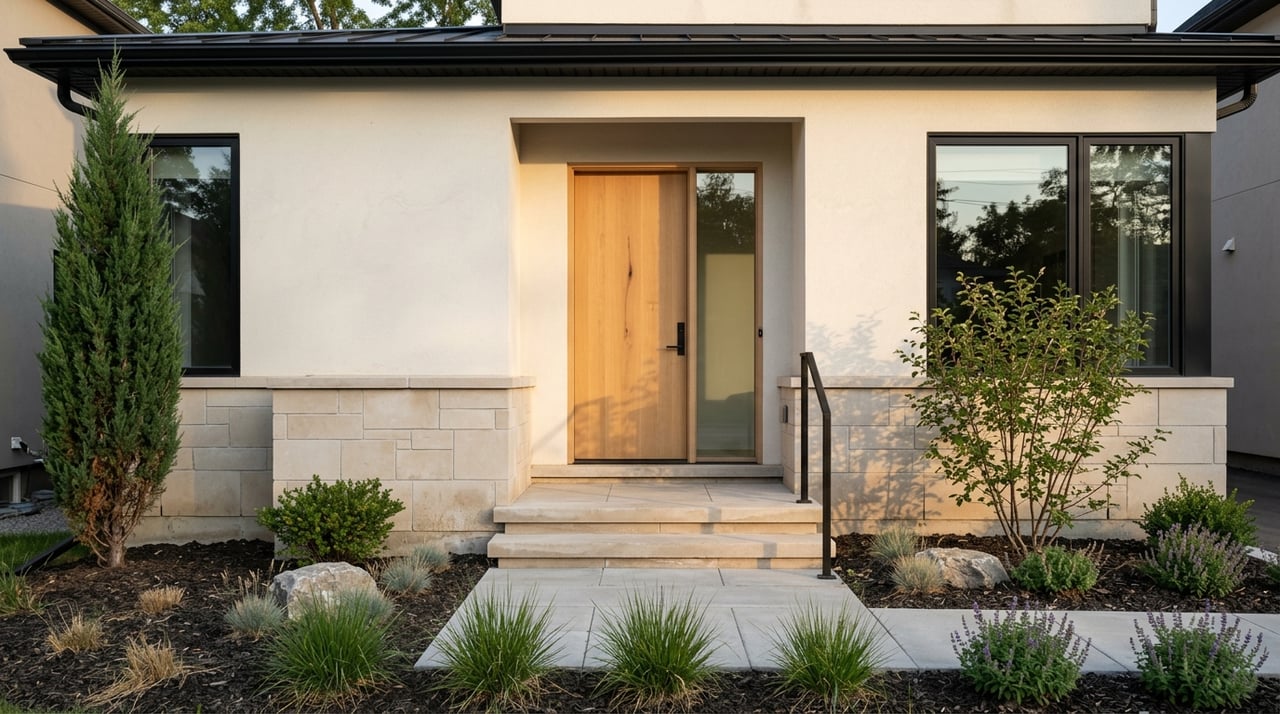
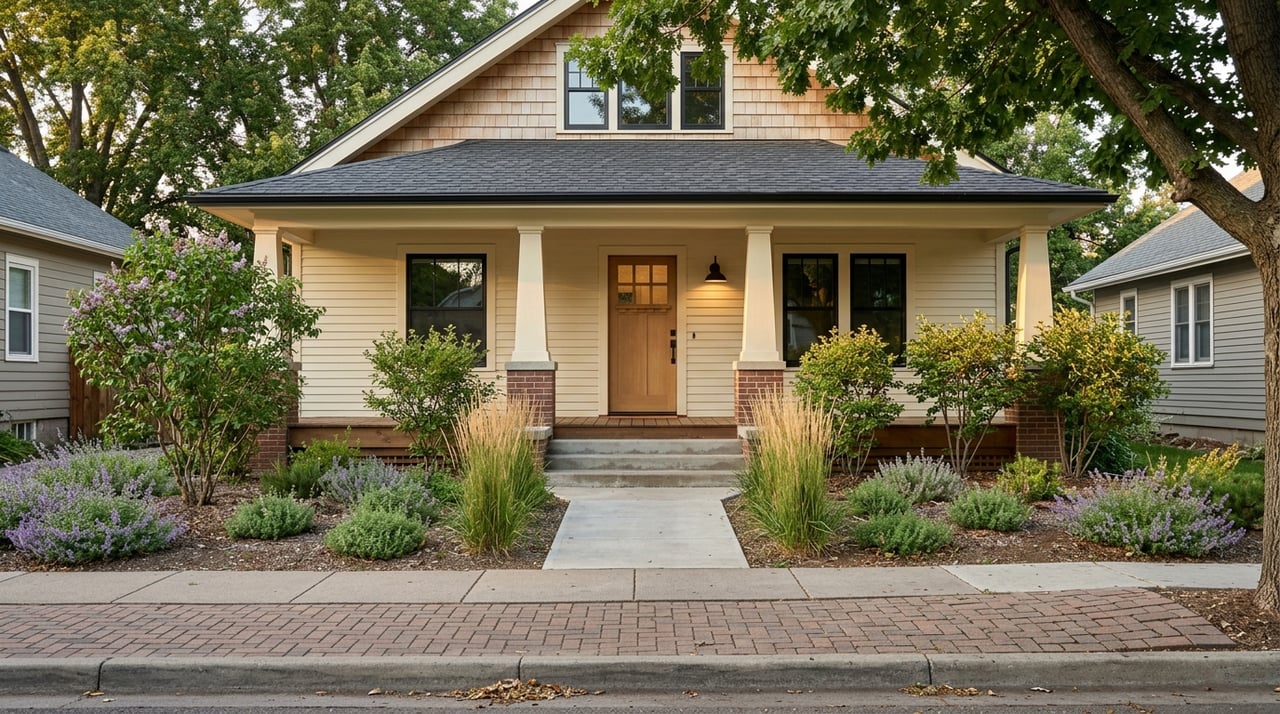
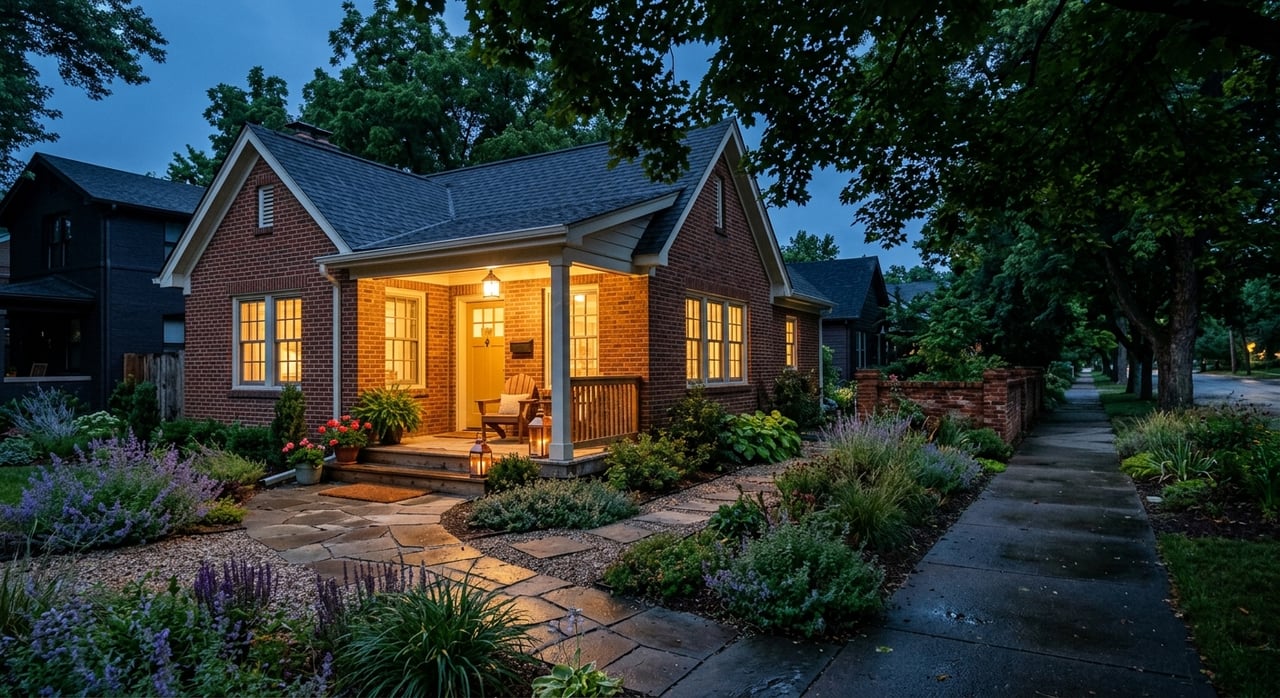
- Curb appeal touch-ups
This approach can help you improve presentation without turning your home into a construction zone right before listing.
Use caution with older homes
If your home was built before 1978, be thoughtful about any work that could disturb old paint. HUD advises homeowners to avoid creating lead dust during remodeling, renovation, or maintenance, because lead paint can be a health risk in older housing.
That matters if your prep plans include sanding, scraping, or repainting older surfaces. If you are unsure how to handle updates safely, it is better to slow down and plan carefully than rush into a project that creates avoidable issues.
Prepare for the online first impression
Today, many buyers begin online, and that first impression carries real weight. NAR reported that 43% of buyers started their home search by browsing properties online, which means your listing needs to perform well before anyone ever walks through the front door.
This is where presentation stops being optional and starts becoming strategy. Buyers are often comparing multiple homes quickly, so the quality of your photos, staging, and listing details can shape whether they schedule a showing or move on.
Declutter, clean, and simplify
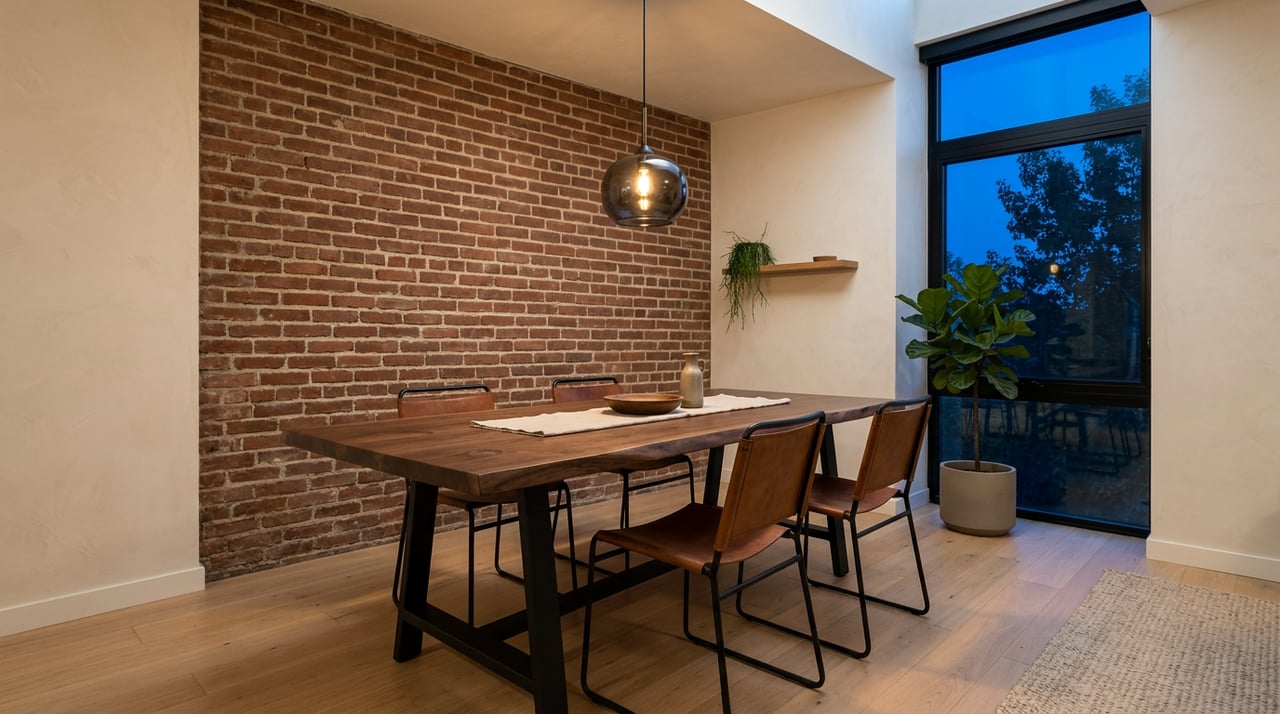
According to NAR’s 2025 staging report, the most common seller-prep recommendations were decluttering, cleaning the entire home, and improving curb appeal. Those three steps may sound basic, but they are often the foundation of a polished launch.
Decluttering helps rooms feel larger and calmer. A deep clean signals care and maintenance. Better curb appeal improves the first photo, the first drive-by, and the first few seconds of every showing.
Pay special attention to key rooms
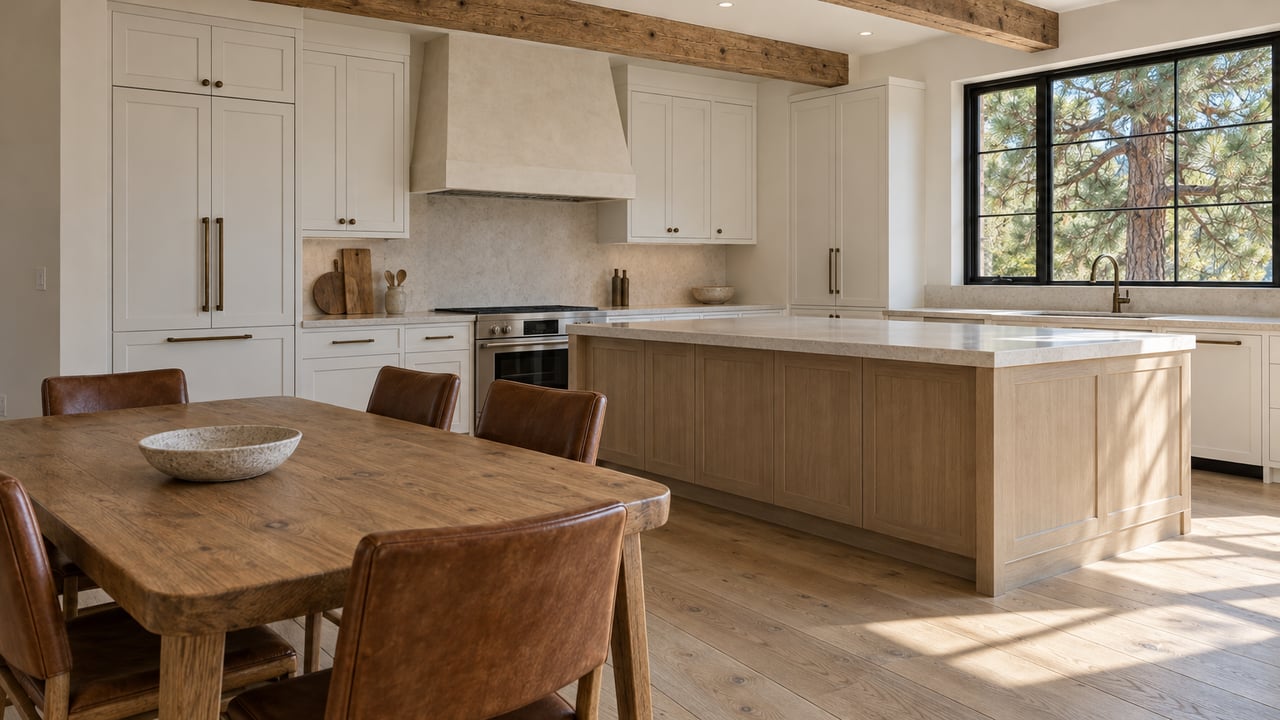
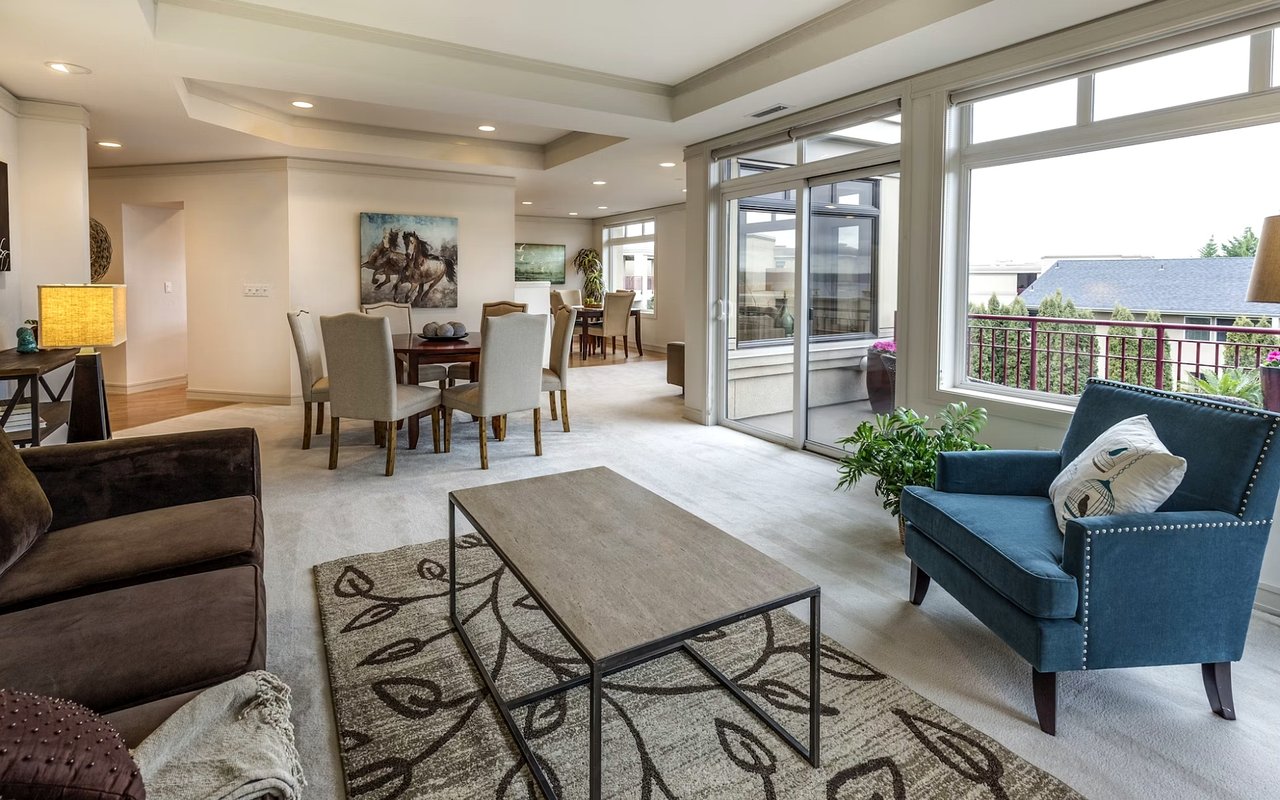
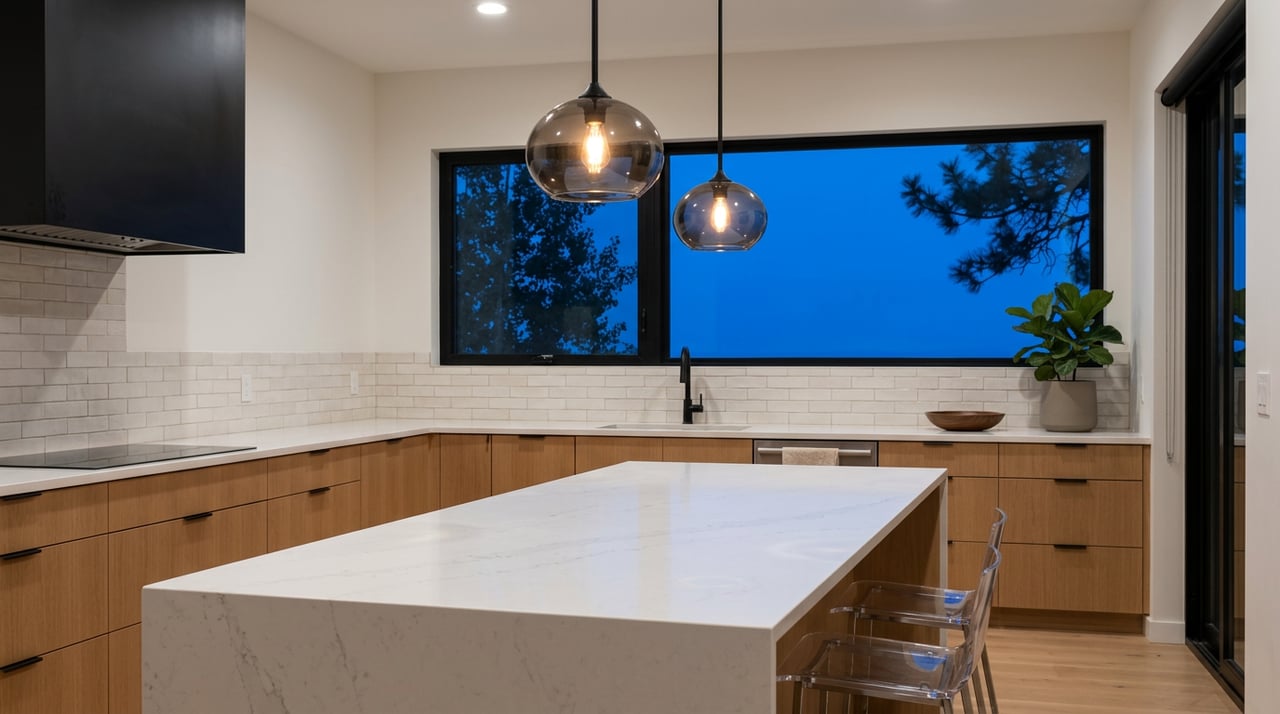
The same NAR report found that the rooms buyers cared about most were the living room, primary bedroom, and kitchen. If your time and budget are limited, these spaces deserve extra attention.
Ask yourself whether each room feels bright, open, and easy to understand. Buyers should be able to see the function of the room quickly and imagine how they might use it.
Strong photos can support stronger results
NAR found that listing photos were rated highly important by 73% of buyers’ agents. Physical staging, videos, and virtual tours also played a meaningful role in how buyers evaluated homes.
The report also found that 29% of agents saw staged homes receive a 1% to 10% higher offered value, and 49% saw staging reduce time on market. That does not mean every home needs a full redesign, but it does show why thoughtful presentation can have a real impact.
Build a launch plan, not just a listing date
A successful sale is not just about getting your home online. It is about launching with the right combination of price, timing, condition, and marketing so that your first wave of exposure is as strong as possible.
That matters in Westminster, where buyers still have options and neighborhood conditions can vary significantly. A rushed launch with unfinished prep, weak photos, or unclear pricing can make it harder to create momentum.
Price with local context
Because Westminster includes a wide range of price points and market speeds, pricing should reflect your specific area and property type. A citywide average may offer context, but it will not replace neighborhood-level comparable sales.
This is especially important in a city that crosses county lines. Accurate records, local comps, and careful review of property details can help support a cleaner pricing strategy from day one.
Aim for a finished presentation
When your home launches, buyers should see a complete product, not a work in progress. That means prep work, photography, and marketing materials should feel coordinated and intentional.
For busy sellers, this is often the point where high-touch support makes the biggest difference. Coordinating cleaners, painters, landscapers, stagers, photographers, and small repairs can be time-consuming, especially if you are balancing work, family, and a move.
Do not overlook the paperwork side
It is easy to focus on paint colors and curb appeal while pushing paperwork to the side. In reality, seller prep in Colorado is both visual and administrative.
Colorado’s residential Seller’s Property Disclosure form is broad, and sellers should be ready to address known issues involving the roof, appliances, electrical and mechanical systems, sewer or septic, flooding or drainage, radon, HOA status, metro district status, permits, and prior reports or claims.
This is one reason a document-first prep process can be so helpful. When your records are organized early, you can move into listing, negotiations, and contract deadlines with more clarity and fewer last-minute surprises.
Why a concierge-style approach helps
Selling a home can feel like a second full-time job. If you are trying to manage vendors, prep decisions, pricing, paperwork, and showings on your own, it is easy to feel stuck before the process even starts.
A concierge-style approach can help by turning a long to-do list into a clear sequence of steps. Instead of wondering what to do first, you can focus on the highest-impact items, keep the timeline moving, and avoid spending time or money in the wrong places.
For Westminster sellers, that kind of support can be especially valuable when the goal is not just to list, but to launch well. Preparation, presentation, and detail management often shape how smoothly the sale moves from listing to closing.
If you are getting ready to sell and want a calm, organized plan for your Westminster home, Jennifer Stuckey offers hands-on guidance, staging insight, and concierge-style support designed to make the process feel more manageable.
FAQs
What should Westminster sellers do before listing a home?
- Start with a full home walkthrough, gather disclosure-related documents, review any past updates or permits, and focus on cleaning, decluttering, and visible cosmetic improvements before listing.
Do I need permit records to sell a home in Westminster?
- Colorado’s Seller’s Property Disclosure form asks about additions and non-aesthetic alterations completed with or without permits, so gathering permit records early can help you prepare accurate disclosures.
Which home updates usually matter most before selling in Westminster?
- Light, visible updates such as paint, flooring, deep cleaning, fixture changes, and curb appeal improvements are often the most practical pre-listing projects, especially when they avoid permit complications.
Why does staging matter when selling a Westminster home?
- NAR’s 2025 staging research found that staged homes may receive stronger offers and spend less time on market, and buyers’ agents rated photos, staging, videos, and virtual tours as important parts of the home search process.
Why is pricing a Westminster home different from using a citywide average?
- Westminster pricing varies widely by submarket, with selected neighborhood median listing prices ranging from about $200,000 to $850,000, so neighborhood-specific comparable sales are more useful than a single citywide number.