By Jennifer Stuckey
Your home should be a place where you feel your best, and the air you breathe inside it plays a bigger role in that than most people realize. Indoor air quality affects how well you sleep, how clearly you think, and how you feel on a day-to-day basis. The good news is that improving it doesn't require a major renovation or expensive equipment; it comes down to a handful of smart, intentional choices that add up quickly.
Boulder residents tend to be health-conscious by nature, and that same mindset that drives outdoor adventure and clean eating belongs inside your home, too. Whether you've just moved into a new space or you've been in your home for years, there's almost always room to make the air cleaner, fresher, and more comfortable to breathe.
This guide walks you through the most effective strategies for improving indoor air quality, from the products worth investing in to the everyday habits that make a real difference. Small changes here compound over time, and your lungs will thank you for starting sooner rather than later.
Key Takeaways
- Air purifiers with HEPA filters are one of the most effective tools for removing fine particles from your indoor air.
- Ventilation is key; opening the windows regularly and using exhaust fans prevents stale air from building up.
- Houseplants offer a natural way to support cleaner air while adding warmth and texture to your living space.
- Routine cleaning and reducing synthetic products significantly cuts down on the pollutants circulating in your home.
- Humidity control matters as much as filtration; keeping indoor moisture levels balanced prevents mold and dust mites from thriving.
Invest in the Right Air Purifier
Not all air purifiers are created equal, and understanding what you're buying makes a noticeable difference in the results you'll see. The most important thing to look for is a true HEPA filter, which captures particles as small as 0.3 microns, including dust, pet dander, pollen, and mold spores. Activated carbon filters are a helpful addition for neutralizing gases and chemical compounds that HEPA alone doesn't address.
Placement matters just as much as the purifier itself. A unit tucked in a corner behind furniture won't circulate air effectively. Position your purifier in the room where you spend the most time, ideally in an open area with proper airflow around it. For most households, that's the bedroom or the main living space.
Pay attention to the CADR rating, which stands for Clean Air Delivery Rate. This tells you how quickly the purifier cleans air in a given room size. Running a unit that's undersized for your space means it's working harder than it should without delivering the results you're looking for.
Placement matters just as much as the purifier itself. A unit tucked in a corner behind furniture won't circulate air effectively. Position your purifier in the room where you spend the most time, ideally in an open area with proper airflow around it. For most households, that's the bedroom or the main living space.
Pay attention to the CADR rating, which stands for Clean Air Delivery Rate. This tells you how quickly the purifier cleans air in a given room size. Running a unit that's undersized for your space means it's working harder than it should without delivering the results you're looking for.
What To Look For in an Air Purifier
- True HEPA filtration that captures particles 0.3 microns and smaller.
- An activated carbon layer for absorbing gases, VOCs, and other compounds.
- A CADR rating appropriate for the square footage of the room where you'll use it.
- A filter replacement indicator so that you're never running an expired filter without knowing it.
- A quiet mode for nighttime use, especially in the bedroom.
Improve Ventilation Throughout Your Home
Filtration only goes so far if your home isn't getting fresh air in and stale air out. Ventilation is the foundation of indoor air quality, and it's one of the most overlooked pieces of the puzzle. Simply opening the windows for 10 to 20 minutes a day, when outdoor conditions are pleasant, can dramatically reduce the concentration of indoor pollutants.
Kitchen and bathroom exhaust fans are there for a reason, and using them consistently makes a noticeable difference. Cooking releases particulate matter, grease, and gases into the air, particularly when using a gas range. Running the exhaust fan every time you cook, not just when something burns, keeps those compounds from spreading through your home. The same logic applies to the bathroom fan after showers, which removes moisture before it has a chance to settle into walls or ceilings.
If your home has a mechanical ventilation system, make sure you're changing the filters on schedule. A clogged HVAC filter recirculates everything it was designed to catch. Most filters should be replaced every 60 to 90 days, though homes with pets or high foot traffic benefit from more frequent changes.
Kitchen and bathroom exhaust fans are there for a reason, and using them consistently makes a noticeable difference. Cooking releases particulate matter, grease, and gases into the air, particularly when using a gas range. Running the exhaust fan every time you cook, not just when something burns, keeps those compounds from spreading through your home. The same logic applies to the bathroom fan after showers, which removes moisture before it has a chance to settle into walls or ceilings.
If your home has a mechanical ventilation system, make sure you're changing the filters on schedule. A clogged HVAC filter recirculates everything it was designed to catch. Most filters should be replaced every 60 to 90 days, though homes with pets or high foot traffic benefit from more frequent changes.
Ventilation Habits Worth Building
- Open the windows on mild days to let fresh air move throughout the home.
- Run the kitchen exhaust fan during and after every cooking session.
- Use the bathroom fan for at least 15 to 20 minutes after a shower.
- Replace the HVAC filters every 60 to 90 days, or more often in high-use homes.
- Consider a whole-home energy recovery ventilator (ERV) if you want consistent fresh air exchange year-round.
Choose Houseplants That Support Cleaner Air
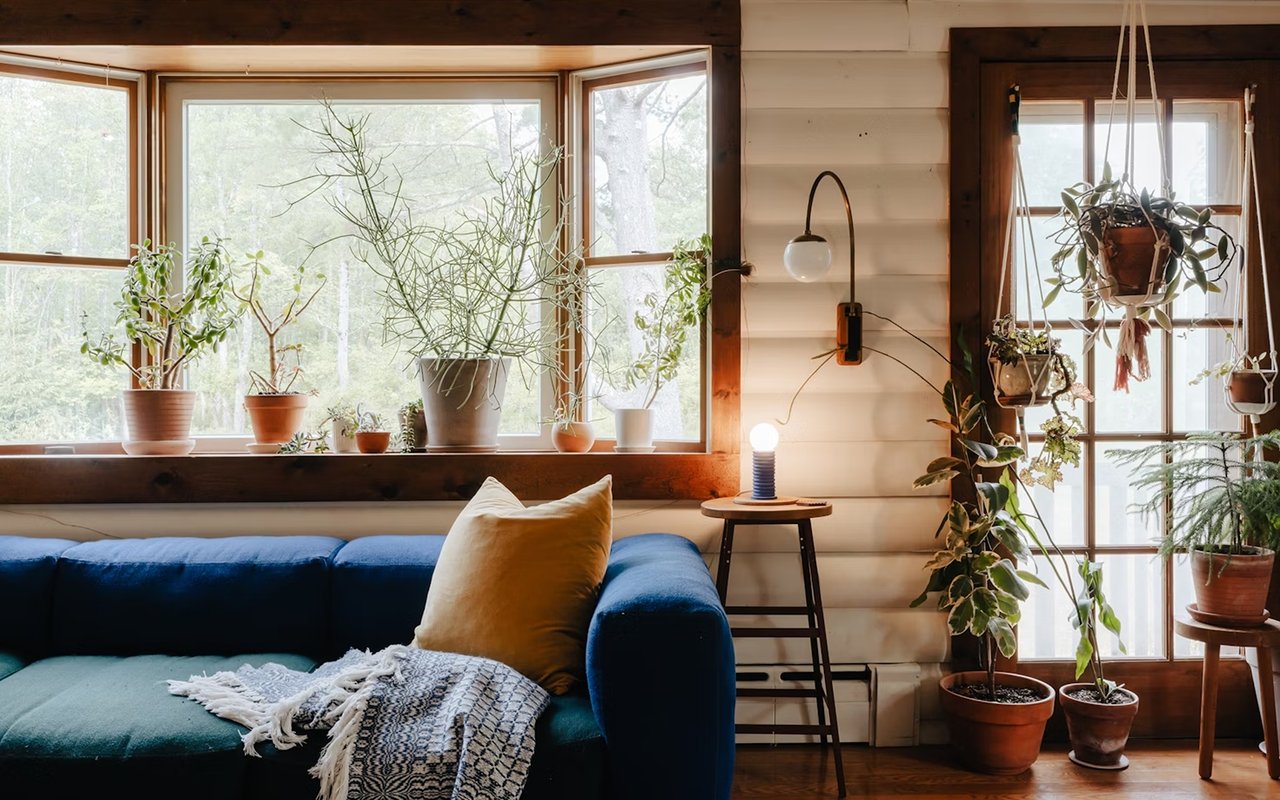
Houseplants are one of the more pleasant tools in your indoor air quality toolkit. Certain varieties absorb carbon dioxide and release oxygen through photosynthesis, and some research suggests they may help filter trace levels of airborne compounds. The effect is subtle compared to a mechanical air purifier, but plants offer something a machine can't: a living, breathing presence that also reduces stress and improves the look and feel of a room.
Snake plants, pothos, spider plants, and peace lilies are among the most commonly recommended options for indoor air support. They're also low-maintenance, which matters for busy households. Boulder's naturally bright and active lifestyle means people are often on the go, so a plant that doesn't require constant attention is the right fit.
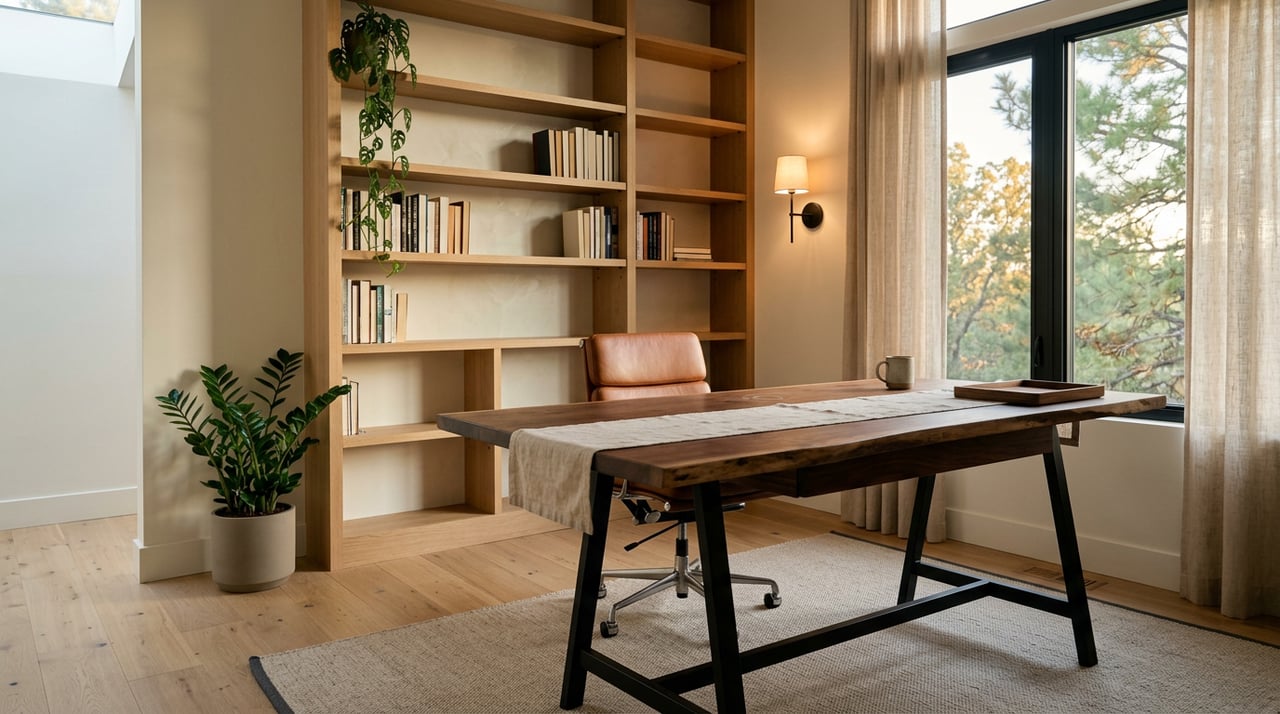
Position plants in rooms where you spend the most time, and group several together if you want a more noticeable effect. A single plant in a large room won't move the needle much, but a cluster of five or six near a window, especially in a bedroom or home office, creates a micro-environment that feels much more vibrant.
Snake plants, pothos, spider plants, and peace lilies are among the most commonly recommended options for indoor air support. They're also low-maintenance, which matters for busy households. Boulder's naturally bright and active lifestyle means people are often on the go, so a plant that doesn't require constant attention is the right fit.
Position plants in rooms where you spend the most time, and group several together if you want a more noticeable effect. A single plant in a large room won't move the needle much, but a cluster of five or six near a window, especially in a bedroom or home office, creates a micro-environment that feels much more vibrant.
Best Houseplants for Indoor Air Quality
- Snake plant, which thrives with minimal watering and indirect light.
- Pothos, one of the most forgiving and adaptable plants for any room.
- Spider plant, known for its resilience and ability to filter certain airborne compounds.
- Peace lily, which prefers low light and adds a soft, elegant touch to any space.
- Rubber tree, a bold statement plant that also performs well in indoor conditions.
Reduce Chemical Sources Inside Your Home
Many of the products you use every day, from cleaning supplies to candles to air fresheners, introduce synthetic compounds into your indoor air that accumulate over time. VOCs, or volatile organic compounds, are released by a range of common household products and can affect air quality and comfort when they build up in a closed space.
Switching to plant-based or fragrance-free cleaning products is one of the most effective changes you can make. You don't need to eliminate every product in your home overnight; even replacing a few of the most frequently used items makes a difference. Look for products that are labeled low-VOC or free from synthetic fragrance.
Candles are another source of indoor air compounds worth reconsidering. Paraffin candles release more particulates than natural alternatives. If you love candlelight, beeswax or soy candles with cotton wicks burn cleaner and still create the same warm atmosphere.
Switching to plant-based or fragrance-free cleaning products is one of the most effective changes you can make. You don't need to eliminate every product in your home overnight; even replacing a few of the most frequently used items makes a difference. Look for products that are labeled low-VOC or free from synthetic fragrance.
Candles are another source of indoor air compounds worth reconsidering. Paraffin candles release more particulates than natural alternatives. If you love candlelight, beeswax or soy candles with cotton wicks burn cleaner and still create the same warm atmosphere.
Everyday Swaps That Cut Indoor Pollutants
- Replace synthetic air fresheners with essential oil diffusers or simply open the windows.
- Choose fragrance-free or plant-based cleaning products where possible.
- Opt for beeswax or soy candles instead of paraffin varieties.
- Store paints, adhesives, and chemical products in the garage or a well-ventilated area rather than inside the home.
- Avoid dry-cleaning clothes more often than necessary, and air them out before bringing them inside.
Control Humidity Levels Year-Round
Humidity is one of those factors that affects everything else. Too much moisture in the air creates conditions where mold and dust mites thrive. Too little causes dry skin, irritated sinuses, and static buildup. The ideal indoor humidity level sits between 30 and 50 percent, and keeping it there is one of the most impactful things you can do for your home's air quality.
In Boulder, where the climate can shift between very dry and seasonally more humid, a hygrometer is worth considering. It's a small, inexpensive device that tells you the current humidity level in any room.
Bathrooms and kitchens deserve special attention because they generate moisture regularly. Wiping down surfaces after use, fixing any slow drips or leaks promptly, and making sure areas under sinks stay dry all prevent the conditions where mold takes hold.
In Boulder, where the climate can shift between very dry and seasonally more humid, a hygrometer is worth considering. It's a small, inexpensive device that tells you the current humidity level in any room.
Bathrooms and kitchens deserve special attention because they generate moisture regularly. Wiping down surfaces after use, fixing any slow drips or leaks promptly, and making sure areas under sinks stay dry all prevent the conditions where mold takes hold.
Humidity Control Essentials
- Use a hygrometer to monitor moisture levels in key rooms.
- Run a humidifier in dry months to keep levels above 30 percent.
- Use a dehumidifier in basements, bathrooms, or any area prone to moisture buildup.
- Fix leaks and drips promptly before moisture spreads to surrounding materials.
- Ensure that dryer vents and exhaust systems are properly ducted to the outside and not recirculating moist air indoors.
FAQs
How Often Should I Change My Home Air Filter?
Most standard HVAC filters should be changed every 60 to 90 days. If you have pets, live with someone who has allergies or asthma, or your home sees a lot of foot traffic, every 30 to 45 days is a better target. Check the manufacturer's recommendation for your specific filter type, and make it a habit to check monthly.
Do Air Purifiers Actually Make a Difference?
Yes, particularly in rooms where you spend the most time. Air purifiers with true HEPA filters have been shown to significantly reduce concentrations of fine particles, pet dander, and other common indoor pollutants. The key is using the right-sized unit for the space and keeping the filter current.
Can Houseplants Alone Improve Air Quality Enough?
Houseplants support a healthier environment and offer real benefits, but they work best as part of a broader approach rather than a standalone solution. Pairing plants with ventilation, regular cleaning, and a quality air purifier gives you the most comprehensive results.
Breathe Easier in the Home You Love
Creating a home with clean air doesn't have to be complicated or costly. It comes down to a few smart investments, building some consistent habits, and paying attention to the products and materials already inside your space. Each change reinforces the others, and the cumulative effect is a home that feels better to live in every single day.
If you're searching for a home in Boulder that already has the features and layout to support a healthy lifestyle, I'd love to help you find it. Reach out to me, Jennifer Stuckey, and let's find a space where you can truly thrive.
If you're searching for a home in Boulder that already has the features and layout to support a healthy lifestyle, I'd love to help you find it. Reach out to me, Jennifer Stuckey, and let's find a space where you can truly thrive.