By Jennifer Stuckey
The quality of your sleep often has less to do with how tired you feel at night and more to do with the space you sleep in. If you find yourself waking at odd hours, struggling to wind down in the evening, or dragging through your mornings feeling sluggish, the answer may be sitting in your own bedroom. Light, temperature, sound, and even the materials around you all send signals to your mind about whether it is time to rest or time to stay alert.
The good news is that you do not need a full-scale renovation to build a home that supports better sleep. Thoughtful, intentional adjustments can make a noticeable difference in how quickly you drift off and how deeply you stay asleep. In a place like Boulder, where cool mountain evenings and long stretches of natural quiet already work in your favor, a few smart design decisions can help you take full advantage of the setting.
This guide will walk you through the practical, room-by-room changes that turn an ordinary home into a place built for rest. Whether you are settling into a new property or reworking a space you have lived in for years, you will find approaches here that are easy to apply and effective.
Key Takeaways
- A calming bedroom layout, with the bed positioned thoughtfully and clutter kept to a minimum, sets the foundation for restful sleep.
- Controlling natural and artificial light throughout the day helps regulate your body's internal clock and makes falling asleep easier.
- Managing temperature and sound creates the cool, quiet conditions your body needs to reach deeper stages of rest.
- Choosing breathable bedding and natural materials supports comfort and consistent sleep quality over time.
- Extending calming design beyond the bedroom reinforces a whole-home rhythm that prepares you for rest each evening.
Start With a Bedroom Layout That Invites Calm
The way a bedroom is arranged shapes how it feels the moment you walk in. A room that feels cramped, cluttered, or chaotic keeps your mind in a low state of alertness, which is the opposite of what you want when you are trying to unwind.
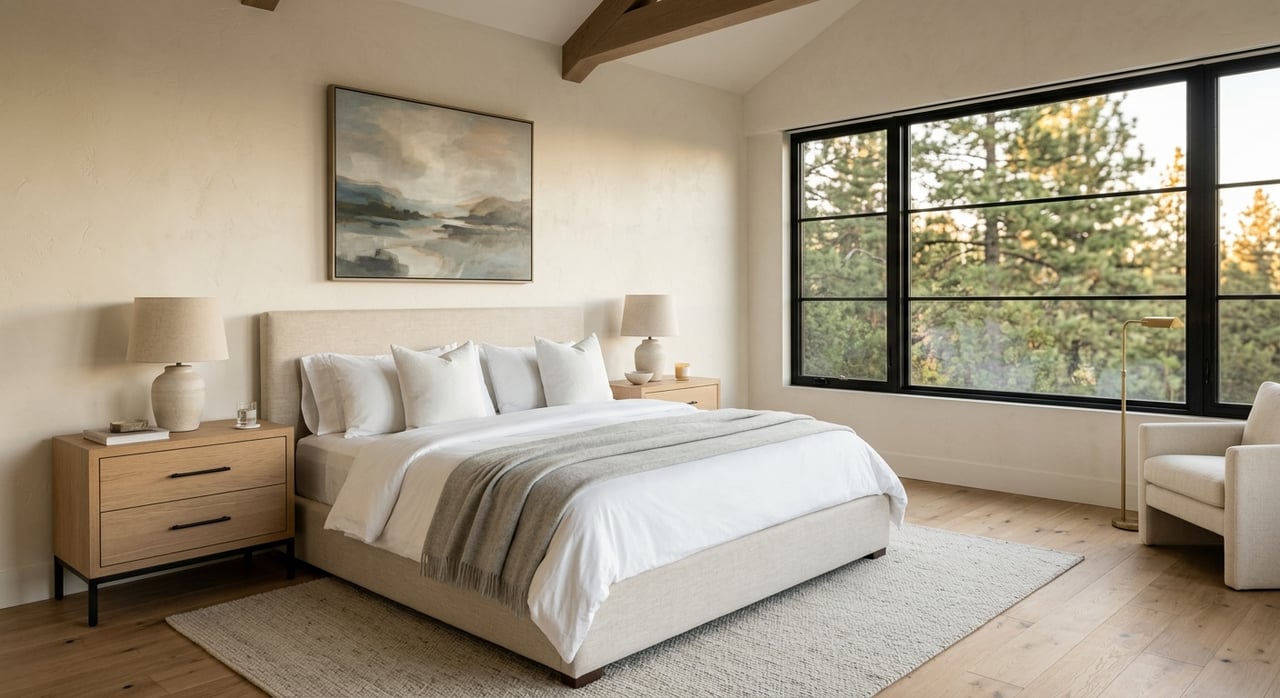
A room that feels open and orderly, on the other hand, signals to your brain that it is safe to slow down. This begins with the placement of the bed, which should ideally sit against a solid wall with a clear view of the doorway and enough space to move comfortably on either side.
Beyond the bed itself, consider how much visual noise fills the space. Piles of laundry, stacks of paperwork, and screens that glow through the night all compete for your attention. A restful bedroom keeps surfaces clear and reserves the room for rest rather than work. If you have the square footage, keeping desks, exercise equipment, and other daytime activities in separate areas of the home helps your mind associate the bedroom with sleep alone.
Homes in Boulder often feature expansive windows that frame the mountain and open-space views, which is a true advantage. Arranging your furniture so that you can enjoy those views during the day while still being able to darken the room at night gives you the best of both worlds.
What To Focus On
- Position the bed against a wall with clear sightlines to the door and room to walk on both sides.
- Keep nightstands and dressers tidy, reserving surfaces for only a few calming essentials.
- Remove work materials, screens, and clutter that pull your attention away from rest.
- Choose a soft, layered lighting setup rather than a single harsh overhead fixture.
- Leave open floor space so the room feels uncluttered and easy to move through.
Control Light From Dusk to Dawn
Light is one of the most powerful signals your body uses to regulate its sleep and wake cycle. Exposure to bright, natural light during the morning and daytime helps set a strong internal rhythm, while dimming the lights in the evening tells your mind that rest is approaching. When these signals get scrambled, so does your sleep. That is why controlling light, both natural and artificial, is one of the highest-impact changes you can make.
In the evening, aim to lower the intensity of the light throughout your home. Warm-toned bulbs, dimmer switches, and lamps placed at eye level rather than overhead all create a softer atmosphere that eases the transition toward sleep. Reducing screen time in the hour before bed, or at least dimming device brightness, limits the blue light that can keep your mind wired.
At night, darkness matters. Boulder's clear skies and bright mountain mornings are beautiful, though early sunlight can pull you awake before you are ready. Blackout curtains or layered window treatments give you control over exactly how much light enters the room, so you can rest until you actually want to rise.
How To Manage Light
- Open the curtains and let in bright natural light during the morning to anchor your internal clock.
- Switch to warm-toned, dimmable bulbs in the evening to signal that rest is near.
- Reduce screen brightness or step away from devices in the hour before bed.
- Install blackout curtains or layered shades to keep early sunlight from waking you too soon.
- Add a low, warm nightlight in hallways so late-night trips do not require bright overhead lighting.
Fine-Tune Temperature and Sound
Your body naturally cools down as it prepares for sleep, so a bedroom that runs slightly cool supports that process far better than one that feels warm and stuffy. Most people rest most successfully in a room that sits on the cooler side, and the crisp evenings that Boulder is known for make this easy to achieve for much of the year. Opening a window on a cool night, using breathable bedding, and allowing air to circulate all help maintain a comfortable sleeping temperature.
Sound plays an equally important role. Sudden or inconsistent noise can pull you out of deeper sleep stages without fully waking you, leaving you groggy the next day. A steady, gentle background sound, such as a fan or a white noise machine, can mask disruptions and create a consistent audio backdrop. If your home sits near a busier street, well-sealed windows and soft furnishings that absorb sound will help keep the room quiet.
Ventilation ties both of these together. Fresh, moving air keeps a room feeling comfortable and prevents the stuffiness that builds up in a closed space overnight. A ceiling fan or a quiet standing fan can regulate temperature and provide soothing background sound at the same time.
Top Considerations
- Keep the bedroom on the cooler side, adjusting bedding and airflow to match the season.
- Use a fan or white noise source to create a steady, calming background sound.
- Add soft furnishings, such as rugs and upholstered pieces, to absorb noise and soften the room.
- Seal windows well to reduce outside noise and maintain a consistent indoor temperature.
- Circulate fresh air throughout the day so the room feels comfortable.
Choose Bedding and Materials That Support Rest
The surfaces you sleep on and surround yourself with have a direct impact on how comfortable and rested you feel. A supportive mattress suited to your preferred sleeping position forms the base, while breathable sheets and layered blankets let you adjust for warmth without overheating. Natural fibers, such as cotton and linen, tend to regulate temperature better than synthetic options, so they are worth prioritizing when you refresh your bedding.
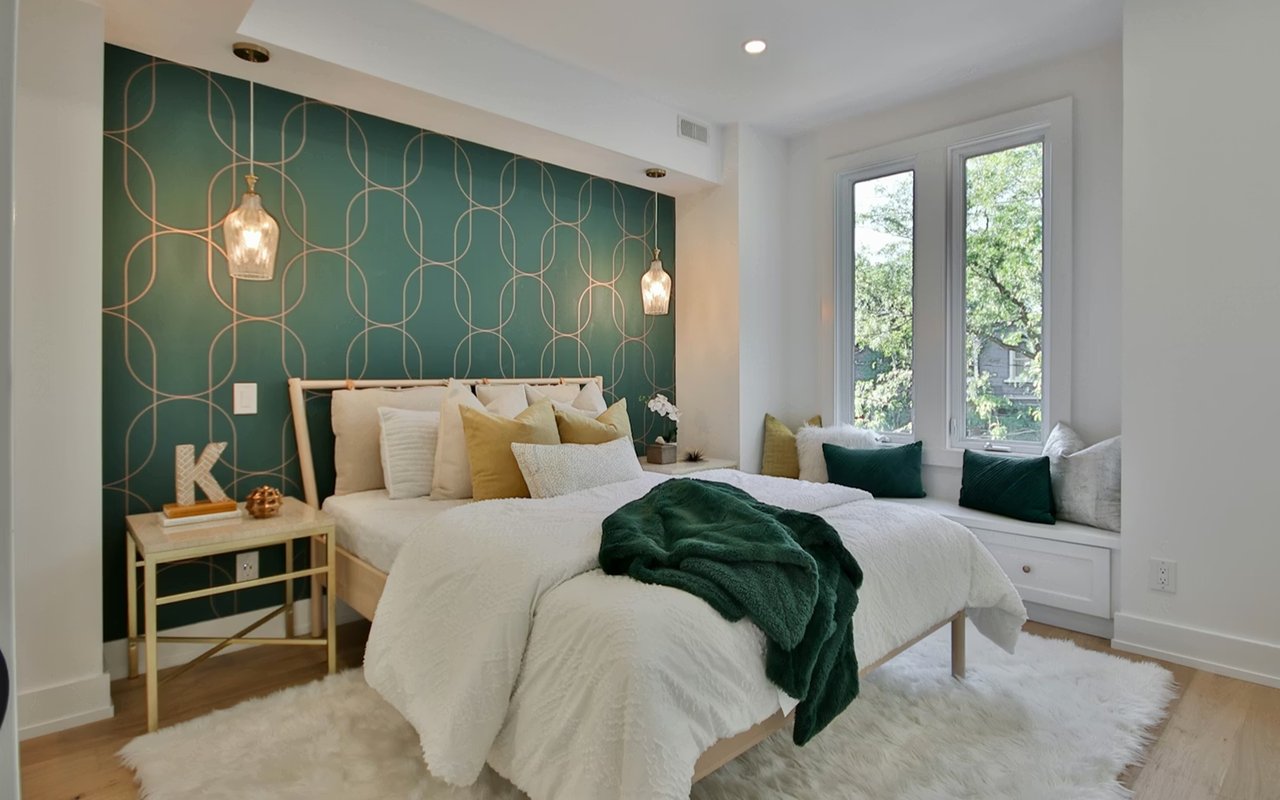
Materials extend beyond the bed itself. Soft rugs underfoot, natural wood tones, and calming, muted colors all contribute to a room that feels restful rather than stimulating. Bright, high-contrast color schemes can feel energizing during the day, though they work against the soothing atmosphere you want at night. Choosing a palette of soft neutrals and gentle earth tones helps the room feel like a place designed for winding down.
It also helps to think about texture and layering. Having a mix of blankets and pillows lets you fine-tune your comfort as the temperature shifts through the night, which is especially useful given how much Boulder's evenings can cool off after a warm afternoon.
What To Look For
- Select a mattress that supports your primary sleeping position and feels comfortable over time.
- Choose breathable, natural-fiber sheets, such as cotton or linen, that regulate temperature well.
- Layer blankets so you can adjust warmth as the temperature changes overnight.
- Decorate with soft, muted colors and natural textures that create a calming mood.
- Add a plush rug underfoot to make the room feel warm and grounded.
FAQs
What Is the Best Temperature for a Bedroom?
Most people sleep best in a room that runs on the cooler side, since the body naturally lowers its temperature as it prepares for rest. The exact temperature varies from person to person, so it helps to experiment with bedding and airflow until you find the range that feels most comfortable to you. Boulder's cool evenings often make this easy to maintain for much of the year.
How Does Light Affect Sleep Quality?
Light is one of the strongest cues your body uses to regulate its sleep and wake cycle. Bright light in the morning helps anchor your internal clock, while dim, warm light in the evening signals that rest is near. Keeping the bedroom dark at night, with blackout curtains or layered shades, helps you stay asleep longer and wake feeling more refreshed.
Do I Need to Renovate to Improve Sleep at Home?
No, meaningful improvements rarely require a renovation. Small, intentional changes, such as adjusting lighting, upgrading bedding, managing sound, and decluttering the bedroom, often make the biggest difference. Many of these adjustments cost little and can be put in place over a single weekend.
Can the Layout of a Home Affect How Well I Sleep?
Yes, the flow and arrangement of a home influence how easily you unwind at the end of the day. A bedroom set apart from noisier, high-activity areas tends to feel more restful, and a layout that keeps work and sleep spaces separate helps your mind associate the bedroom with rest. When you are searching for a home, these layout details are worth weighing carefully.
What Colors Are Best for a Restful Bedroom?
Soft, muted tones tend to create the most calming atmosphere. Gentle neutrals, cool blues, and earthy shades feel soothing and help the room read as a place for winding down. Bright, high-contrast palettes can feel energizing, so they are generally better suited to daytime spaces than to the bedroom.
Rest Begins With the Right Space
A home that supports restful sleep is not the product of luck; it is the result of thoughtful choices about light, temperature, sound, layout, and materials. Each adjustment you make, from softer evening lighting to breathable bedding and a calmer color palette, adds up to a calming space. The reward is deeper, more consistent rest and mornings that feel restorative.
If you are ready to find a Boulder home that supports the lifestyle and rest you deserve, I would love to help. Reach out to me, Jennifer Stuckey, and I will guide you every step of the way toward a home where you can truly settle in and recharge.