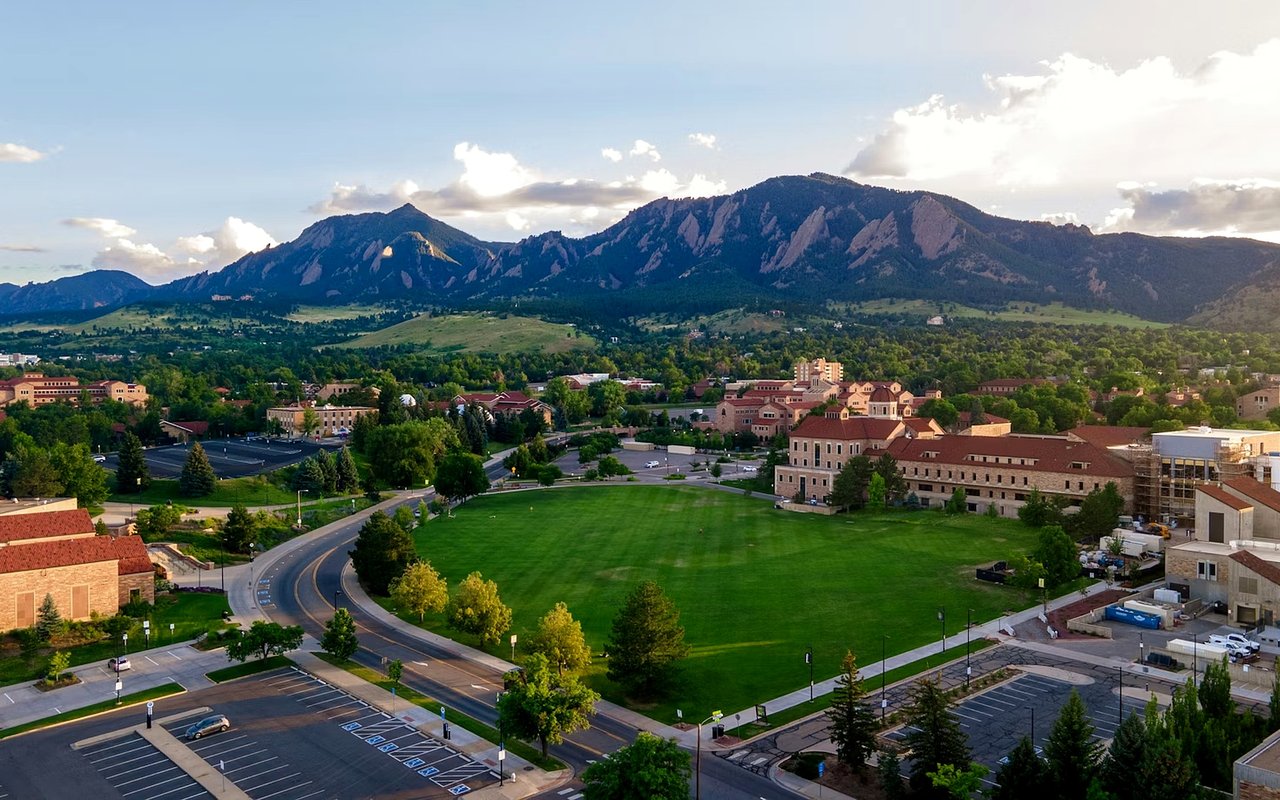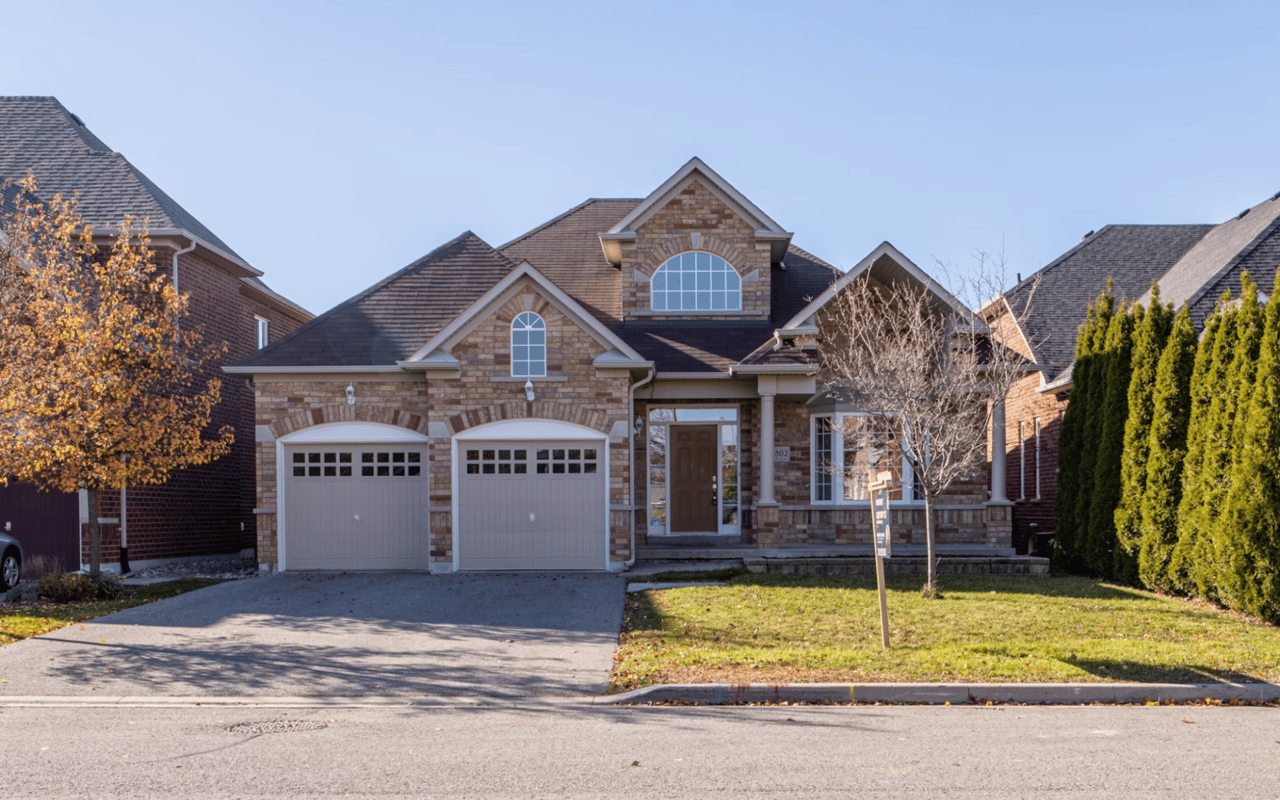
A relocation buyer opens a portal, sees Aurora's median list price sitting around $480,000 in July 2026, and starts penciling in a mortgage. That number is real. It is also close to useless for anyone actually buying a home here. Aurora is the third-largest city in Colorado, it stretches from the CU Anschutz Medical Campus corridor near I-225 out to the E-470 golf communities south of Southlands, and the price you will pay depends far more on which slice you land in than on the citywide figure.
The claim of this post is narrower than that, though. It is this: the biggest hidden lever on Aurora resale prices right now is not the citywide median or the mortgage rate. It is the incentive stack that new-home builders are running in the northeast growth corridor, which quietly resets what a resale seller two ZIPs away can ask.
Four Auroras, Priced Four Different Ways
Look at where the money actually sits. Zillow's home value index for North Aurora, roughly the 80010 to 80011 pocket north of Colfax, sat at about $402,300 in May 2026, down 4.1% year over year. Move southeast to the newer housing around Southlands and the Saddle Rock golf communities in 80016, and the median jumps close to $775,000 in the analysis Norada published for early 2026. That is a spread of roughly $370,000 inside the same city limits.
Here is a rough map of what the sub-markets look like as of Q2 2026:
| Sub-market | Rough ZIPs | Typical price band | Character |
|---|---|---|---|
| Original Aurora and north | 80010, 80011, 80012 | ~$325K–$425K | Older ranches, condos, mid-century stock |
| Central and Meadow Hills | 80014, 80015 | ~$400K–$550K | Established neighborhoods, some HOAs |
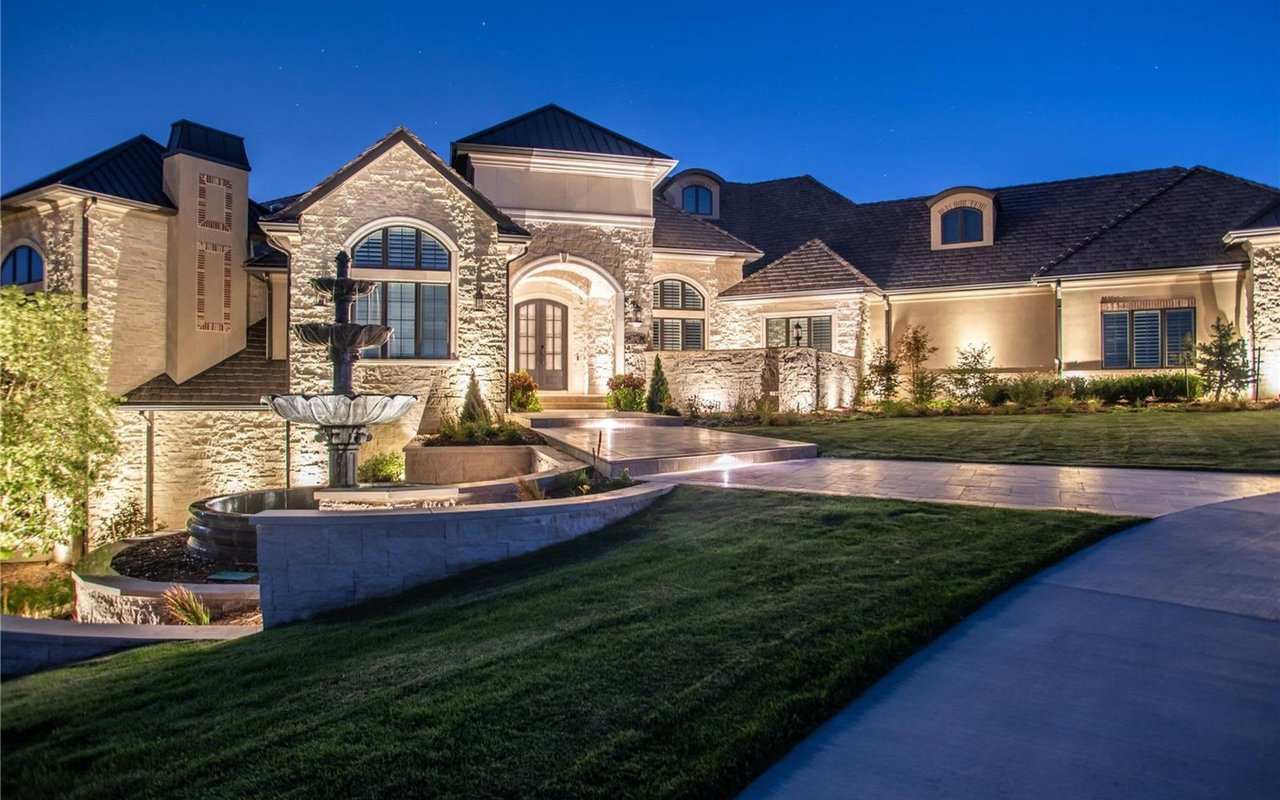
| Southeast golf corridor | 80016 | ~$550K–$1.4M+ | Saddle Rock, Saddle Rock Ridge, Cherry Creek School District, near Southlands |
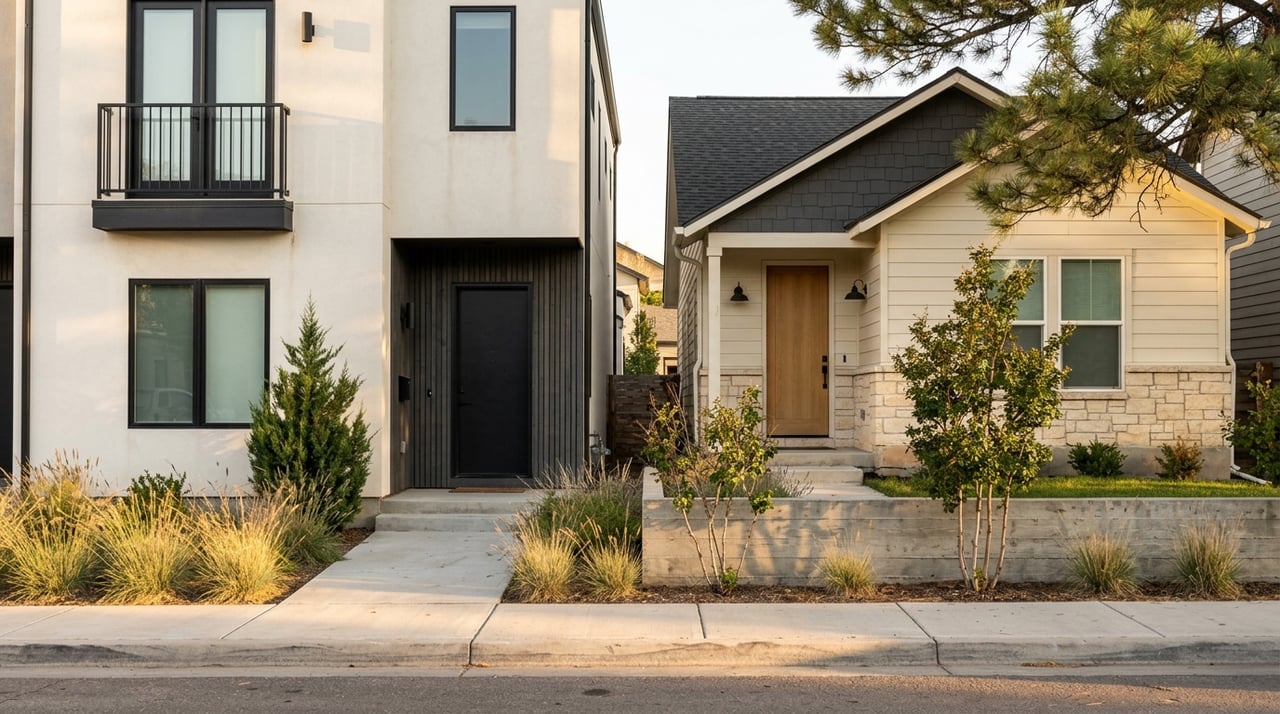
| Northeast growth corridor | 80019, 80018 | ~$400K–$700K | Painted Prairie, Green Valley Ranch, The Aurora Highlands, mostly new construction |
The Saddle Rock resale numbers make the point sharper. Homes.com data for April 2026 put the Saddle Rock single-family median at $550,000 with an average sale closer to $651,000, and Saddle Rock townhomes at a $574,500 median in March 2026. Sellers there are trading in a different economy from a 1970s bi-level owner in 80012.
The Number That Contradicts the Obvious Story
The intuitive read on Aurora's 2026 market is a straight buyer's tilt. Redfin's three-month rolling data through May 2026 showed a $462,000 median sale price, down about 2.3% year over year, with homes closing in roughly 30 days. Houzeo's May 2026 snapshot put months of supply at 1.16 and the sale-to-list ratio at 99.04%. Those are not buyer's-market numbers. They are balanced-market numbers with softer pricing.
What is actually happening is a split. The older ZIPs are behaving one way. The southeast golf communities, where inventory is scarce and Cherry Creek School District boundaries add pricing floor, are behaving another. And the northeast, where thousands of new homes are coming online, is behaving a third way. Averaging them produces a median that describes none of them.
The Builder Incentive Undertow
This is the part most buyer comparisons miss. Painted Prairie, the 640-acre master plan in northwest Aurora tied into the Aerotropolis, is being built out by KB Home, David Weekley Homes, McStain Neighborhoods, Meritage Homes, Berkeley Homes, Toll Brothers, and others, with base prices running from the high $400s into the $700s depending on collection. Toll Brothers' Skyview townhomes at Painted Prairie start around 1,395 square feet. The Aurora Highlands adds Tri Pointe and Century Communities inventory in a similar band. Green Valley Ranch keeps Oakwood Homes phases turning over, and the Sentinel Colorado reported that Oakwood broke ground in May 2026 on Prairie Point, a 900-acre, 1,600-home community along the E-470 corridor near Parker Road inside Cherry Creek School District. First homes there are expected in 2028.
Here is the mechanism. When a national builder needs to move standing inventory, the discount rarely shows up in the sticker price because base pricing anchors the whole community's future comps. It shows up as a rate buydown, a design center credit, or closing cost coverage. A buyer comparing a $575,000 resale in 80015 against a $595,000 new build in Painted Prairie with a 5.25% financed rate is not really comparing $575,000 against $595,000. On the monthly payment that most Aurora buyers actually optimize, the new build often wins.
The knock-on effect is what pushes resale sellers around. A move-up seller in 80013 or 80015 is competing for the same relocation and move-up buyers as those builder communities. The seller's number has to survive that payment comparison, not just the appraiser's comp set. That is why homes on Redfin were still averaging 30 days to sell in Aurora in spring 2026 even with 1.16 months of supply, and why Movoto measured June 2026 days on Movoto closer to 57. The listings that don't clear are the ones priced as if the builder next ZIP over weren't there.
The Cherry Creek School District Boundary Line
The single line that moves Aurora prices most predictably is the Cherry Creek School District boundary, not because of school quality claims, but because inventory inside it is bid on by families citywide plus relocators from out of state. Saddle Rock and Saddle Rock Ridge sit inside it. Prairie Point will sit inside it. That is a large part of why the 80016 median is where it is, and it is also why builder incentives in Prairie Point, when they come online in 2028, will land more heavily on resale sellers in 80015 than in 80019.
For a buyer, the practical read is that district boundaries are one of the few pricing lines in Aurora that hold even in a soft market. For a seller inside those lines, presentation and pricing discipline matter more than they would in a scarcer sub-market, because the alternative for the buyer is often a brand-new home five minutes away.
Days on Market Tell the Sub-Market Story
Statewide, the Colorado Association of REALTORS reported in their July 2026 update that the market has settled into a more balanced rhythm, with sale-to-list ratios around 99.7% and slowly improving days on market. Aurora's citywide DOM in June 2026 was around 57 days on one aggregator, 30 on another using a three-month rolling window through May. Both can be true. They measure different things.
What matters for planning:
- In 80012 and 80014, a well-prepared listing under $450,000 is still one of the fastest-moving profiles in the metro. Buyers in that band do not have new-build alternatives.
- In 80015 and southern 80013, sub-$700,000 resales are directly exposed to Painted Prairie and Aurora Highlands incentives. Sixty days is a realistic prep-and-market timeline.
- In 80016 above $800,000, buyers are slower and more selective. Photography, staging, and marketing carry more weight because the comp set is smaller and each showing counts more.
FAQ
If Aurora's median is around $480,000, why are so many listings above $700,000? Because the median is a citywide midpoint across four different housing economies. The southeast golf corridor and the newer 80016 subdivisions carry a much higher price band than the older north side, and both show up in the same "Aurora" search.
Are new-construction incentives negotiable? Base price usually is not, because it sets future comps in the community. Rate buydowns, design center credits, and closing cost contributions frequently are. A resale seller cannot match a builder's captive lender buydown one for one, which is exactly why pricing strategy on resale has to account for it up front.
Is now a good time to buy in Aurora? It depends on the sub-market. In parts of the northeast growth corridor, buyer leverage is genuine, especially on standing builder inventory. In tighter 80016 pockets and in the sub-$450,000 north side, it still looks and feels like a normal market with quick decisions required.
Working with the Split
The takeaway is not that Aurora's market is bad or good. It is that "the Aurora market" is a phrase that hides more than it reveals. A serious plan starts with picking the sub-market, then reads the comps and the builder incentive board for that specific pocket, then decides on pricing or offer strategy from there.
If you want help mapping your budget to the right pocket of Aurora, or preparing a home to compete against a new-build community down the road, Jennifer Stuckey works with buyers and sellers across the north Denver corridor with a concierge-style approach to prep, marketing, and negotiation. Let's Connect.