By Jennifer Stuckey
Homes in Boulder and across the Front Range experience wide swings in temperature throughout the year, and keeping up with heating, cooling, and everyday energy demand adds up faster than most homeowners expect. The good news is that making your home more energy efficient doesn't require a gut renovation or a massive budget. Many of the most impactful upgrades are simpler than you'd think and pay for themselves over time.
Energy efficiency is also about more than monthly savings. In today's real estate market, buyers are paying close attention to utility costs, sustainability features, and long-term operating expenses. A home that has been thoughtfully upgraded for efficiency tends to attract stronger offers and stand out in competitive markets. Whether you're planning to stay put for years or thinking about selling down the road, these improvements are worth making.
This guide walks through the most effective ways to improve your home's energy performance, from quick wins you can tackle this weekend to larger projects that deliver long-term value.
Key Takeaways
- Sealing air leaks and improving insulation are among the most cost-effective efficiency upgrades available to homeowners.
- Upgrading to energy-efficient appliances and HVAC systems significantly reduces annual energy consumption.
- Smart thermostats and programmatic controls offer easy efficiency gains with minimal upfront cost.
- Solar and renewable energy options are increasingly accessible and can reduce or even eliminate electricity costs over time.
- Energy-efficient homes tend to hold their value well and appeal strongly to today's buyers.
Start With the Building Envelope
Before investing in new appliances or technology, it's worth looking at the shell of your home. The building envelope, which includes your walls, roof, windows, doors, and foundation, is where most heat gain and heat loss can occur. If your envelope is leaky or poorly insulated, no amount of high-efficiency equipment will fully compensate.
Start by identifying where air is escaping. Common culprits include gaps around window frames, doors that don't seal tightly, recessed lighting fixtures, electrical outlets on exterior walls, and penetrations where pipes or ducts pass through. A simple way to detect leaks is to hold a lit incense stick near suspected problem areas on a windy day; if the smoke moves sideways, you've found a draft. Caulking and weatherstripping are inexpensive fixes that can make a noticeable difference.
Insulation is the next priority. Attics are often the biggest opportunity because heat rises and escapes through the top of the home. Adding insulation to an under-insulated attic is one of the highest-return improvements you can make. Walls and crawl spaces also benefit from attention, particularly in older Boulder homes that may have been built before modern insulation standards were in place.
High-Impact Envelope Improvements
- Seal gaps and cracks with weatherstripping, caulk, or spray foam before investing in other upgrades.
- Upgrade attic insulation to meet or exceed current R-value recommendations for your climate zone.
- Replace single-pane windows with double- or triple-pane options to reduce heat transfer significantly.
- Install insulated door sweeps on exterior doors to eliminate drafts at floor level.
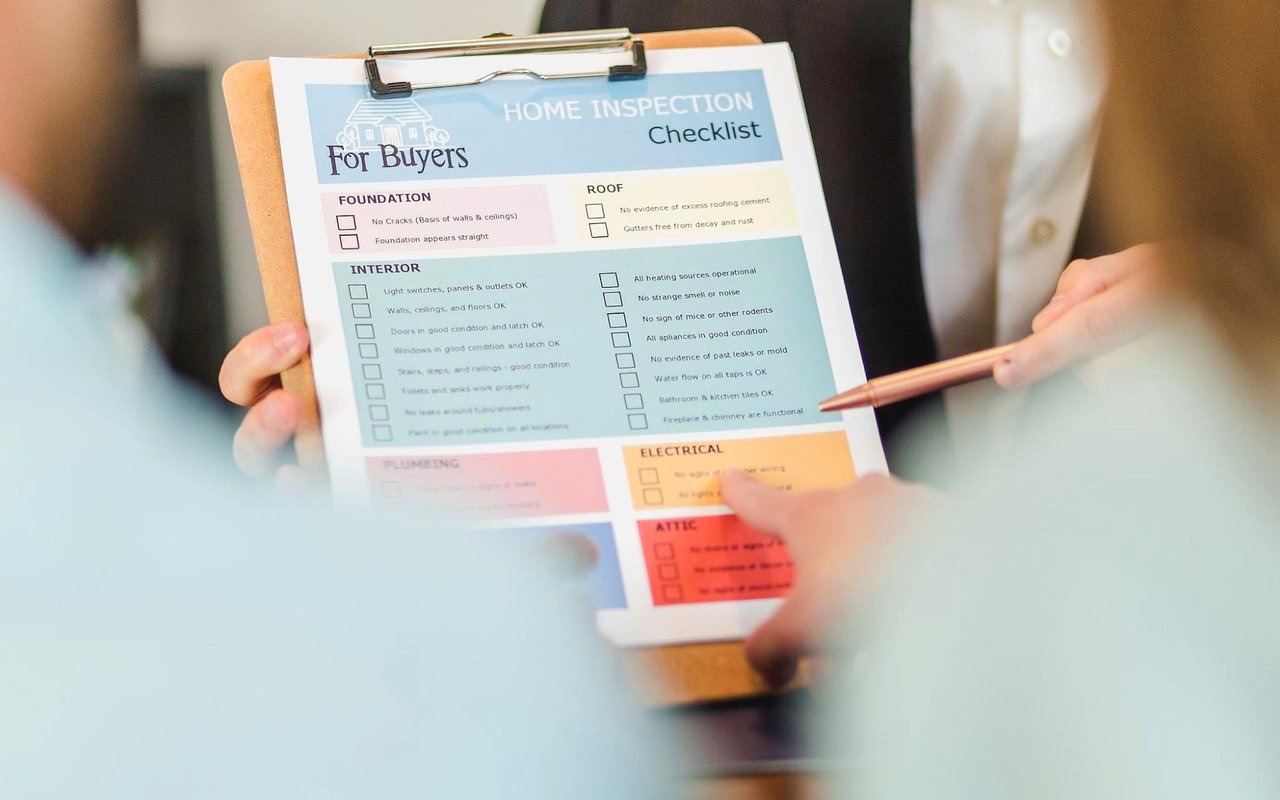
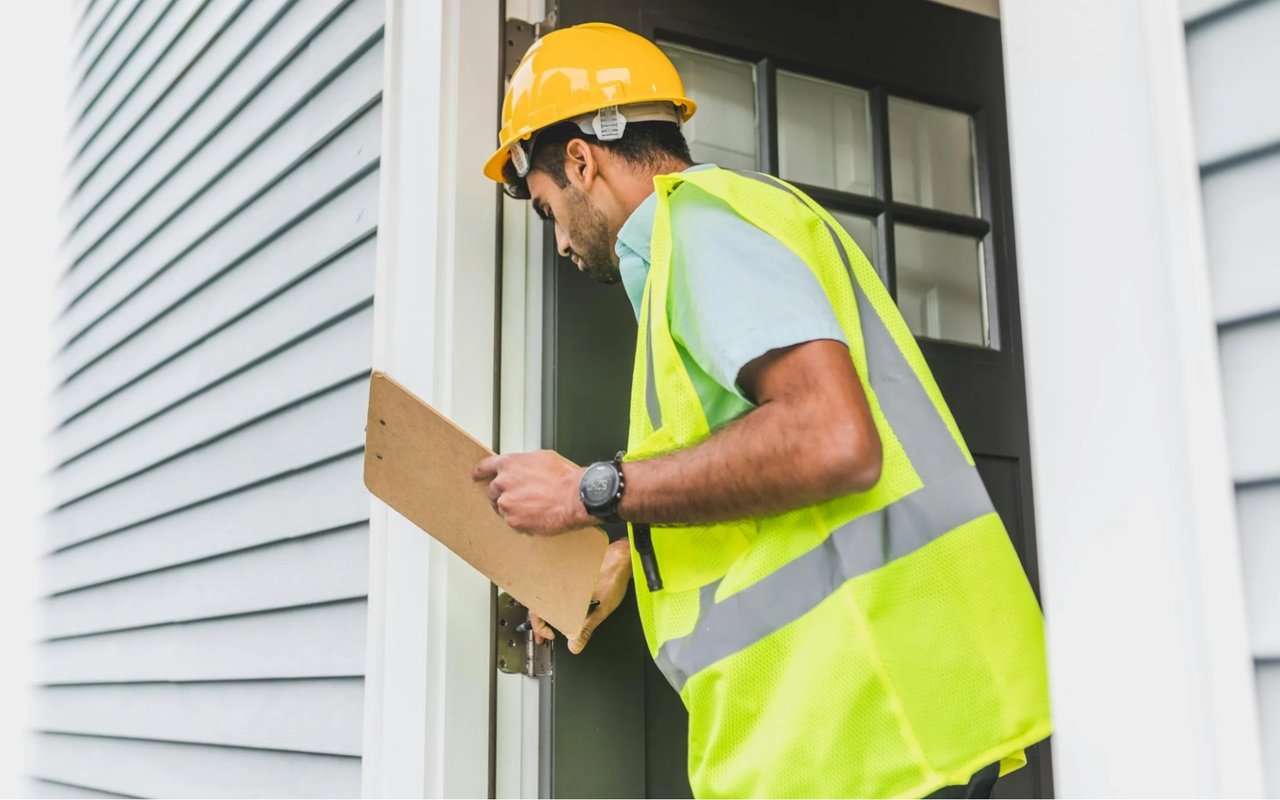
- Have a professional energy audit performed to identify your home's specific weak points before prioritizing projects.
Upgrade Your Heating and Cooling Systems
In Colorado's climate, your HVAC system is doing a lot of work. Heating and cooling typically account for the largest share of a home's energy use, which means that upgrades in this category tend to deliver some of the most noticeable savings. If your furnace, air conditioner, or heat pump is more than 15 years old, it's likely operating well below today's efficiency standards.
Heat pumps have become one of the most talked-about upgrades in recent years, and for good reason. Modern heat pumps can both heat and cool a home, and they do so with much less energy than traditional systems because they move heat rather than generate it. In Boulder's climate, where temperatures can swing widely, a cold-climate heat pump performs well even in sub-freezing conditions. Pairing a heat pump with a smart thermostat maximizes the efficiency gains.
If a full system replacement isn't in your budget right now, there are still meaningful steps you can take. Having your existing system serviced annually ensures it's running as efficiently as possible. Replacing the filters regularly, sealing any duct leaks, and adding zone controls can improve performance without a full-scale replacement.
Heating and Cooling Efficiency Options
- Replace aging HVAC equipment with high-efficiency models rated 16 SEER2 or higher for cooling and 95 AFUE or higher for heating.
- Consider a heat pump system for both heating and cooling, especially if you're replacing electric resistance heat.
- Install a smart thermostat to automate temperature schedules and reduce energy use when the home is unoccupied.
- Have the ducts professionally sealed and insulated, particularly in unconditioned spaces like attics and crawl spaces.
- Service your HVAC system annually to maintain peak performance and catch problems early.
Tackle Hot Water and Appliances
After heating and cooling, water heating is typically the next biggest energy expense in a household. Conventional tank water heaters keep a large volume of water hot around the clock, which wastes a significant amount of energy over the course of a year. Upgrading to a heat pump water heater or a tankless on-demand system can cut water heating costs substantially.
Heat pump water heaters, in particular, have seen a surge in interest because of how efficient they are. They use the same heat-transfer technology as HVAC heat pumps and can be two to three times more efficient than a standard electric tank. They work best in spaces with ambient air to draw heat from, such as a basement or garage.
When it comes to appliances, the ENERGY STAR label is your best bet. Refrigerators, dishwashers, clothes washers, and dryers that carry the ENERGY STAR certification meet strict efficiency criteria set by the U.S. Environmental Protection Agency. Over the lifespan of an appliance, the energy savings are often notable.
Appliance and Water Heating Upgrades
- Replace a tank water heater with a heat pump water heater or a tankless unit to cut water heating costs by up to 50%.
- Choose ENERGY STAR-certified appliances when replacing aging refrigerators, dishwashers, or laundry machines.
- Run dishwashers and washing machines during off-peak hours to take advantage of lower electricity rates if your utility offers time-of-use pricing.
- Install low-flow showerheads and faucet aerators to reduce hot water demand without sacrificing pressure.
- Use advanced power strips or smart plugs to eliminate standby energy draw from electronics and appliances.
Explore Renewable Energy and Solar
Boulder is one of the sunniest cities in the country, which makes it an ideal location to consider solar energy. Installing rooftop solar panels allows you to generate your own electricity, reduce your dependence on the grid, and, in many cases, earn credits for excess power sent back to the utility through net metering programs. Over a typical system lifespan, solar often pays for itself and then continues to generate savings beyond that.
Beyond rooftop panels, there are other renewable-adjacent options worth considering. Solar water heaters use the sun's energy to preheat water before it enters your conventional water heater, reducing the energy needed to bring it to temperature. Battery storage systems, paired with solar, allow you to store excess energy for use during peak hours or outages.
Solar and Renewable Energy Considerations
- Assess your roof's orientation and condition before committing to solar; south-facing roofs with minimal shading are ideal.
- Compare purchase, lease, and PPA options to find the financing approach that fits your situation.
- Consider a battery storage system if you want to maximize your independence from the grid or ensure backup power.
FAQs
Do Energy Efficiency Upgrades Increase Home Value?
Yes, in most cases. Buyers are increasingly aware of operating costs and long-term efficiency, and homes with updated systems, better insulation, and lower utility bills tend to attract more interest. In markets like Boulder, where sustainability is a priority for many buyers, these features can be a differentiator.
What Is the Best First Step to Making a Home More Energy Efficient?
A professional energy audit is one of the smartest starting points. An auditor will assess your home's current performance, identify where energy is being lost, and give you a prioritized list of improvements. Many utilities offer subsidized or free audits, so it's worth checking with your provider before scheduling one independently.
Make Your Boulder Home Work Smarter for You
Energy efficiency isn't a single project; it's a series of smart decisions that compound over time. Each upgrade you make reduces your monthly costs, improves your comfort, and positions your home more favorably, whether you're staying or eventually selling. In Boulder's market, where buyers tend to be well-informed and sustainability-minded, an efficient home is a competitive asset.
When you're ready to talk through what buyers in Boulder are looking for, or to understand how your home's efficiency features factor into its value, I'd love to help. Reach out to me, Jennifer Stuckey, and let's talk about what makes sense for you and your home.