By Jennifer Stuckey
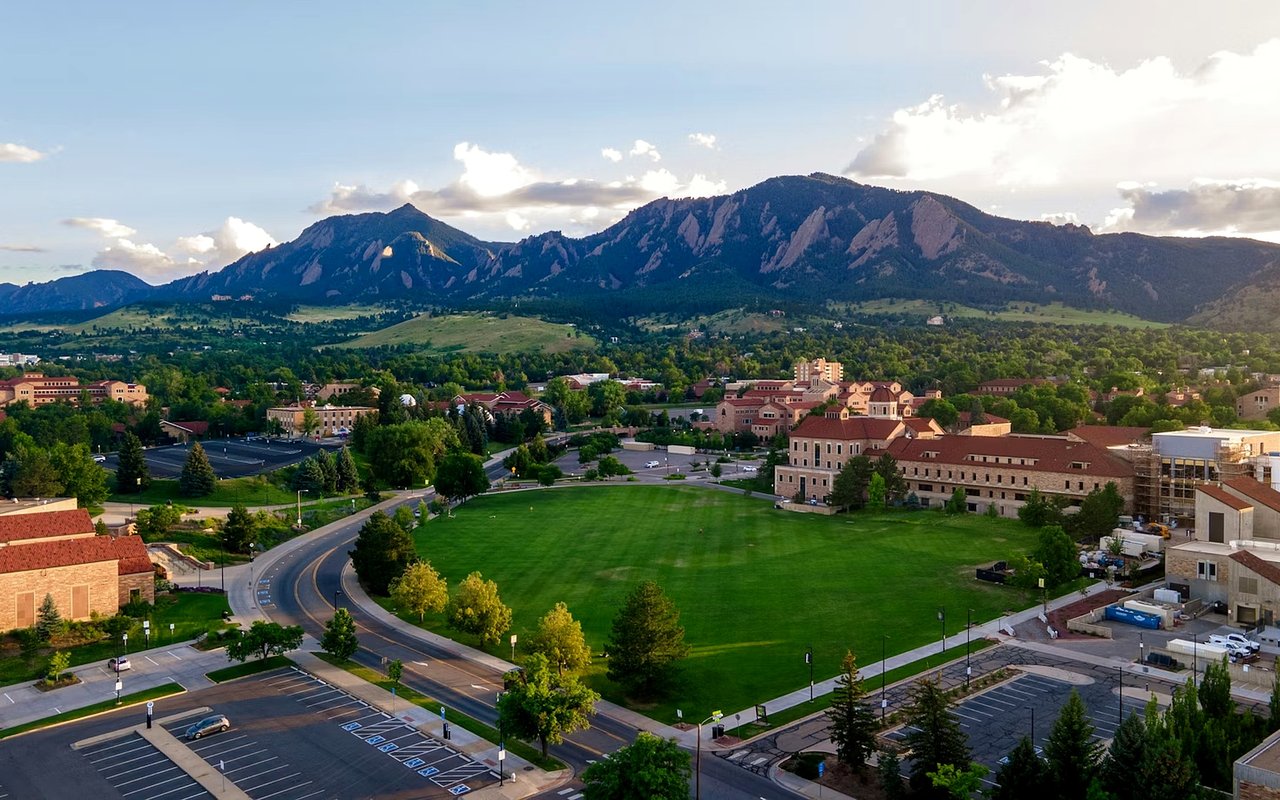
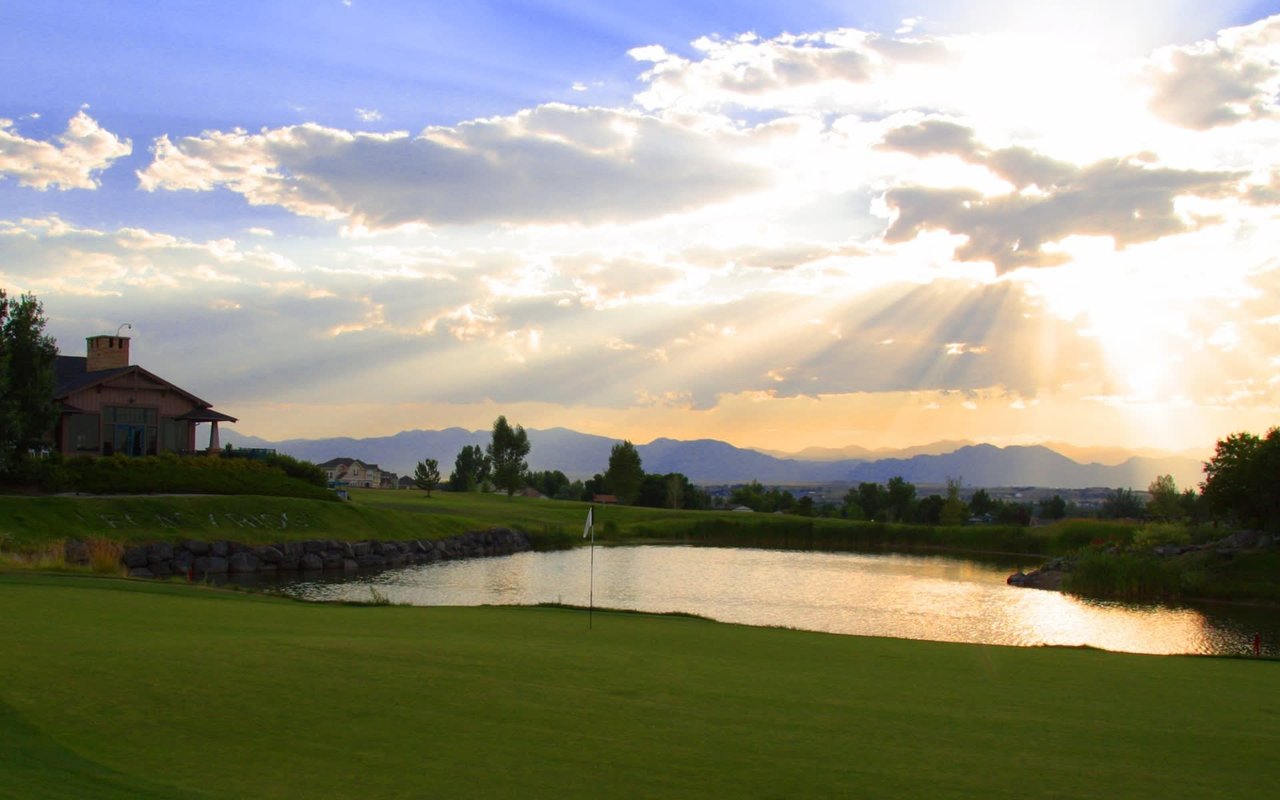
Picture a Saturday morning with coffee in hand, the Flatirons catching the first light, and a patio built to make the most of every one of Boulder's 300-plus sunny days. That kind of outdoor living is well within reach here, but it takes a design that respects how our high-country climate actually behaves.
Boulder sits at roughly 5,400 feet, where intense sun, dry air, and wide temperature swings between afternoon and evening all shape what works outside. Get the details right, and your yard becomes the space you reach for most from spring through the first snow.
Thoughtful choices in shade, materials, and landscaping turn a plain patio into a true extension of your Boulder home. Here is how to build outdoor space that holds up to Colorado's climate and rewards you all season.
Key Takeaways
- Boulder's high elevation brings intense UV and dry air, so durable, fade-resistant materials and generous shade are worth prioritizing.
- Wide day-to-night temperature swings make a fire feature or covered area valuable for extending your evenings outdoors.
- Native and drought-tolerant landscaping thrives in the local climate and keeps water use low.
- Wind along the foothills is a real design factor, so screening and sturdy structures help your space stay comfortable.
- A well-planned outdoor living space adds lasting appeal to Boulder homes and expands how you use your property.
How Does Colorado's Climate Shape Your Outdoor Living Space?
Boulder's climate calls for outdoor spaces built around strong sun, low humidity, and quick temperature changes rather than the mild conditions many national design guides assume. At this elevation, the sun sits closer and stronger, so surfaces heat fast, finishes fade sooner, and shade becomes a comfort essential rather than an afterthought.
The dry air that makes our afternoons so pleasant also pulls moisture from wood and plants, which means material choice matters more here than in wetter regions. A warm 80-degree afternoon can also drop into the 50s once the sun dips behind the mountains, so any space meant for evening use needs a source of warmth.
Wind is the other local signature, especially for homes closer to the foothills where downslope gusts arrive in winter and spring. Planning for it early keeps your patio usable on more days of the year.
What To Consider
- Sun exposure changes dramatically by orientation, so note where afternoon light and shade fall on your lot.
- High-altitude UV fades fabrics and stains quickly, so look for materials rated for sun resistance.
- Evening temperature drops call for a fire pit, heater, or covered nook to keep the space comfortable after dark.
- Foothills wind patterns can be softened with fencing, screening, or a well-placed structure.
What Features Work Best for a Boulder Outdoor Living Space?
The features that serve Boulder homes best are a covered or shaded structure, a fire feature, and hardy native landscaping suited to real estate in Boulder and its climate. Together, they solve for sun, cool nights, and dry conditions in one cohesive design.
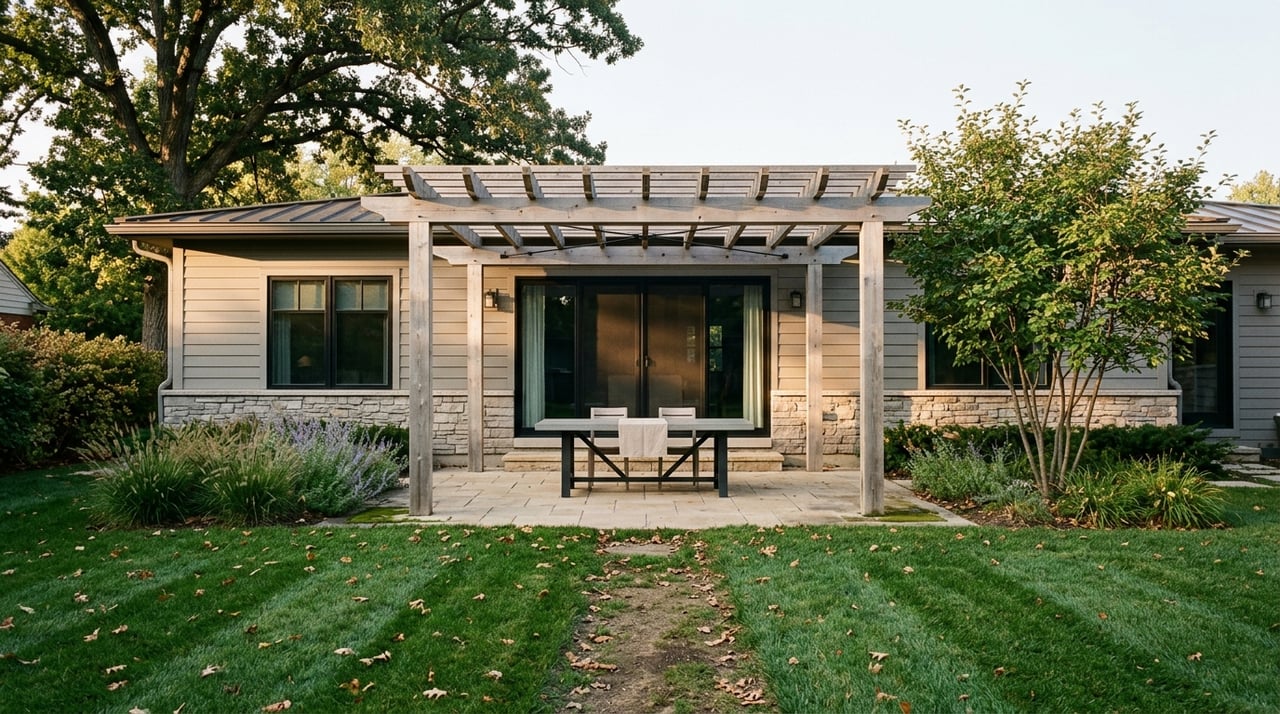
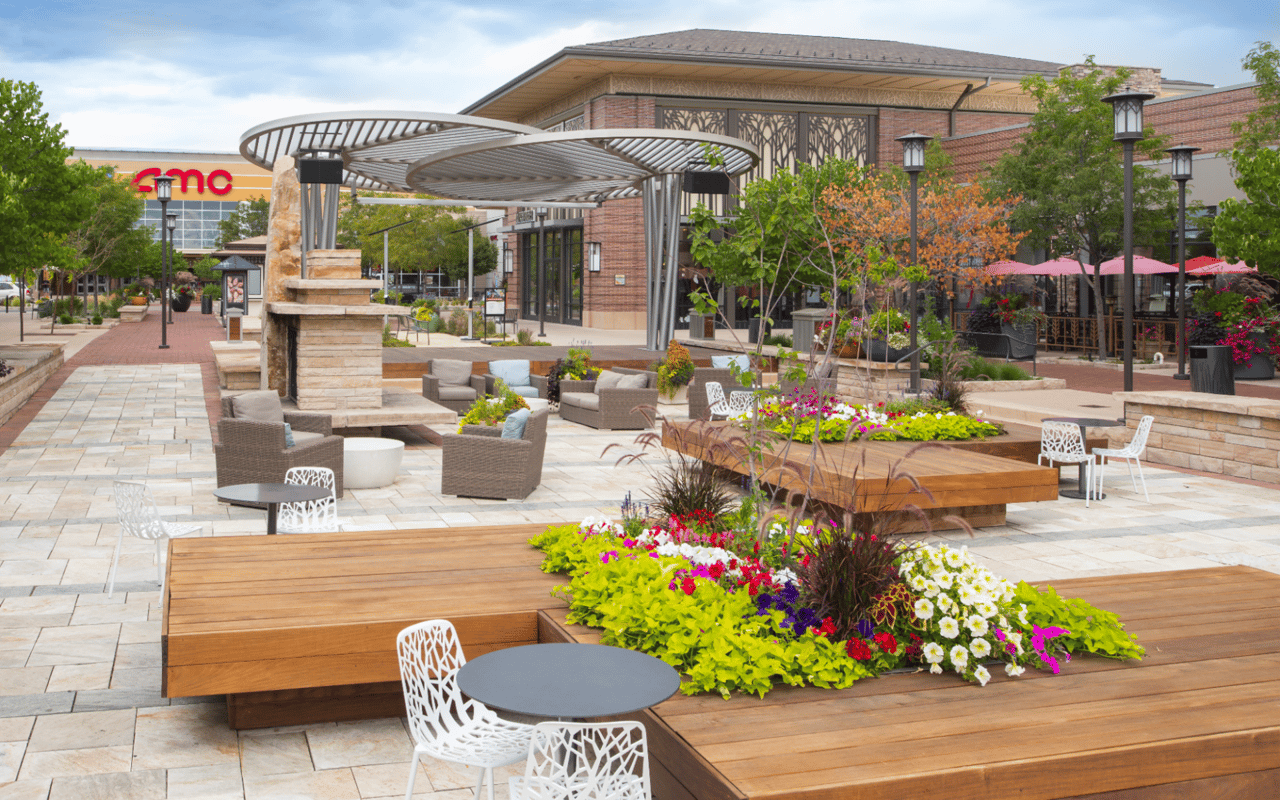
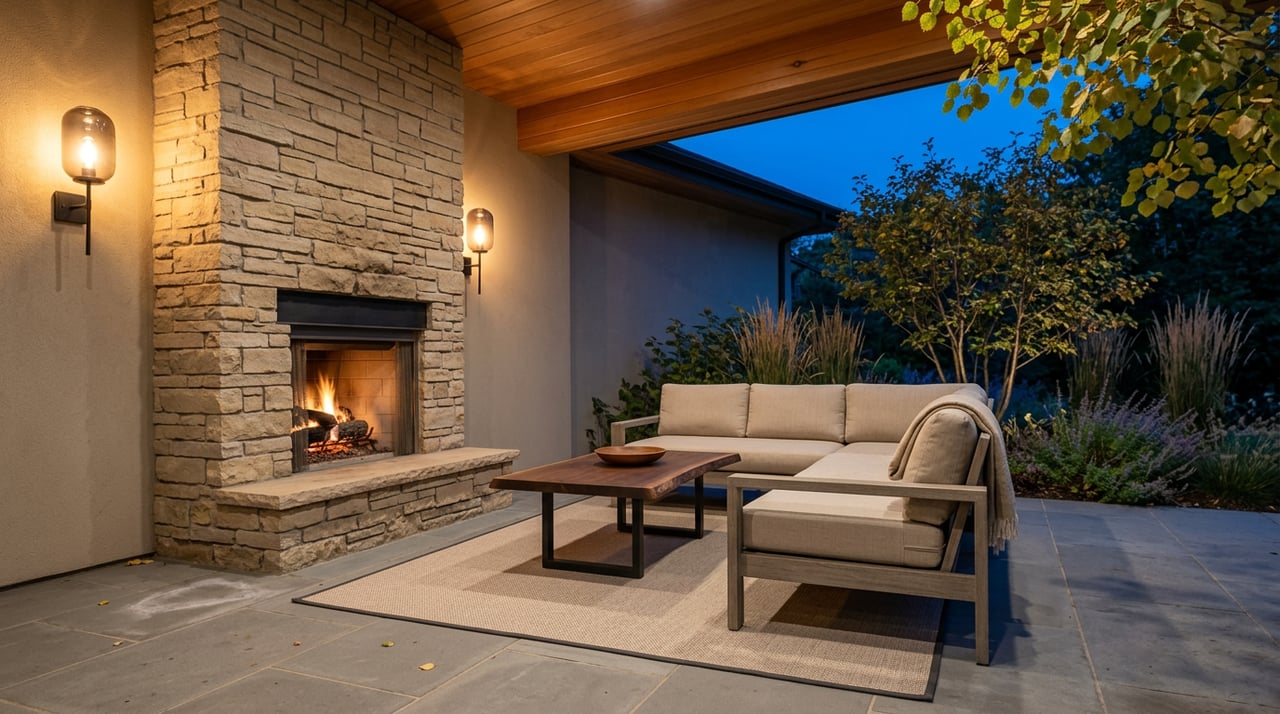
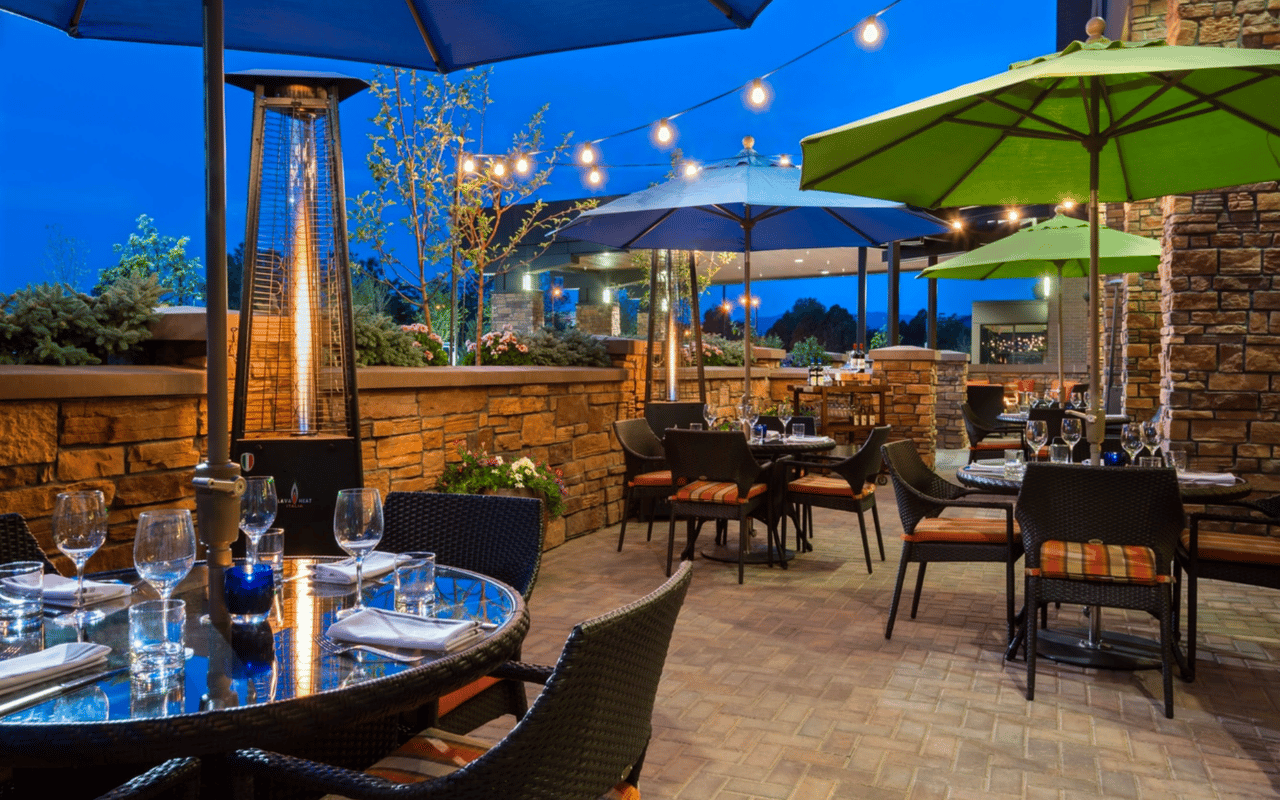
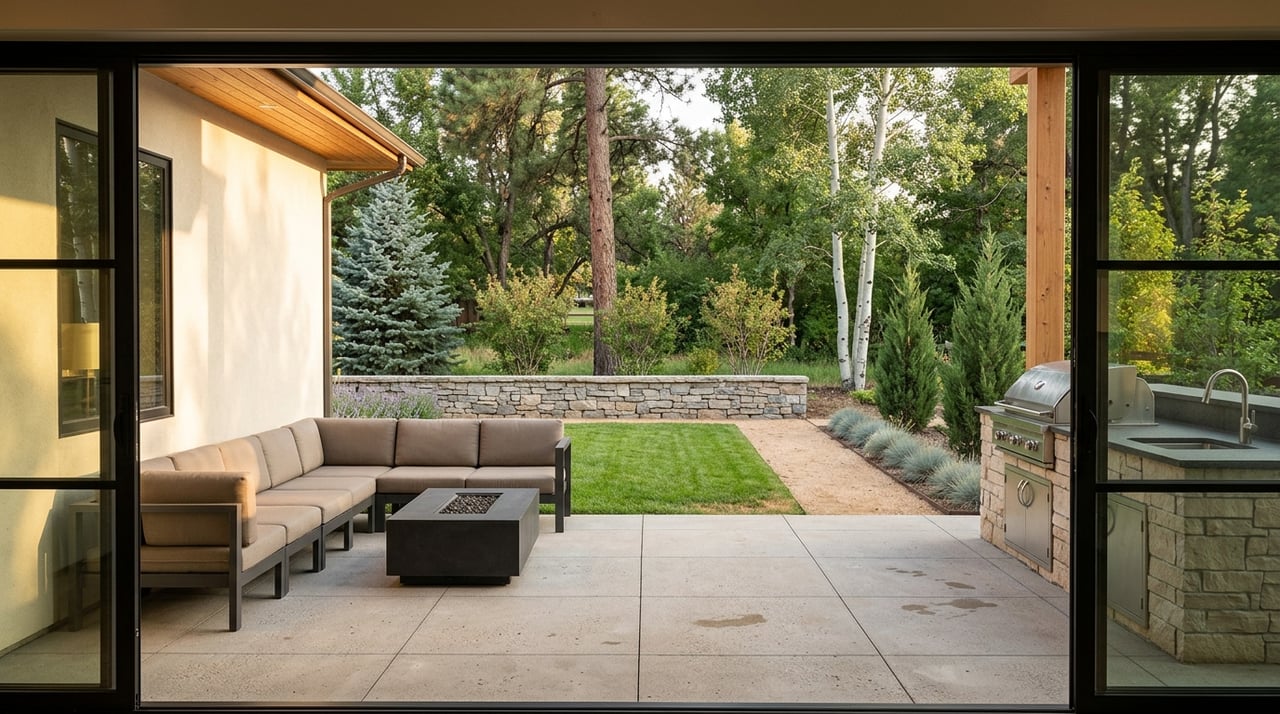
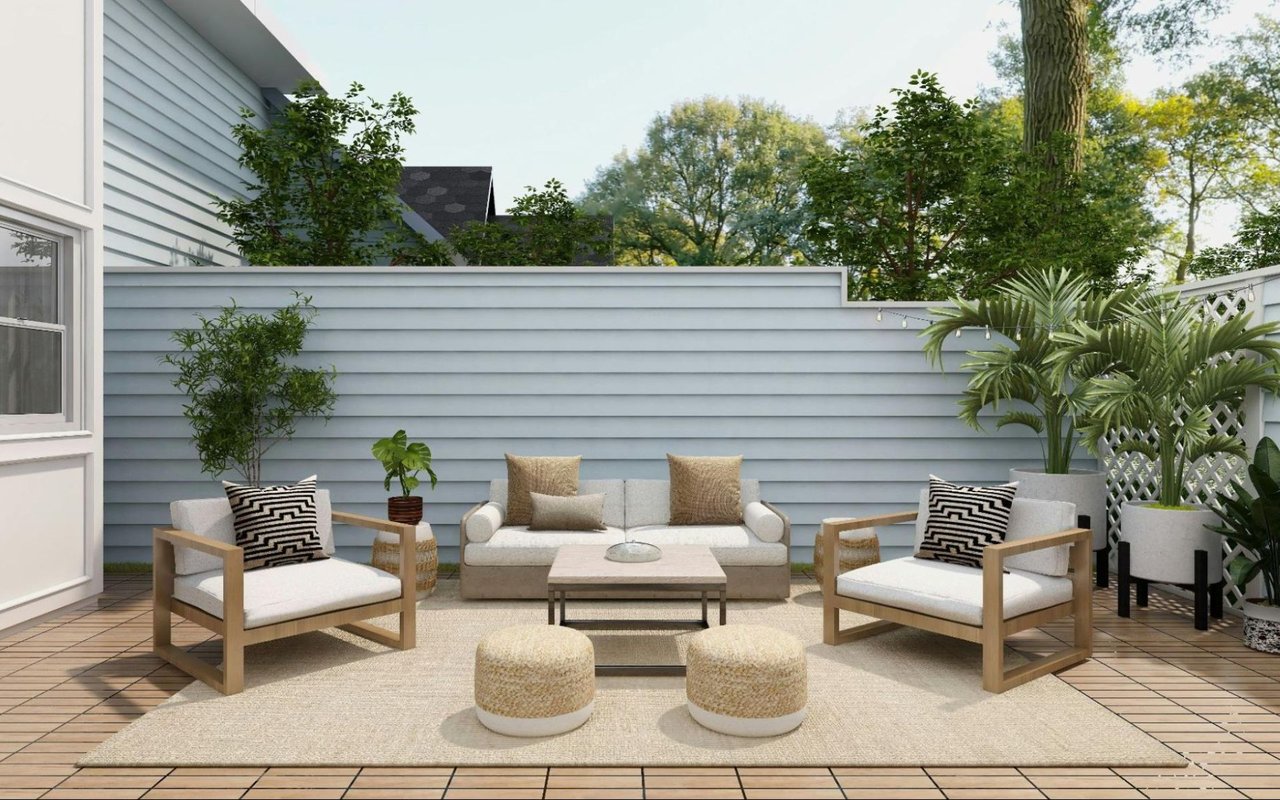
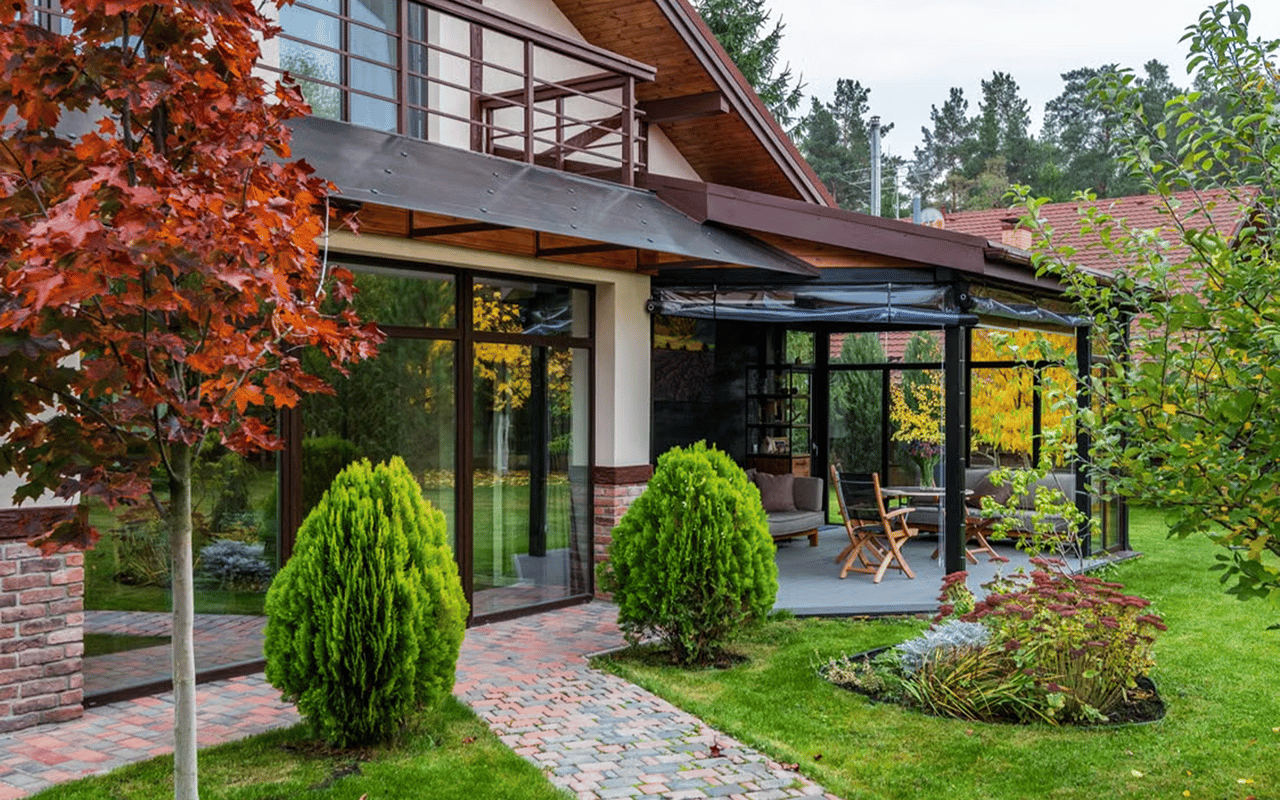
A pergola, shade sail, or covered patio tames midday sun and protects furnishings from fading while still letting you take in those Flatiron views. Adding a fire pit or built-in gas feature turns cool evenings into some of the best hours of the day, extending your season well into fall.
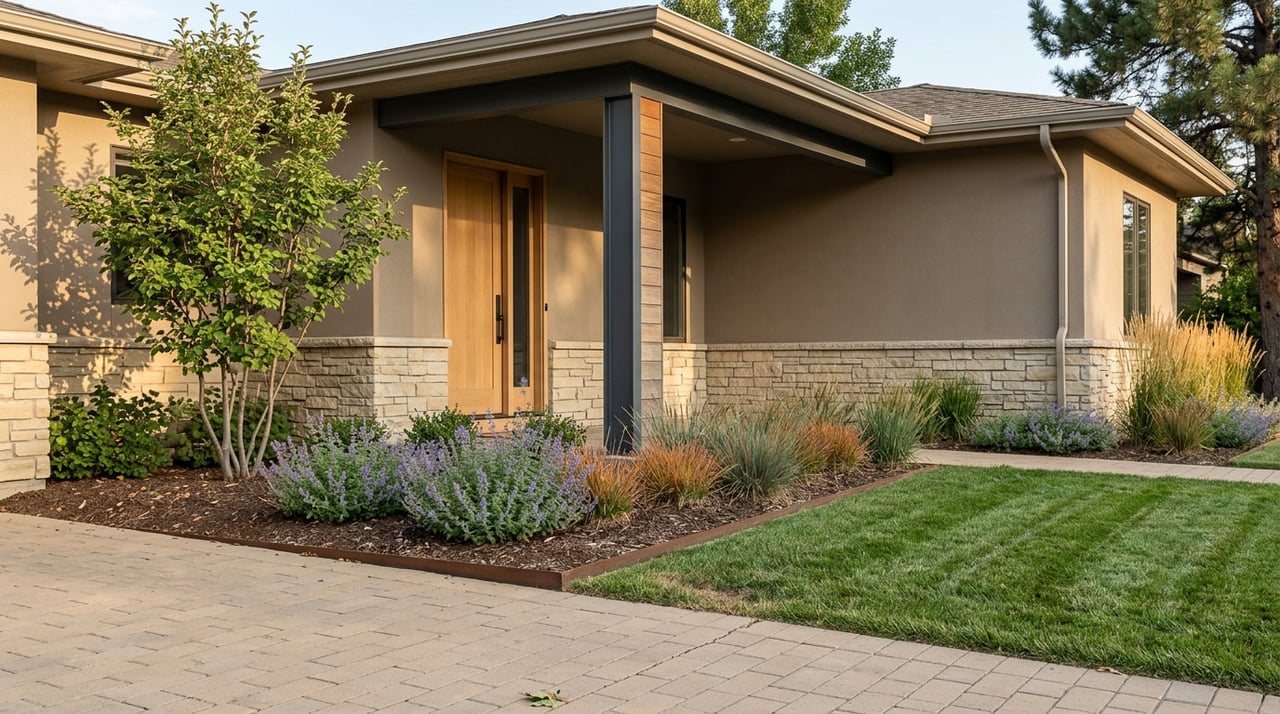
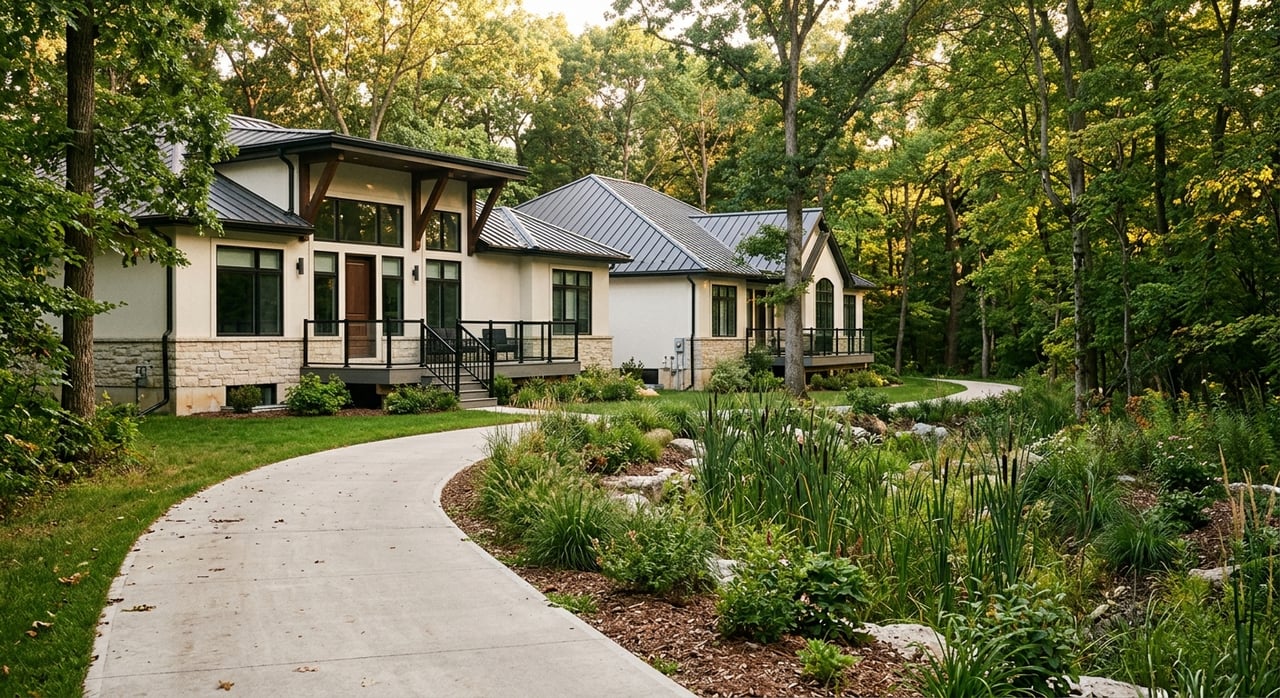
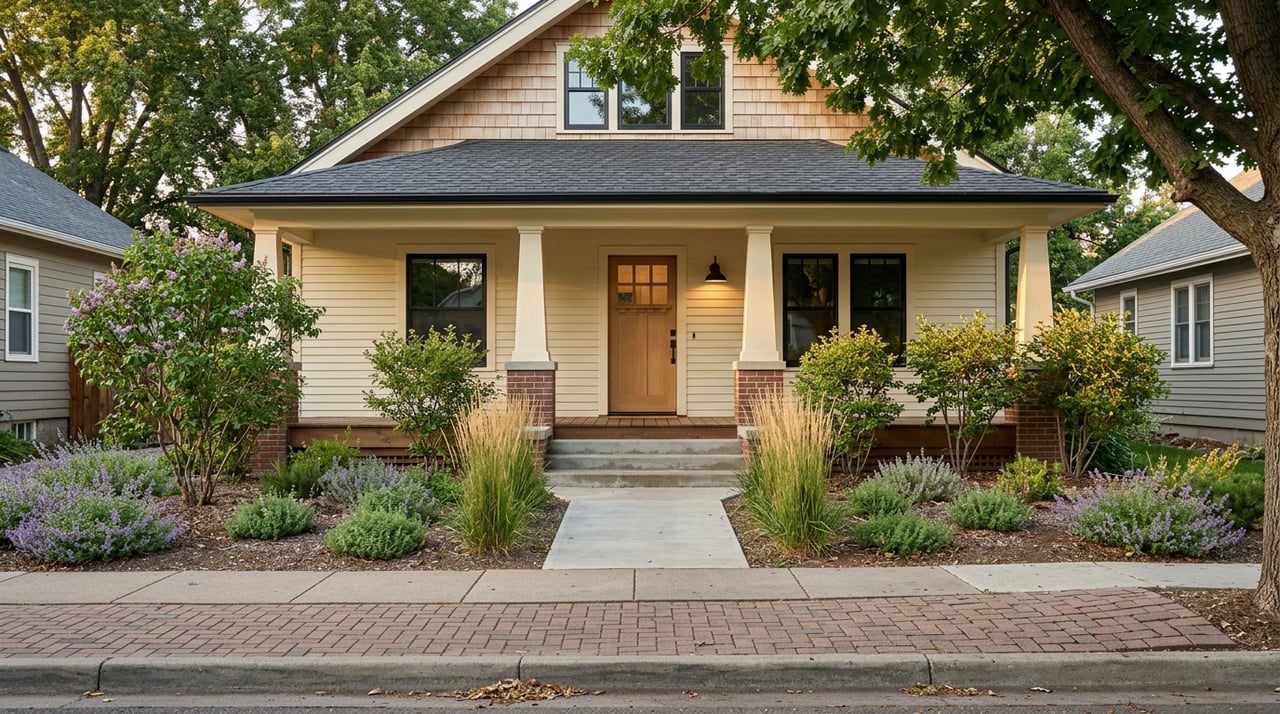
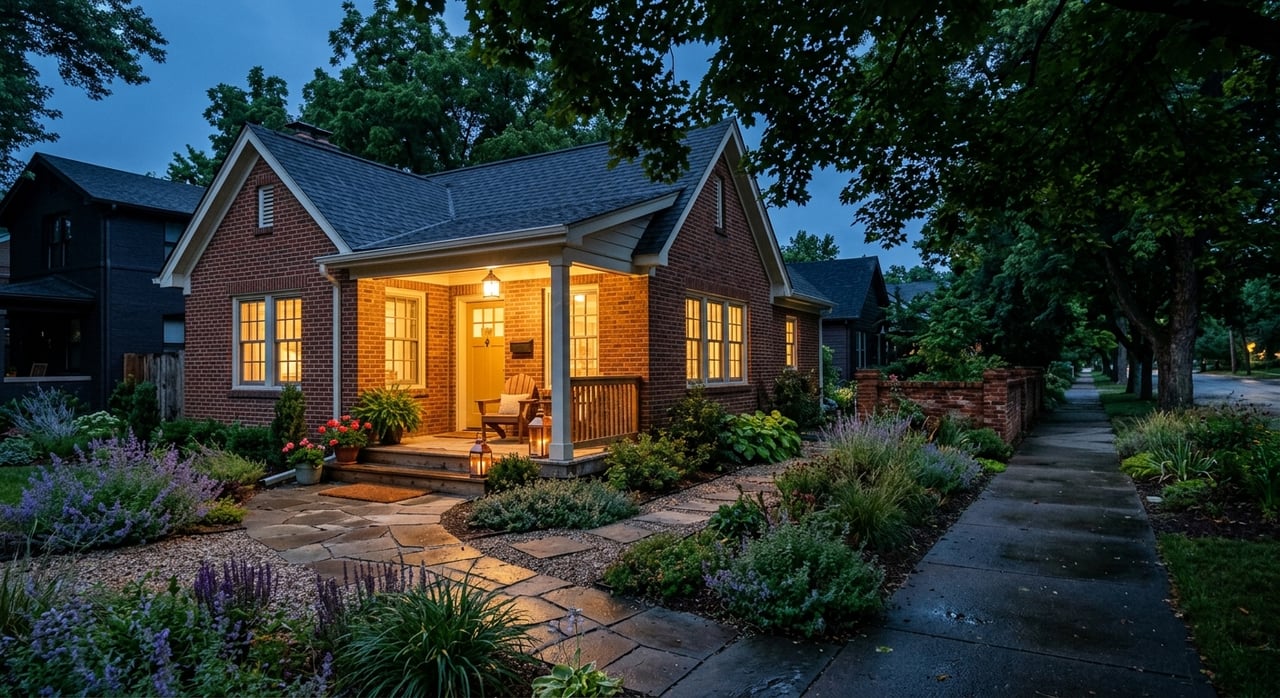
Landscaping ties it all together. Xeriscaping with native grasses, penstemon, and other Colorado-adapted plants keeps maintenance and water use low, so your yard looks intentional without demanding constant upkeep.
Features To Prioritize
- A pergola or covered patio provides shade and defines the space for daily use.
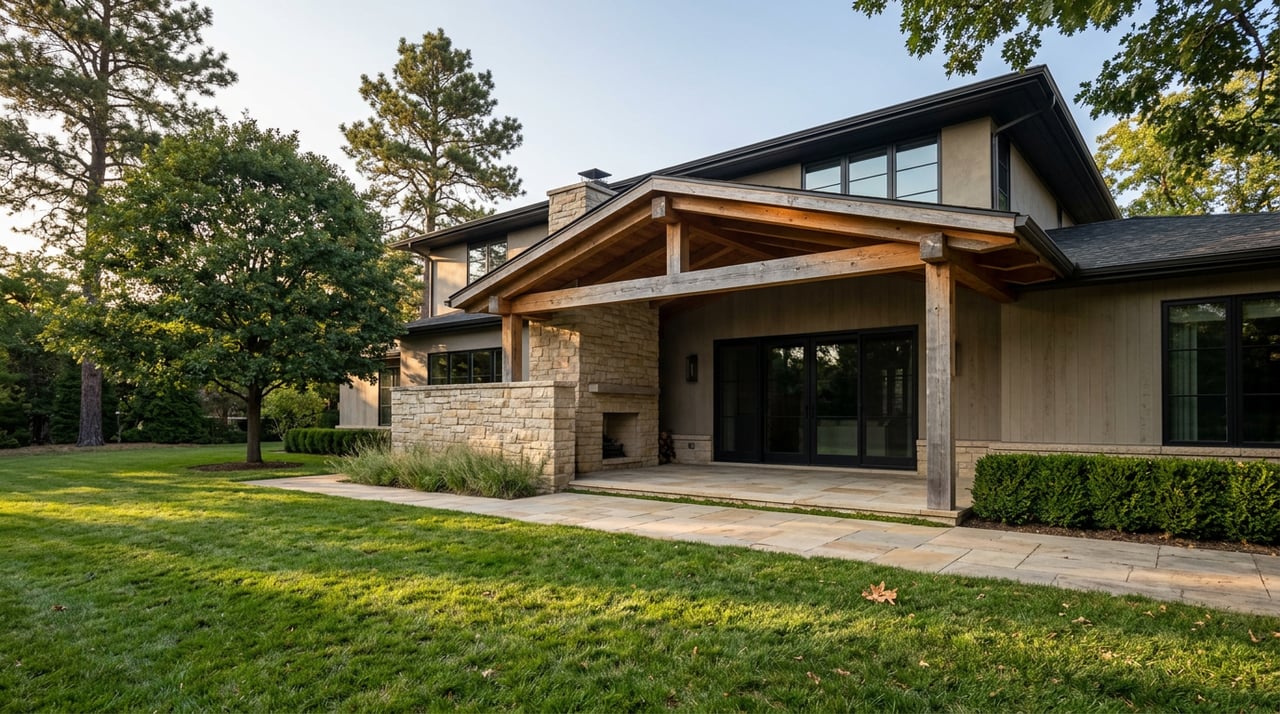
- A fire pit or gas fireplace adds warmth, so cool Colorado nights become an invitation rather than a reason to head indoors.
- Native, drought-tolerant plantings thrive in Boulder's dry climate and reduce watering.
- Durable stone or composite surfaces stand up to strong sun and seasonal freeze-thaw cycles.
How Do You Design for Year-Round Use in Boulder?
Designing for year-round use in Boulder means layering shade, warmth, and wind protection so the same space works in July heat and on a crisp October evening. The goal is a patio you reach for across seasons, not just during a short summer window.
Start with a structure that offers overhead cover, which shields you from summer sun and light snow alike. Pair it with a heat source and comfortable, weather-ready seating, and you gain months of usable time on either end of the calendar.
Material durability seals the plan. Freeze-thaw swings are hard on inexpensive finishes, so investing in quality stone, sealed concrete, or composite decking pays off in a space that still looks sharp years later.
How To Build In Flexibility
- Choose overhead cover that handles both sun and occasional snow load.
- Add layered lighting so the space stays usable and inviting after sunset.
- Select freeze-thaw-rated surfaces, so your patio resists cracking through Boulder’s winter.
- Incorporate movable elements, such as heaters and planters, to adjust the space by season.
FAQs
What Is the Best Way to Add Shade to a Boulder Patio?
The best shade solutions for a Boulder patio are pergolas, shade sails, and covered patio structures that block high-altitude UV while preserving mountain views. Because the sun is so strong at this elevation, a fixed or adjustable overhead structure gives you reliable relief and protects your furnishings. Retractable options add flexibility on days when you want full sun in the cooler months.
How Can You Make an Outdoor Space Comfortable on Cool Colorado Nights?
A fire pit, gas fireplace, or patio heater is the most effective way to stay comfortable, even outside on cool Colorado nights. Boulder's temperatures fall quickly after sunset, so a dedicated heat source lets you linger outdoors well into the evening. Wind screening and cozy, weather-ready seating add to the comfort and keep your space welcoming after dark.
What Landscaping Works Well for Boulder Outdoor Living Spaces?
Native and drought-tolerant landscaping works best for Boulder outdoor living spaces because it thrives in our dry, high-elevation climate. Xeriscaping with native grasses, wildflowers like penstemon, and hardy shrubs keeps water use low and maintenance manageable. These plantings also look natural against the foothills backdrop and complement the character of Boulder homes.
Bringing Your Boulder Outdoor Living Space to Life
A well-designed outdoor living space turns Colorado's climate into an advantage, giving you shade for bright afternoons, warmth for cool evenings, and low-maintenance landscaping suited to Boulder's dry air and elevation. With the right structure, materials, and plantings, your patio becomes the space you use most from spring through the first snow.
If you are planning improvements or thinking about how outdoor living adds value to Boulder homes, I would love to help. I can share what today's buyers look for and how to make the most of your property in this market. Reach out anytime to talk through your outdoor plans or explore Boulder real estate with me, Jennifer Stuckey. Let's create a space that fits the way you want to live under the Flatirons.