Every October, Lafayette turns into a music festival without ever building a stage from scratch. The 2026 Lafayette Music Fest lands on Saturday, October 3, and organizers are advertising more than 200 Colorado-based bands and musicians spread across eight stages. The festival pairs that lineup with a range of venue sizes. Most of those stages sit inside buildings you already know from ordinary weekday errands, and at least one of them holds about as many people as a large living room.
That range is useful to keep in mind when planning your Saturday. A wristband does not guarantee entry once a ticketed venue reaches capacity.
Eight Stages, and You've Been to Most of Them Already
The festival's lineup of venues reads like a tour of Old Town's everyday businesses rather than a list of concert halls. Nissi's Entertainment & Events anchors the night as the festival's only 21-and-over stage, with ID checks at the door. The Arts Hub and Muse Performance Space, both built around community art and music programming the rest of the year, open their floors for the day. Coal Creek Bowling turns lane space into a stage between frames. And The End Lafayette, tucked inside the working recording studio at Dog House Music, is the smallest room in the mix: organizers describe it as a cozy 70-person venue, the kind of space where the artist on stage may have written and recorded the song you're hearing in that same room.
The remaining three stages all sit inside The District, which runs as the festival's free zone: the Otis stage, the School of Rock stage, and the Center for Musical Arts stage, none of which require a wristband to enter.
Add it up and you get the eight-stage total organizers are promoting for 2026, but the mix matters more than the count. Five of those stages are small, independent, indoor rooms with real capacity limits. Only The District's three are open-air and unrestricted. The mix of room sizes is useful to keep in mind when planning the day.
Wristbands and Venue Capacity
A wristband is a single credential that works at every ticketed venue. When a room is full, attendees wait outside or move to another stage.
That policy applies most directly to the indoor venues: Coal Creek Bowling, Nissi's, Muse Performance Space, The Arts Hub, and The End Lafayette. A 70-person room during a well-known local act's set can close its doors well before the song ends.
Here's the age breakdown, since it changes your options depending on who's in your group:
- Nissi's: 21 and over only, ID required at entry
- The Arts Hub: all ages, all day
- Muse Performance Space: all ages, all day
- Coal Creek Bowling: all ages, all day
- The End Lafayette: all ages, but capped near 70 people at a time
- The District's three stages (Otis, School of Rock, Center for Musical Arts): free and open to everyone, no wristband needed
If you're bringing kids, The District's free stages are one option. For the other venues, plan around their age rules and capacity.
How Locals Actually Work the Day
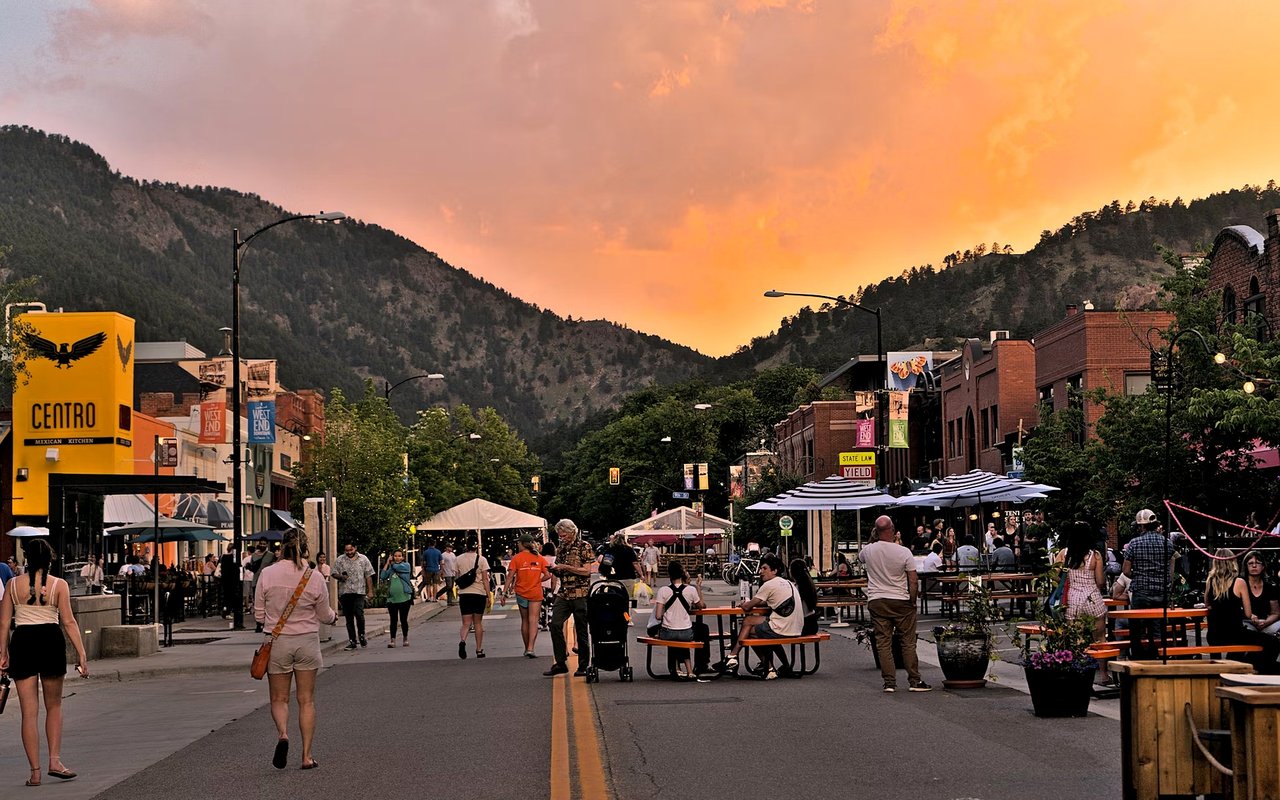
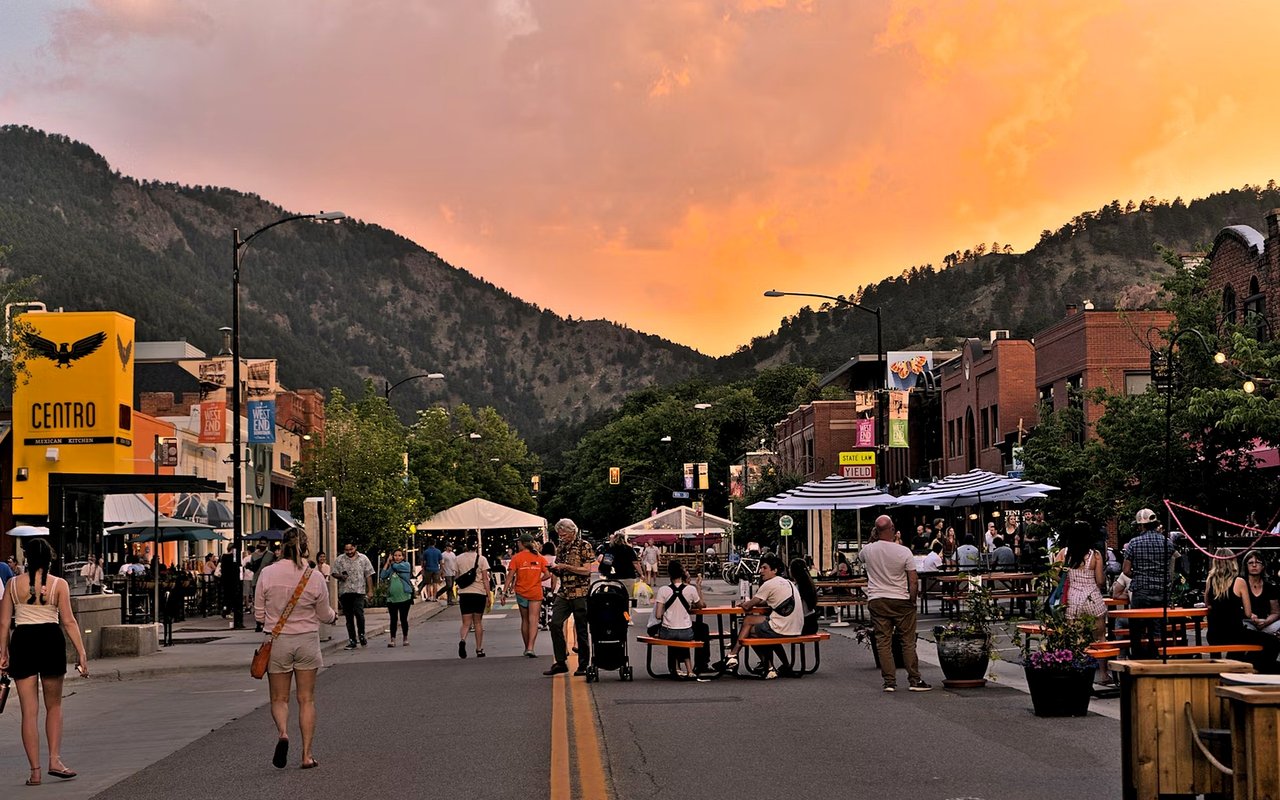
The upside of a festival built entirely on foot-traffic venues is that Old Town Lafayette is small enough to treat the whole day as one walk rather than a series of separate outings. Nissi's, The Arts Hub, Muse Performance Space, Coal Creek Bowling, and Dog House Music Studios all sit within the same few blocks of South Lafayette, the same stretch most residents already cover for coffee, errands, or a beer after work.
A workable approach, based on how the venue and capacity structure actually functions:
- Start at The District's free stages if you want to avoid needing a wristband. This is also the easiest place to bring kids.
- Treat The End Lafayette as a bonus, not a plan. If you're walking past Dog House Music Studios and there's room, go in. Building your whole afternoon around getting into a 70-person room for a specific act is the fastest way to spend your day standing outside.
- Save Nissi's for later in the day if you're 21 or older and want the option of sticking around, since the venue skews toward an older crowd as the evening goes on.
- Keep a second-choice stage in mind for every set you actually want to see. Because the small venues cap out, the festival rewards flexibility more than loyalty to one band's schedule.
None of this requires a car, though the smallest rooms may reach capacity.
Places to Eat Between Sets
Old Town's restaurant density is part of what makes this festival work as a walking event rather than a driving one. If you need a break between sets, Community Supper Club and William Oliver's Publick House both sit inside the same festival footprint, close enough to grab a plate and get back to the next venue without burning a parking spot. Acreage, home to Stem Ciders, works well if you'd rather sit outside for a while between acts. For a faster bite, Teocalli Cocina and The Post Brewing Company Lafayette are both quick enough to fit into a short gap in the schedule.
If you're the type who likes to build a whole evening around Old Town regardless of what's on stage, Odd13 Brewing and Liquid Mechanics Brewing are both a short walk from the festival's core venues and worth keeping in your rotation once the music winds down.
Why This Is Worth Planning Around, Not Just Showing Up To
The festival works because Lafayette is small enough that a walk from Nissi's to The Arts Hub to Coal Creek Bowling takes minutes, not a rideshare. That same density is a big part of why people move to this stretch of Boulder County in the first place: an afternoon that starts at a bowling alley and ends at a 70-person show inside a working recording studio, all inside a few blocks, isn't something you can plan the same way in most Front Range towns.
If you want a broader sense of what makes Old Town tick the rest of the year, from the breweries within walking distance of Public Road to the trails around Waneka Lake, our locals' guide to Lafayette covers the territory in more depth. Ticket and lineup details for October 3 are posted directly on the Lafayette Music Fest website, and the Old Town Lafayette business directory is worth a bookmark if you're new to the neighborhood and still learning which storefront is which.
Jennifer Stuckey sponsors the Parlando School of Musical Arts and keeps a close eye on the small venues and community events that make Lafayette worth living in, festival season or not. If you're curious what a home search looks like in a town built around walkable blocks like these, Let's Connect.