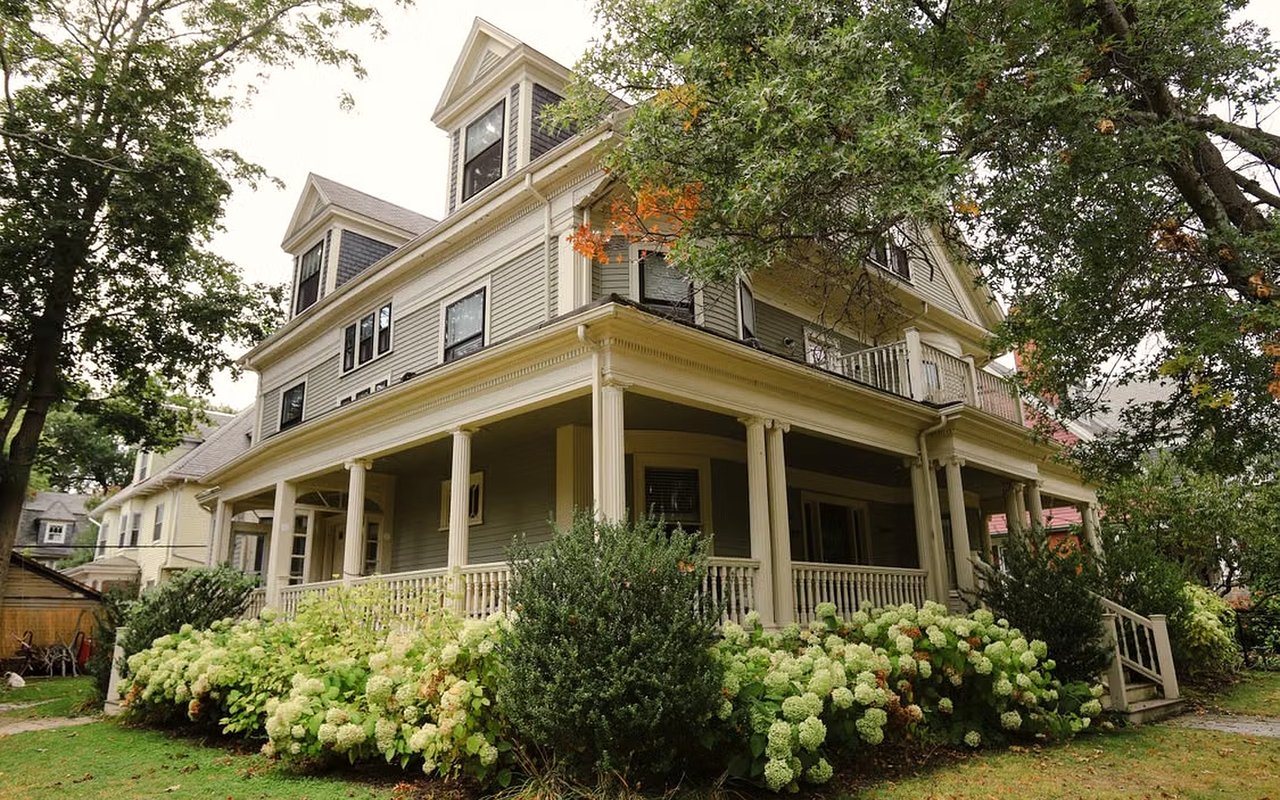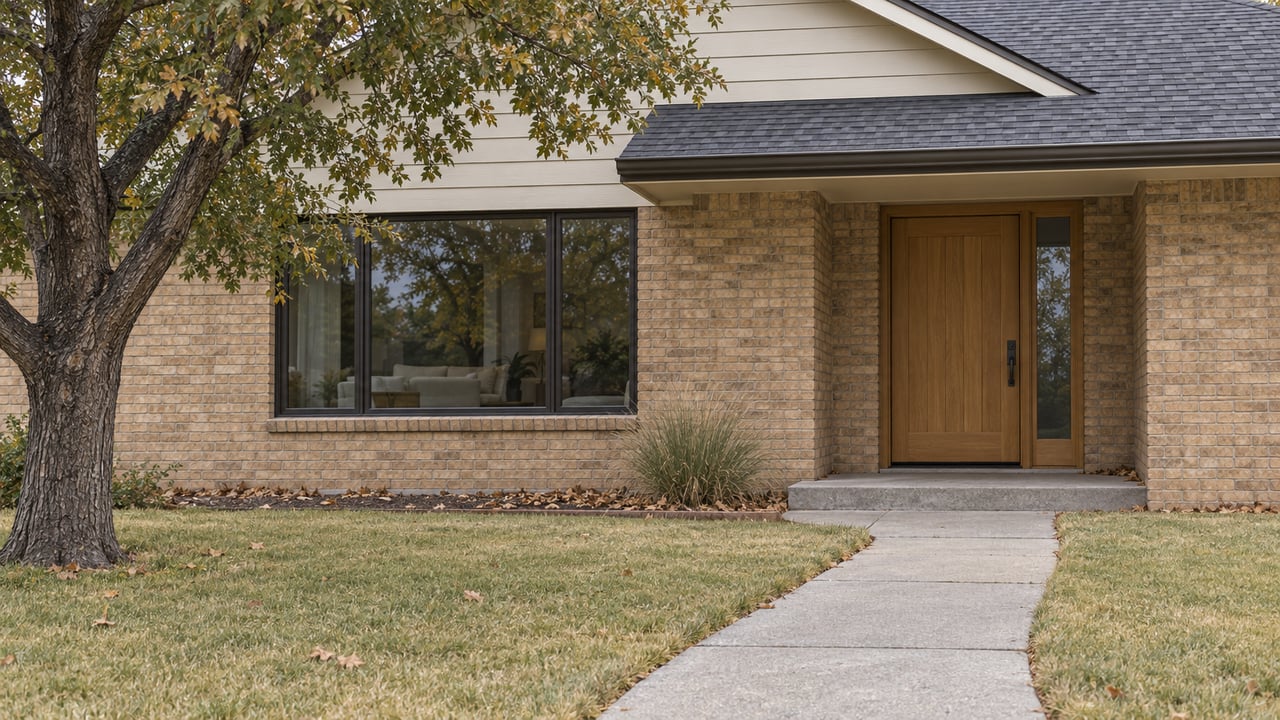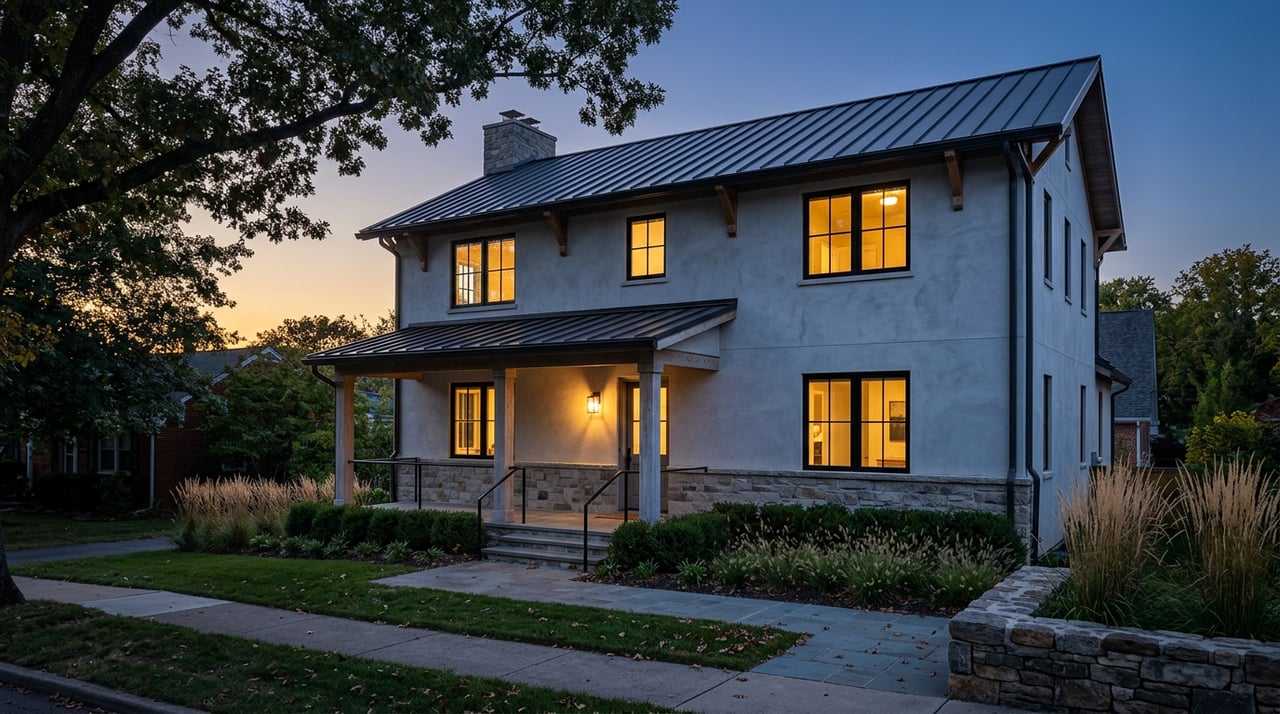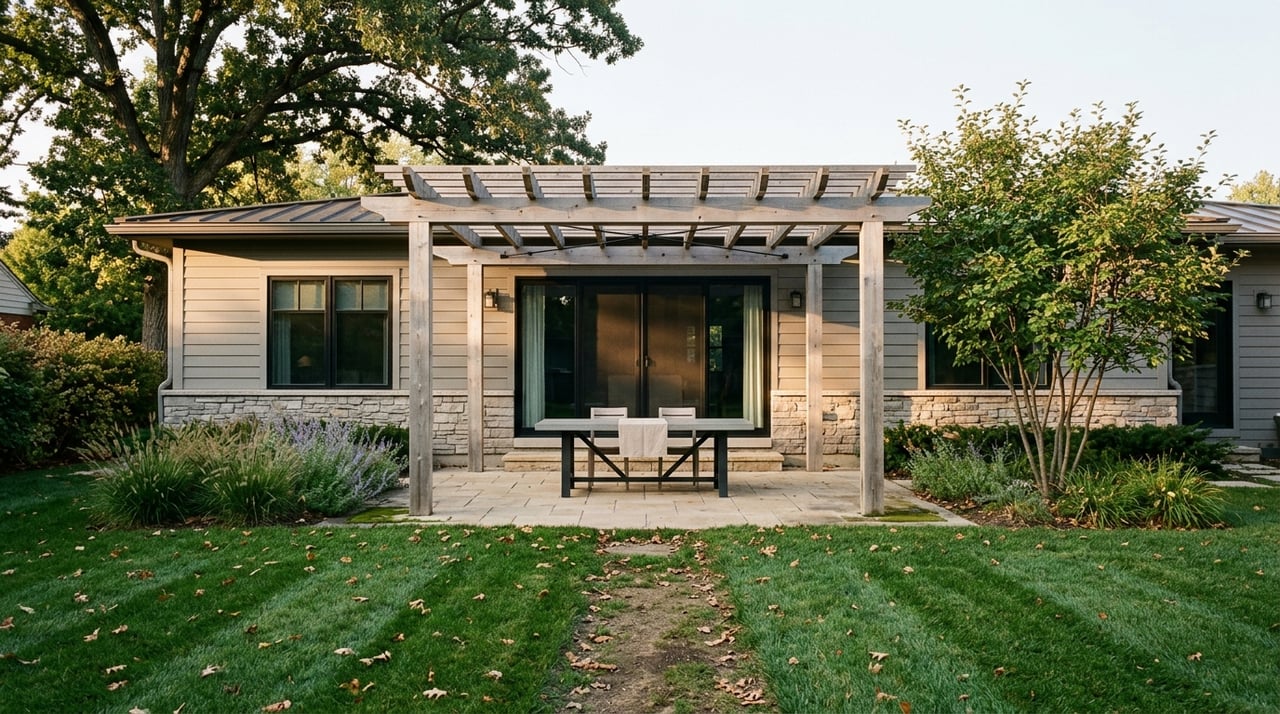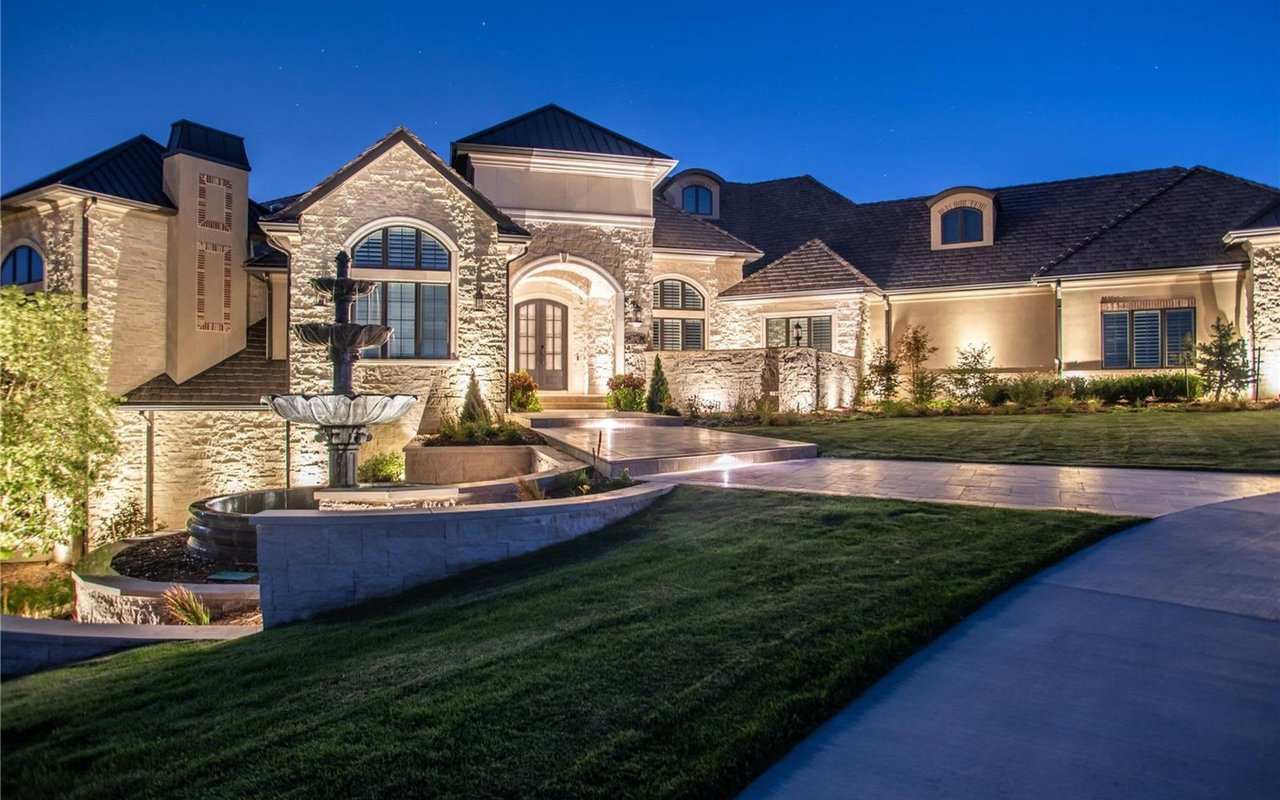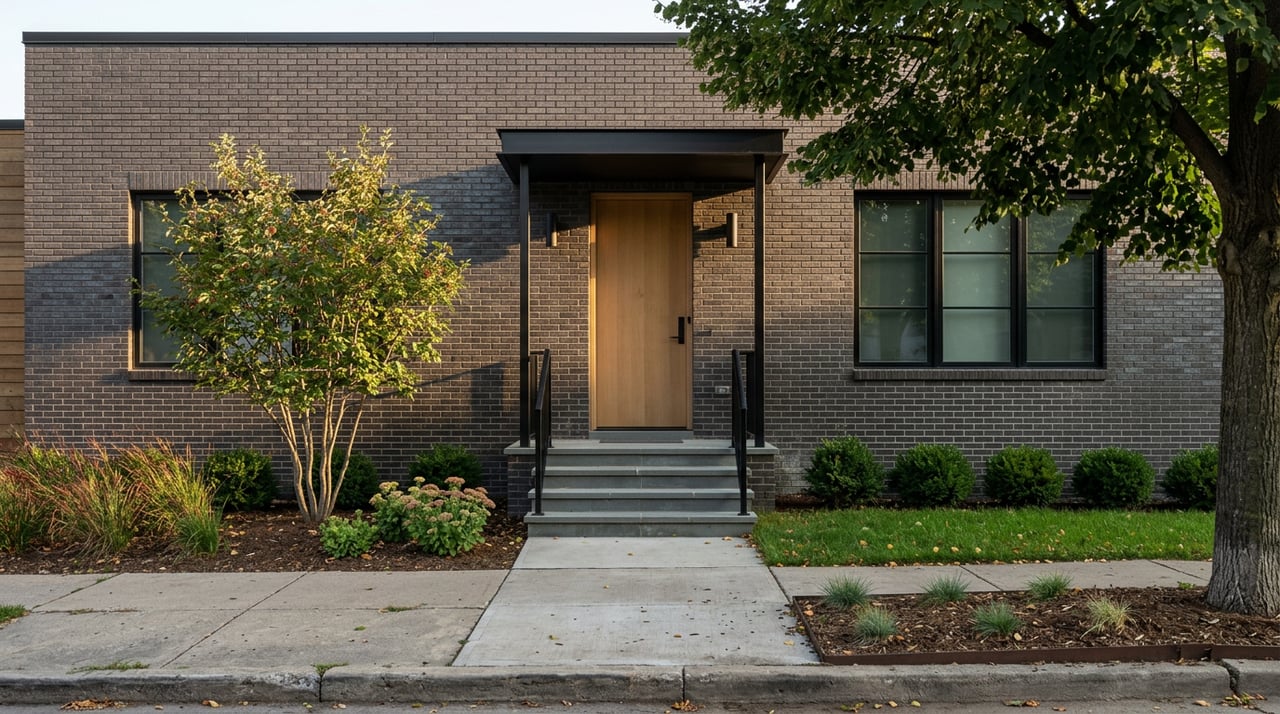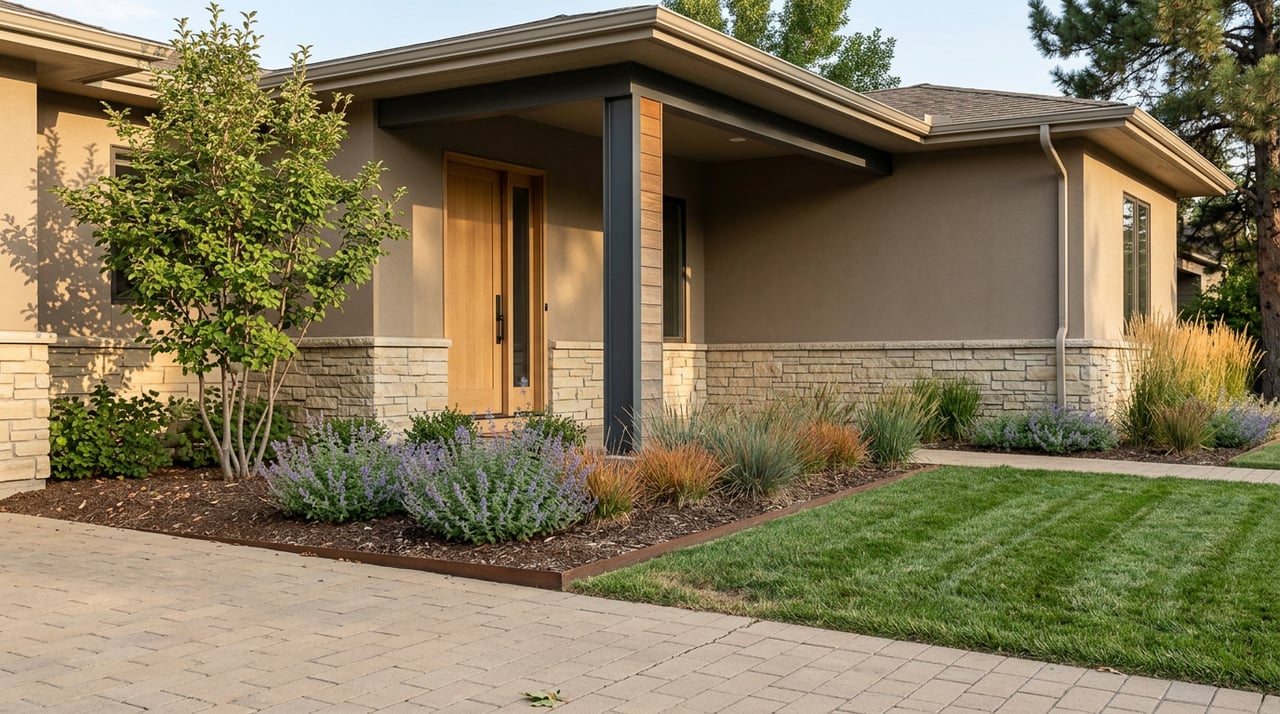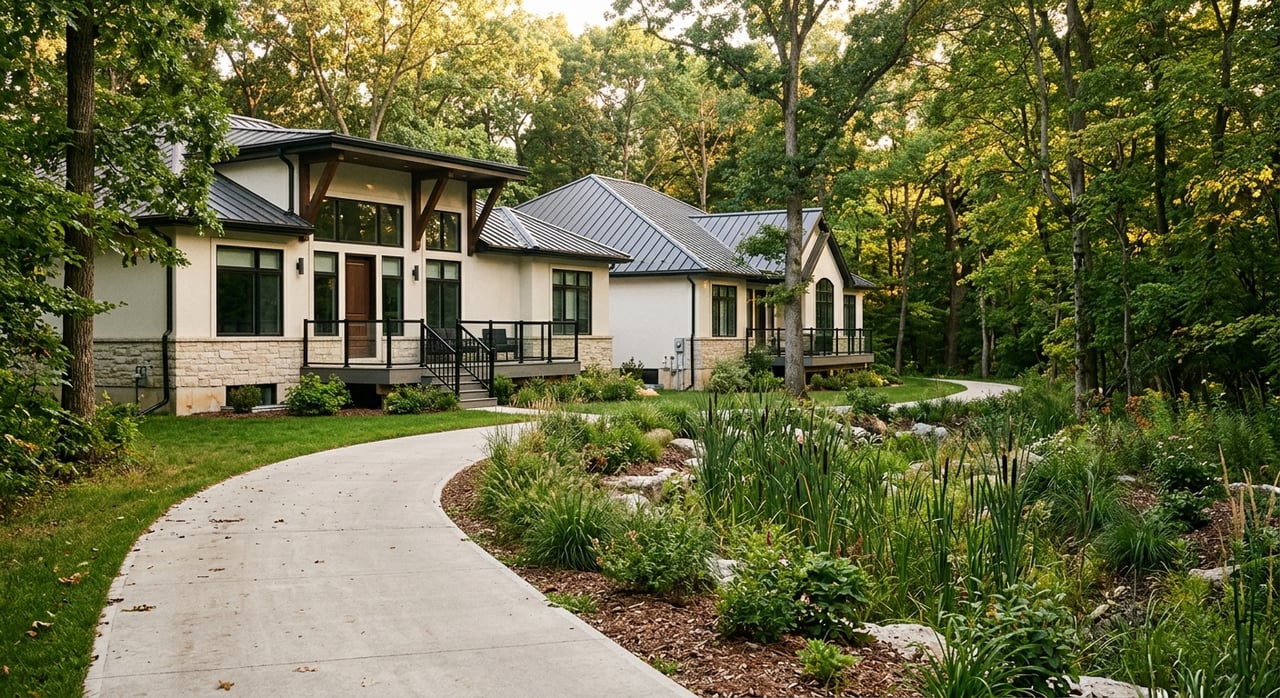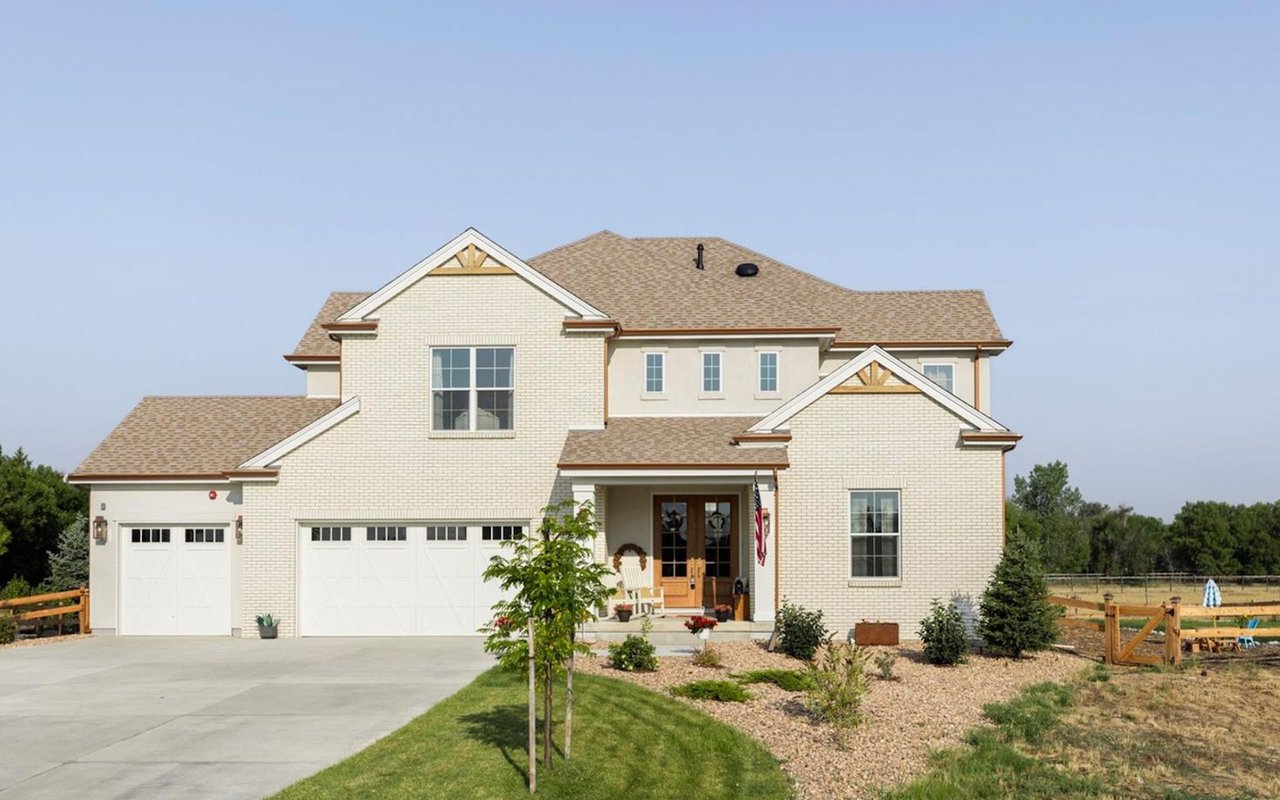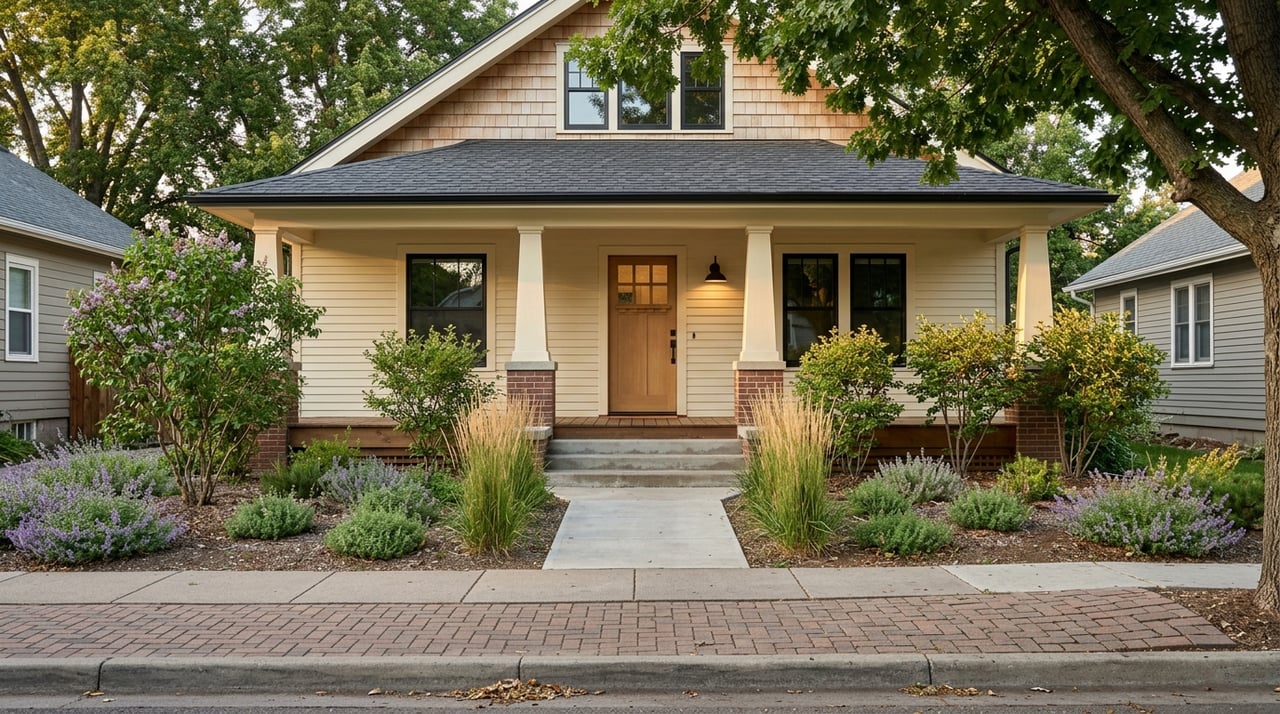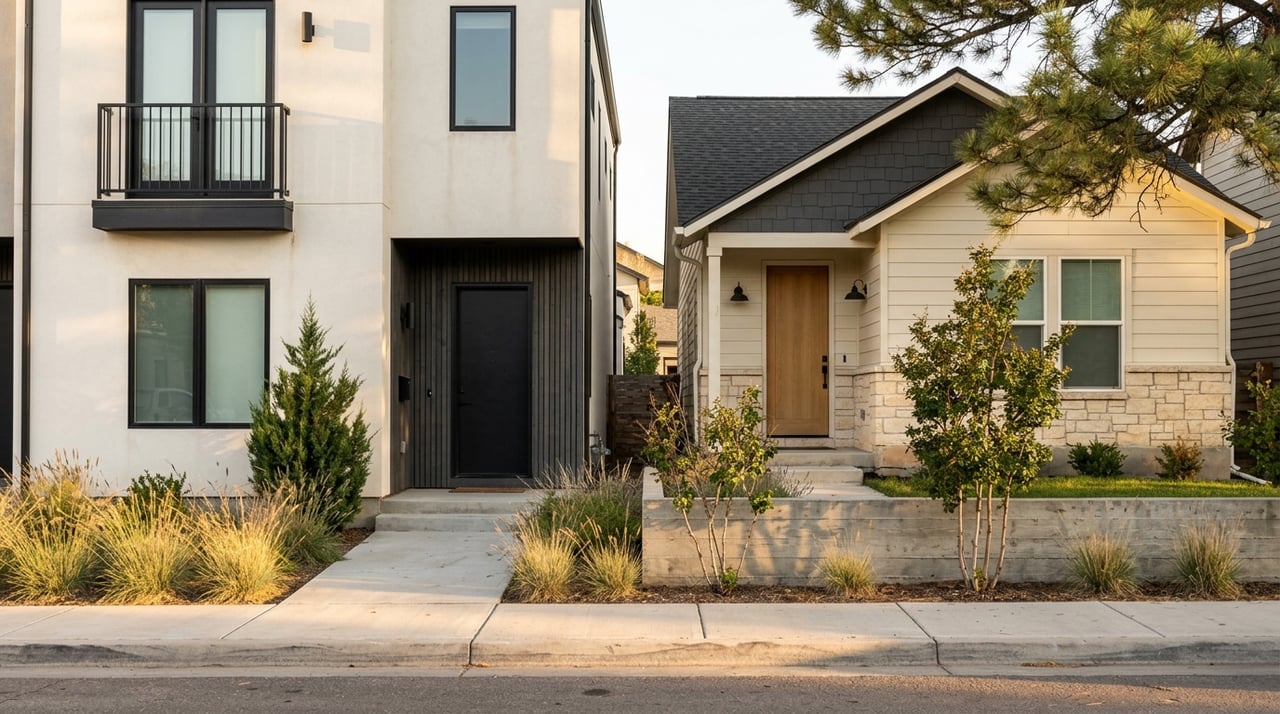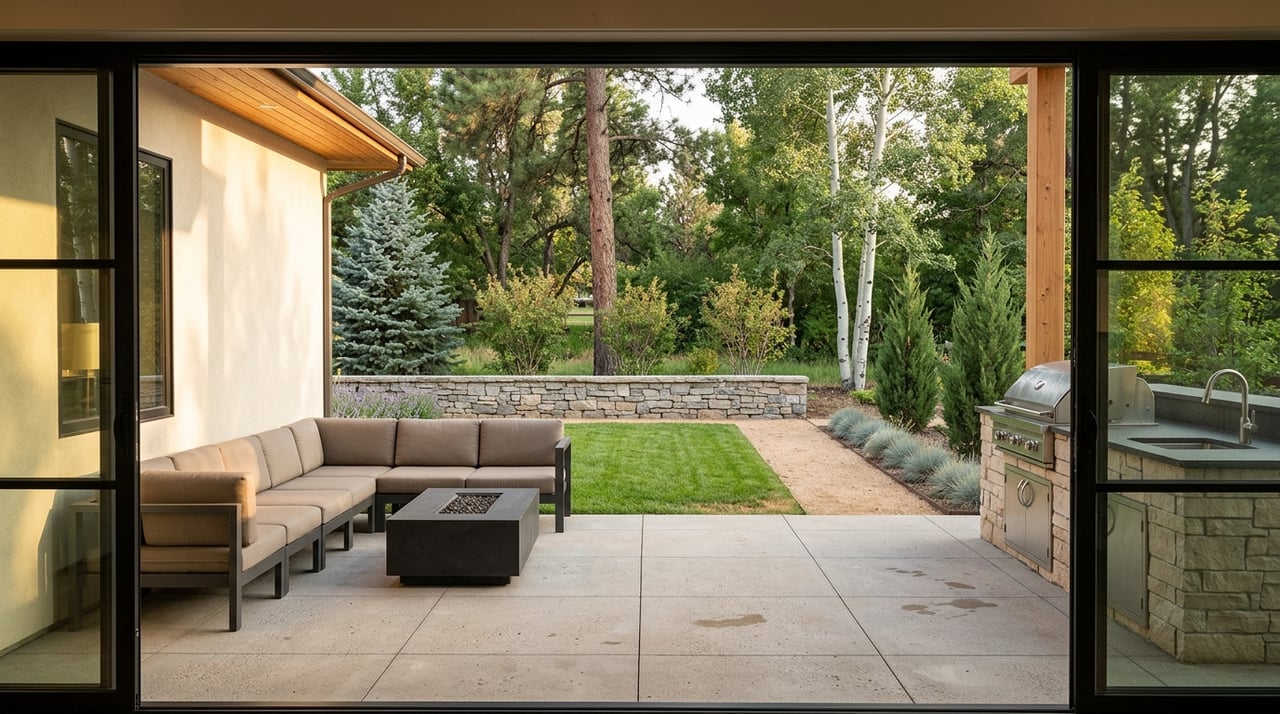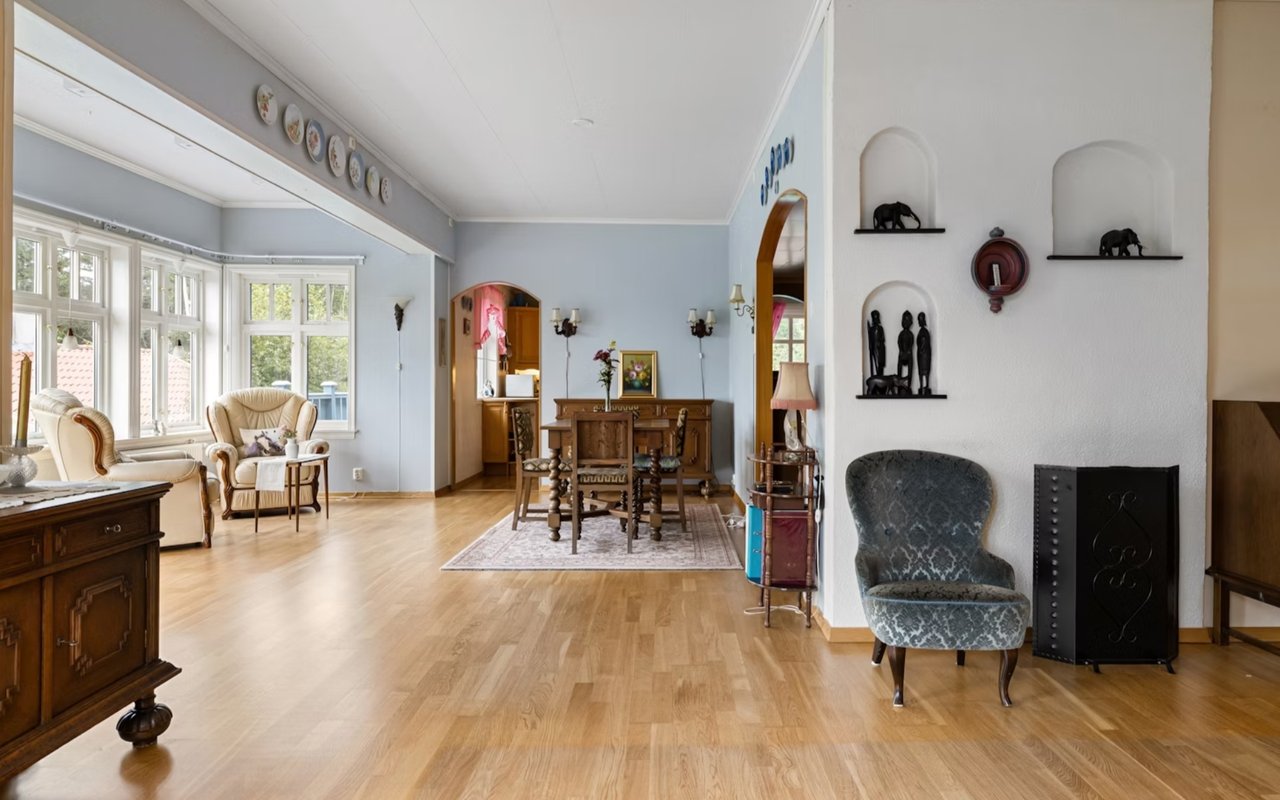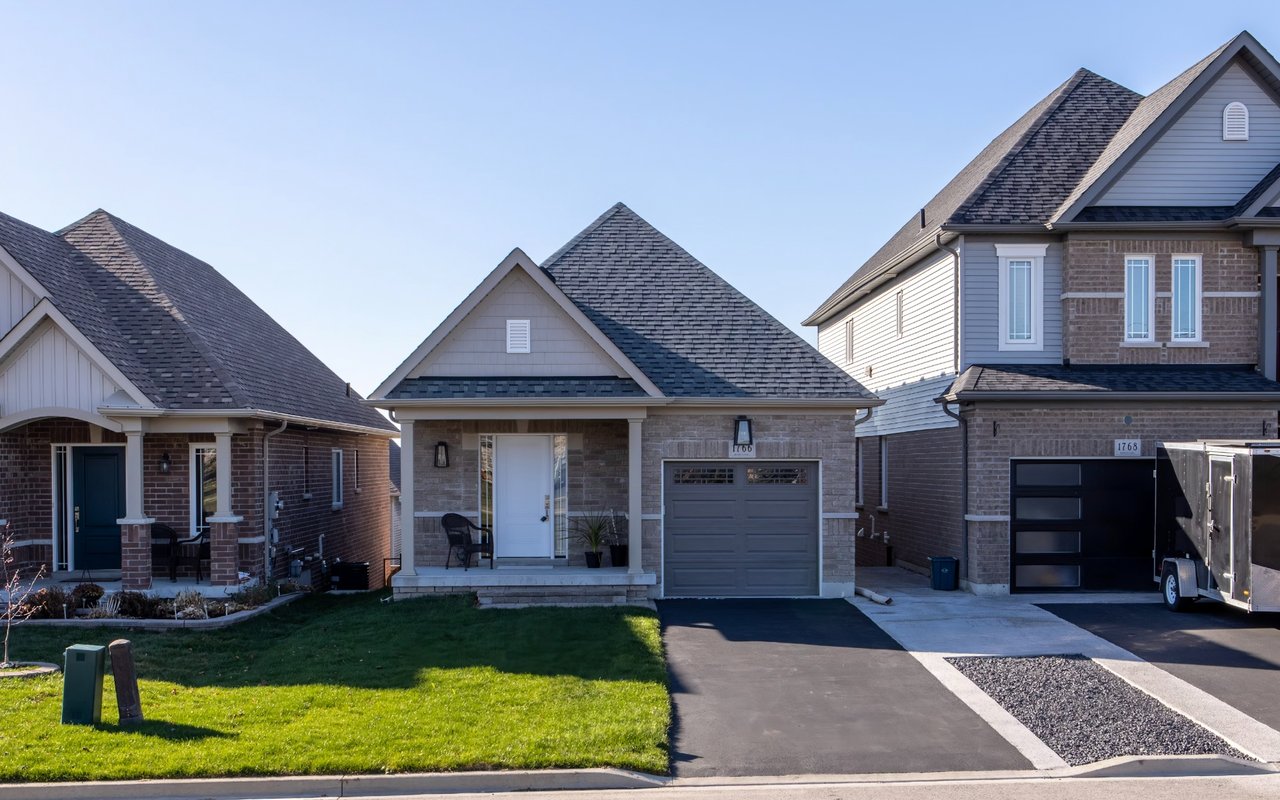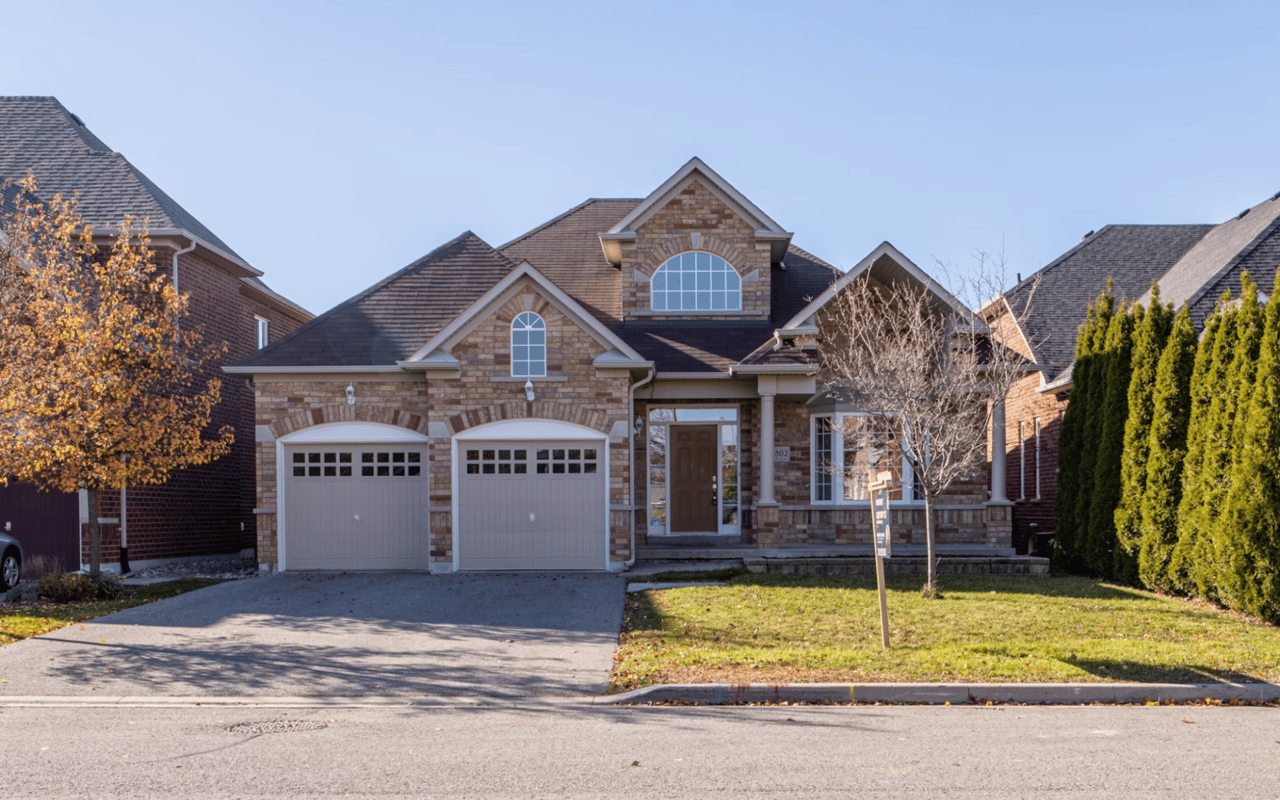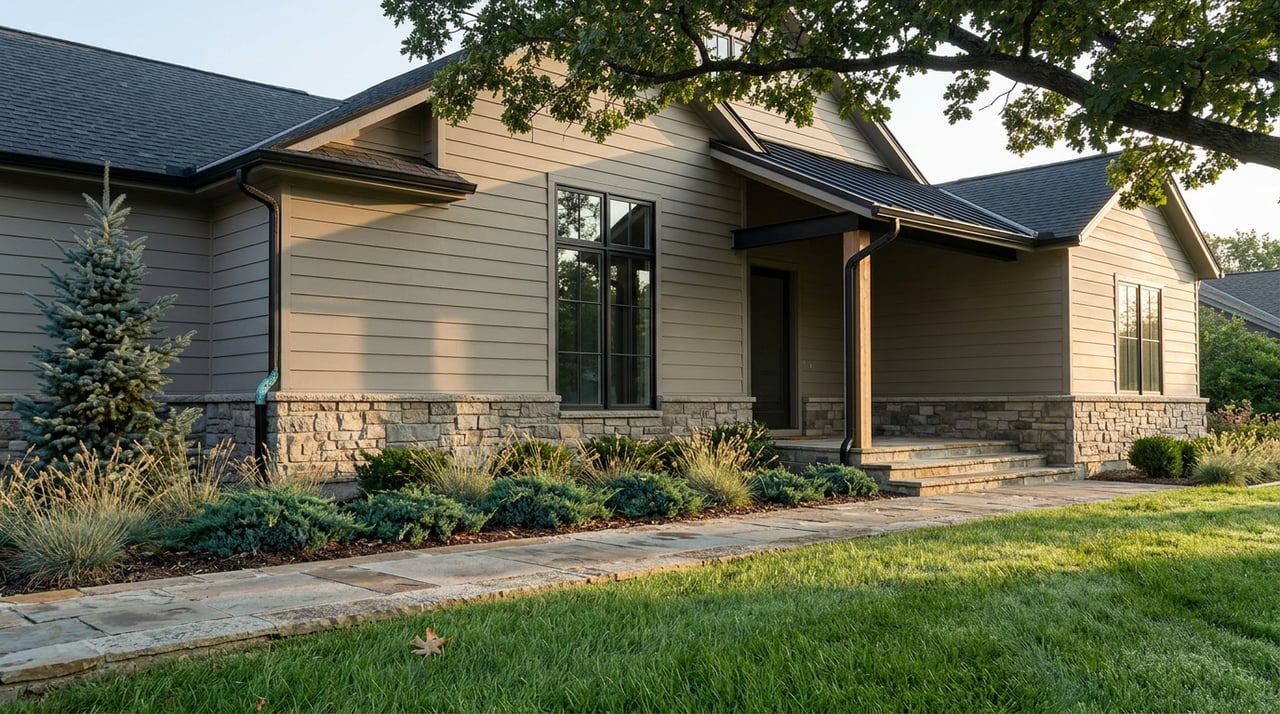
A $650,000 home in Broomfield's Baseline community and a $650,000 home in an older neighborhood like Broomfield Heights can carry annual property tax bills nearly $4,000 apart. Same price. Same county. Different bill, and the difference has nothing to do with square footage, finishes, or lot size. It comes down to a taxing entity most buyers never think to ask about until the first bill arrives.
That entity is a metropolitan district, and in Broomfield it is quietly reshaping what "affordable new construction" actually costs.
Two Homes, Same Price, Different Math
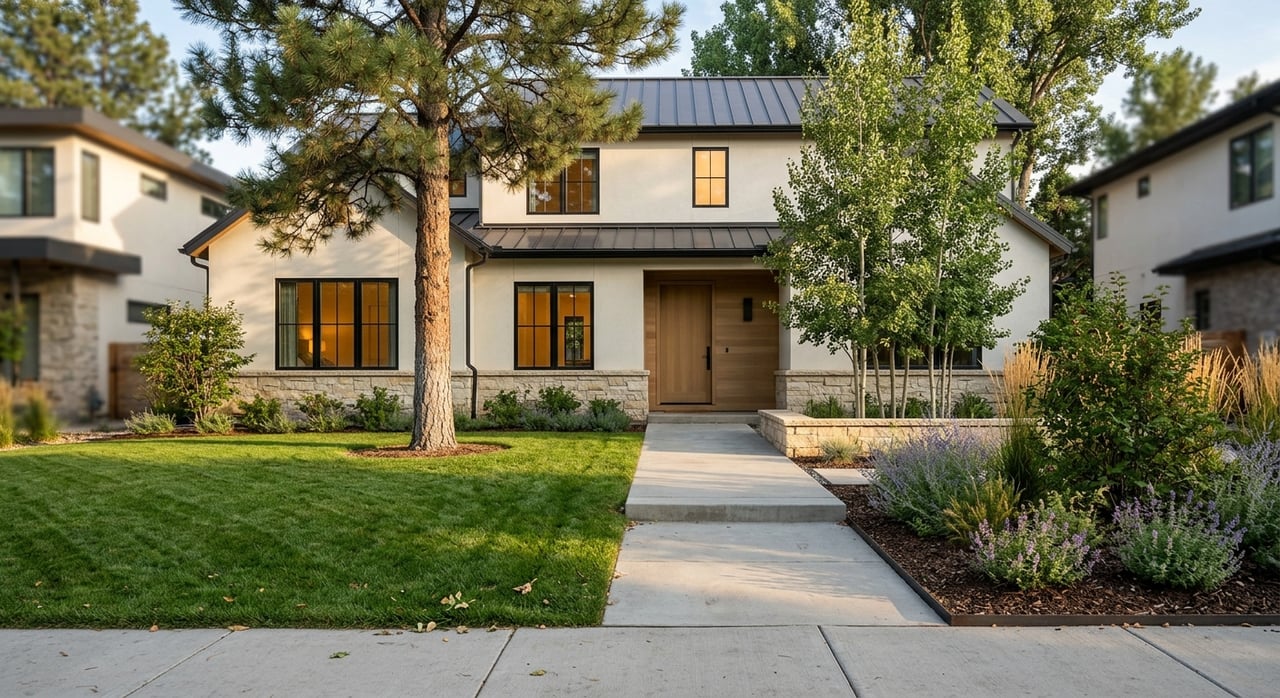
Broomfield's new-build boom is concentrated in a handful of master-planned communities, the largest being Baseline, a roughly 1,000-acre development taking shape in the northeast part of the city along Sheridan Parkway. Homes there are marketed from the $500s, and on paper that competes well against resale prices in established Broomfield neighborhoods. As of September 2026, the median list price across Broomfield sits at $599,000, with homes spending a median of 54 days on the market, according to Movoto's monthly market tracking.
But list price is only one line in the ledger. Every new master-planned community in Broomfield finances its own roads, water lines, parks, and open space through a metropolitan district, a special taxing authority that adds its own mill levy on top of the standard city, county, school, and fire district rates. Older neighborhoods, platted before this financing structure became standard, typically carry none of that extra layer. So the same purchase price can mean two very different monthly carrying costs depending on which side of that line the address falls on.
What a Metro District Actually Charges For
A metropolitan district is a governmental entity, created under Colorado's Title 32, that issues bonds to pay for infrastructure a developer would otherwise have to fund upfront: streets, sewer, drainage, parks, and community amenities. The district repays those bonds over time through property taxes collected as an added mill levy, layered on top of everything else on the tax bill. Baseline's own public FAQ describes it plainly: the districts are governed by elected boards made up of property owners, and the infrastructure is "paid for through homeowner property taxes, collected through a mill levy."
Broomfield's official mill levy report, certified as of December 31, 2025, shows exactly how much that layer adds. Baseline Metropolitan District No. 2 carries a debt-service mill levy of 48.331 mills. Compare that to Anthem West Metropolitan District, an earlier and now more mature master-planned community on the other side of Broomfield, where the combined general and bond levy comes to just under 20 mills. Both communities layer a metro district charge on top of the base city and county rates. The size of that layer is where the real gap opens up.
| Community | Metro district mill levy (approx.) | Status |
|---|---|---|
| Anthem West | ~20 mills | Established, infrastructure largely paid down |
| Baseline (MD #2, #3) | 46 to 56 mills | Active build-out, new infrastructure debt |
| Older Broomfield neighborhoods (no district) | 0 mills | Predate metro district financing |
A local guide to Broomfield property taxes puts the dollar impact in plain terms: on a $650,000 home, the difference between an older neighborhood with no metro district and a Baseline address can run from roughly $4,700 a year to more than $8,500 a year, a gap north of $300 a month that never shows up when you're comparing two listings side by side on price alone.
Why Baseline's Bill Is Higher Right Now
The size of Baseline's mill levy isn't arbitrary. It reflects a community still very much under construction. Broomfield's own project page for the development's Center Street district, an approximately 63-acre town center planned for the corner of Sheridan Parkway and Colorado Highway 7, notes that construction on that phase is estimated to begin later in 2026, with future residential phases entering planning in late 2026 or early 2027. Reporting from BizWest in March 2026 found planning documents pointing to a Whole Foods as the anchor tenant for that retail district, though the grocer itself hasn't been named in public statements. Baseline is also home to a planned 1,800-student K-12 STEM school developed with input from more than 500 companies, and a central green space called the Parklands, with its centerpiece, Rally Park, scheduled to open in 2027.
All of that costs money to build, and the metro district's bonds are how that money gets raised before the amenities exist. Anthem went through the same phase years ago. Its infrastructure bonds are further along in repayment, which is a large part of why its mill levy sits so much lower today. Baseline is simply earlier in that same curve. The mill levy isn't a penalty for buying there. It's a reflection of timing.
The Levy Doesn't Reliably Disappear
Here's the part that catches long-term owners off guard: paying down a metro district's original construction bonds doesn't automatically mean the mill levy goes away. Districts can, and often do, shift from a debt-service levy to an ongoing operations and maintenance levy once the bonds are retired, continuing to fund parks, landscaping, and amenities indefinitely. A Denver-area custom builder who works through metro district paperwork regularly puts it directly: these taxes "are not optional and they do not go away when bonds are paid off in many cases, because districts can shift to operations and maintenance levies." For a buyer running twenty or thirty year math on a Baseline purchase, that's a meaningfully different assumption than treating the levy as a temporary line item that phases out.
Where the Older Neighborhoods Sit
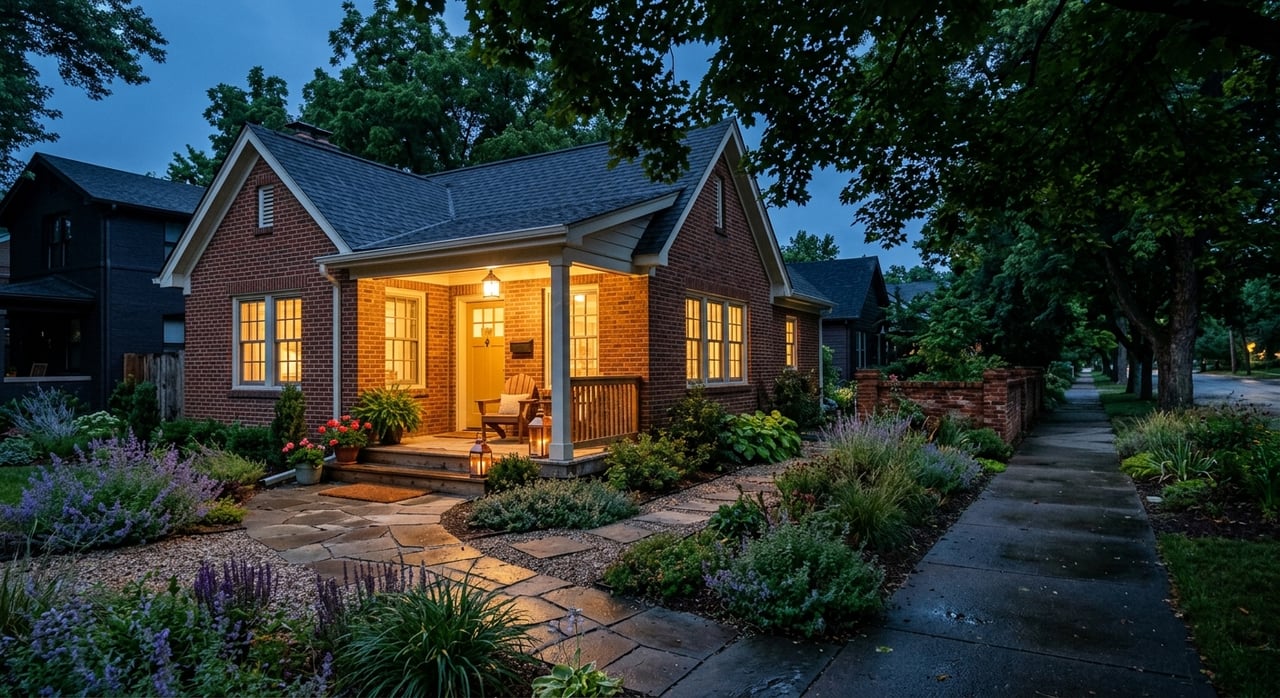
None of this makes established Broomfield neighborhoods automatically the better financial choice. It just means the comparison has to include a number that doesn't appear in the MLS printout. Neighborhoods like Broomfield Heights, built before metro districts became the standard way to finance new subdivisions, carry only the base city, county, school, and fire mill levies. A recent listing in Broomfield Heights, an all-brick ranch on a quarter-acre corner lot, came with a seller offering a $25,000 concession to the buyer, a reminder that resale sellers in older, established pockets are negotiating in their own way, on their own terms, without a metro district layer complicating the math.
Buyers weighing Baseline or Dillon Pointe against a resale option in Broomfield Heights, Anthem Highlands, or the Lambertson Farms and McKay Shore Preserve area aren't just comparing finishes and floor plans. They're comparing two different tax structures that happen to sit inside the same city limits.
Questions Worth Asking Before You Write an Offer
- What is the current mill levy for this specific tax area, and is it trending up, flat, or down? Broomfield's assessor publishes an updated mill levy report every January.
- Is the district's debt levy or its operations levy driving the current rate, and what happens to the bill once the bonds are retired?
- Are there tap fees, special assessments, or one-time connection charges tied to this address beyond the annual mill levy?
- How does the total estimated tax bill, not just the sale price, compare across the specific addresses under consideration?
These aren't questions a listing photo or a square footage chart can answer. They require pulling the actual mill levy certification for the property's tax area and running the math against the sale price being discussed, which is exactly the kind of due diligence that belongs in an offer strategy rather than an afterthought at closing.
FAQ
Does a metro district show up automatically in my monthly mortgage payment? Yes, in most cases. Property taxes, including any metro district mill levy, are typically escrowed by the lender and folded into the monthly payment, so the added cost shows up as higher monthly carrying costs rather than a separate bill.
Are metro districts unique to Baseline or Anthem? No. They're a standard financing tool for new master-planned communities across Colorado, not something specific to any one Broomfield development. Any new subdivision built in the last two decades is worth checking for one.
Will Baseline's mill levy eventually drop to Anthem's level? It's reasonable to expect it will decrease as the community matures and assessed values grow, but Broomfield's own property tax guide notes that timeline often runs 20 to 30 years, not a handful of years.
Buying in Broomfield right now means choosing between two genuinely different communities with two different cost structures, and the right answer depends on how long you plan to stay and how you weigh amenities against carrying cost. If you want the actual mill levy numbers pulled for a specific address before you make an offer, Jennifer Stuckey can walk through the real math with you. Let's Connect.