If you've been watching Boulder's median sale price slide for the better part of a year and started doing math in your head, you've probably asked the wrong question. The question isn't whether Boulder got cheaper. It's whether anything that actually controls Boulder's housing supply changed at all. It didn't, mostly. But two very specific rule changes made in 2025 did, and they're pulling in opposite directions depending on which side of a jurisdictional line your target house happens to sit on.
The number that doesn't match the story
Depending on which dataset you pull, Boulder's median sale price over the three months ending May 2026 was $854,000, down 14.5 percent from the same window a year earlier. A different measure put the citywide median at $915,000 in May 2026, down nearly 17 percent year over year. Central Boulder specifically sold at a $1.3 million median over the same three-month window, down about 10 percent. The numbers disagree with each other by tens of thousands of dollars because they're built from different pools of transactions, but they agree on direction: prices came down, and homes are sitting longer, averaging around 50 days on market in Boulder proper versus 44 days a year earlier.
Locally, agents have started describing 2026 as the year the market thawed rather than unfroze. Concessions from sellers hit a record for the month of May, with roughly 46 percent of Boulder-area sellers offering some form of buyer concession, according to Redfin data cited in local market reporting. That's a real shift from the frenzy years. It is not, on its own, evidence that Boulder got structurally more affordable. For context, Colorado's statewide median sale price was $557,992 in July 2026. Boulder is still running well above that, and the gap has nothing to do with this year's cooling.
Why the falling number isn't the whole story
Boulder's price floor was never set by market sentiment. It was set by policy, decades ago, and none of that policy moved this year.
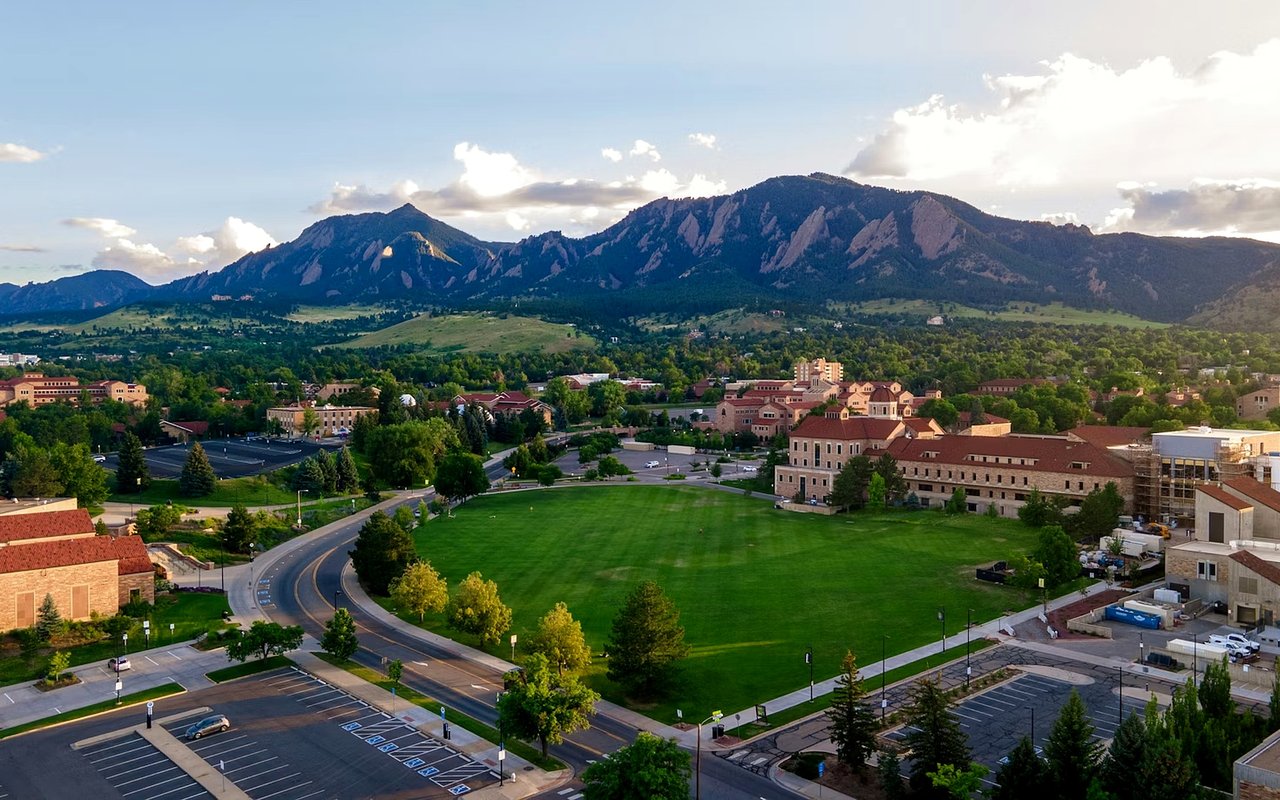
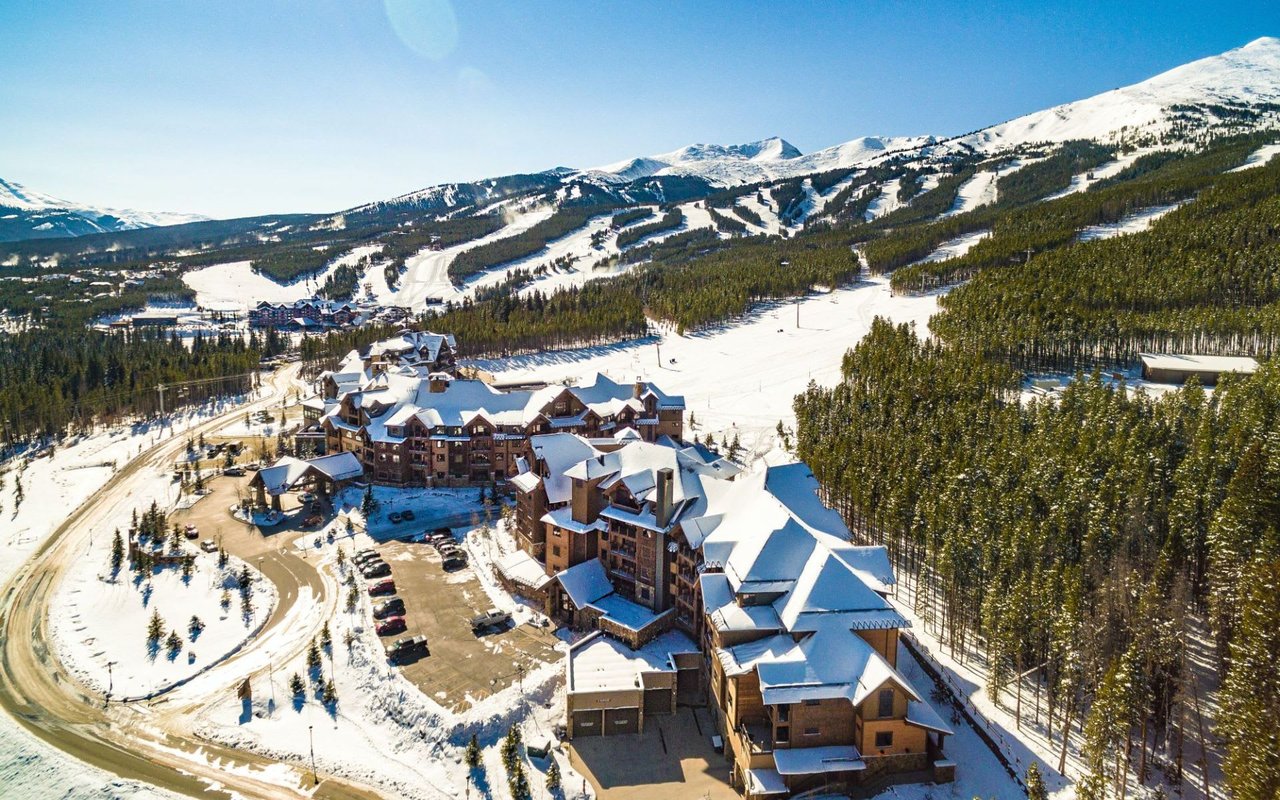
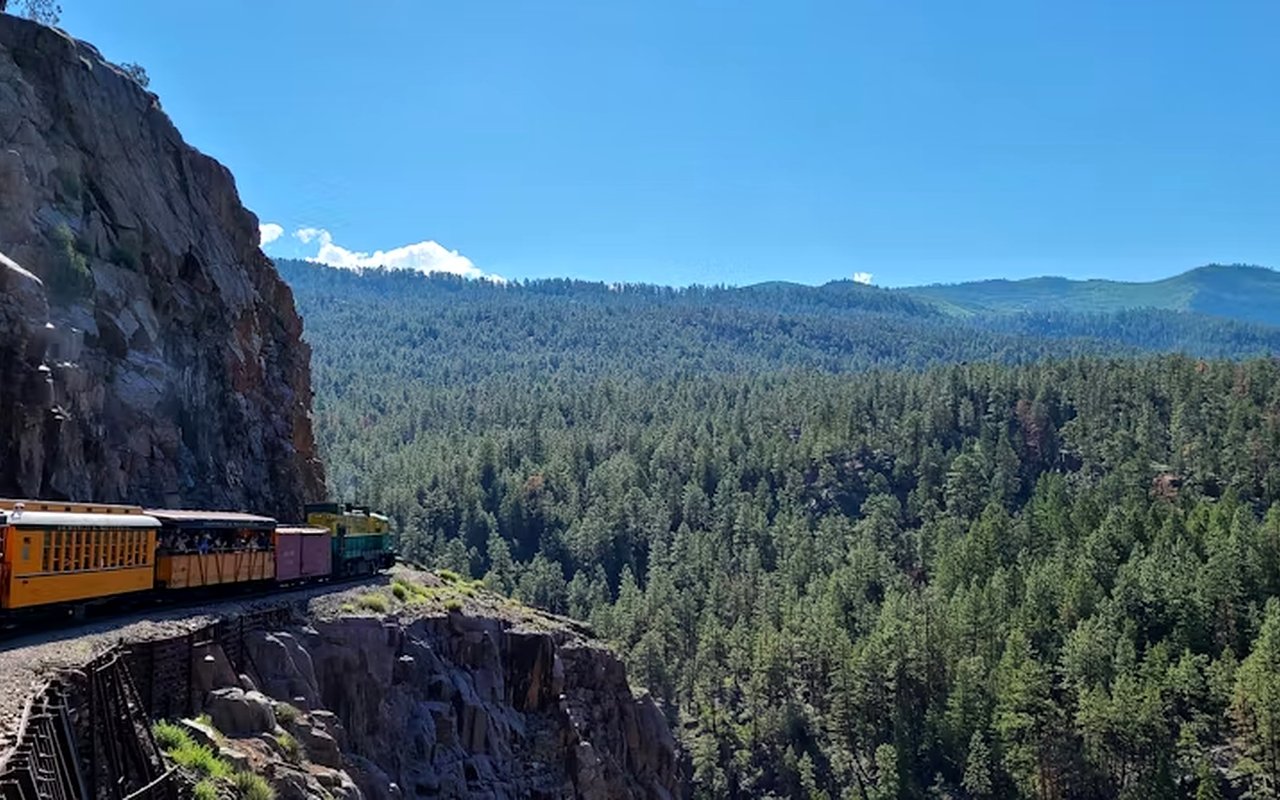
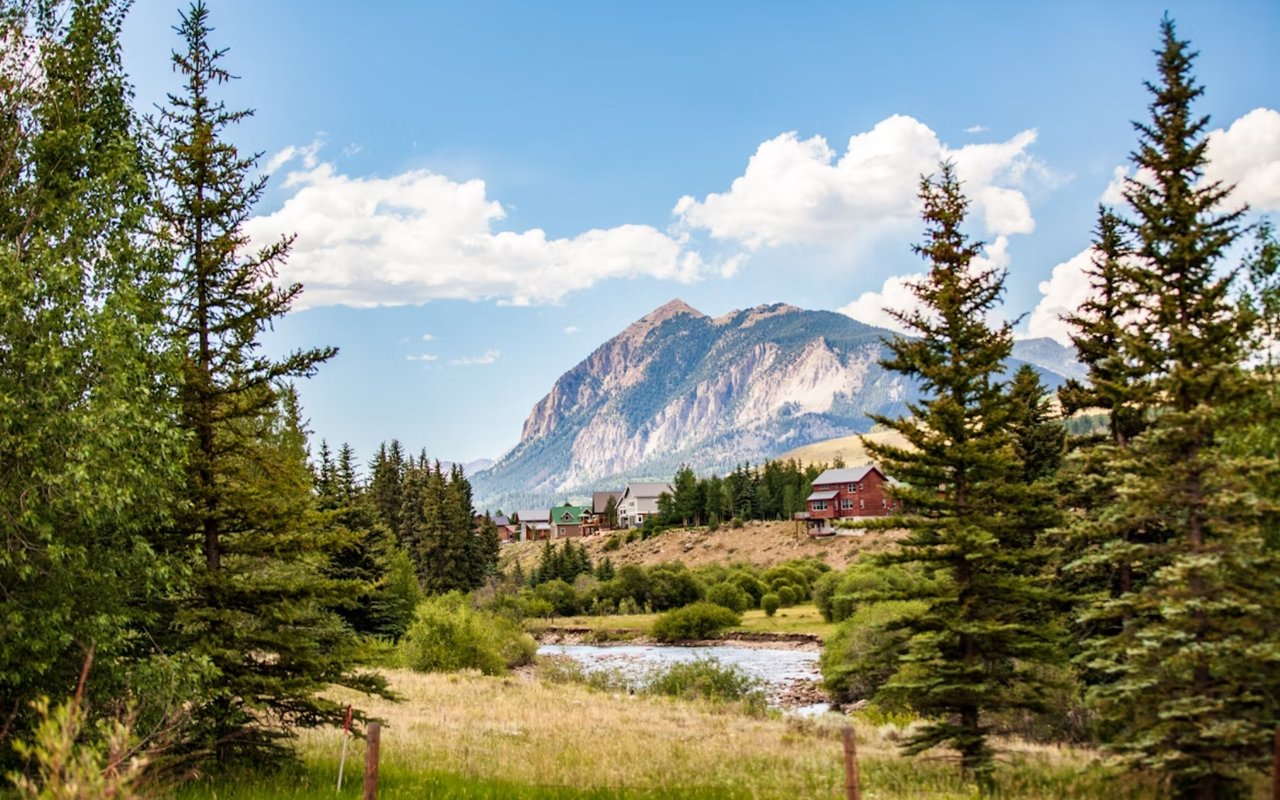
The city's water and sewer service stops at roughly 5,750 feet in elevation, a line residents have called the Blue Line since 1959. Above it, you can still own land, but you're building your own well and septic system, which is its own kind of constraint. Around the city, Boulder has spent since 1967 buying open space, more than 46,000 acres of it, specifically to keep that land from ever becoming subdivisions. And within the city itself, the CU Independent reports that a charter-level height limit has capped buildings at 55 feet since the early 1970s, which is one reason the Flatirons are visible from most of downtown and one reason Boulder can't simply build up when it can't build out.
Put those three together and you get a housing market that behaves less like a normal supply-and-demand curve and more like a fixed container. When demand softens, prices can drop inside that container. What doesn't happen is the container getting bigger. A 15 percent price pullback in 2026 is a market recalibrating within the same boundary that's been in place since before most current buyers were born. It is not the boundary opening up.
Two rule changes, pulling in opposite directions
Here's the part that doesn't show up on a portal listing page, and it's the reason a move-up buyer comparing two Boulder-area addresses this year needs to know which government actually has jurisdiction over each one.
In 2024, Colorado passed HB 24-1152, a statewide law that forced cities to allow accessory dwelling units by right, with administrative approval and no public hearings. Boulder already had an ADU program, but the state law pushed it further. As of March 8, 2025, the City of Boulder dropped its owner-occupancy requirement, meaning you no longer have to live in either the main house or the ADU to build one and rent it out. According to ADU Zoning, parking requirements were eliminated the same month. In practice, that means:
- A detached ADU can run up to 800 square feet at market rate, or up to 1,000 square feet if it's income-restricted
- Permit review typically takes 40 to 60 days
- One-bedroom ADUs in Boulder are renting in the neighborhood of $1,600 to $2,100 a month, two-bedrooms closer to $2,000 to $2,800
- Properties on individual landmark status or contributing to a historic district can build larger units than the standard cap allows
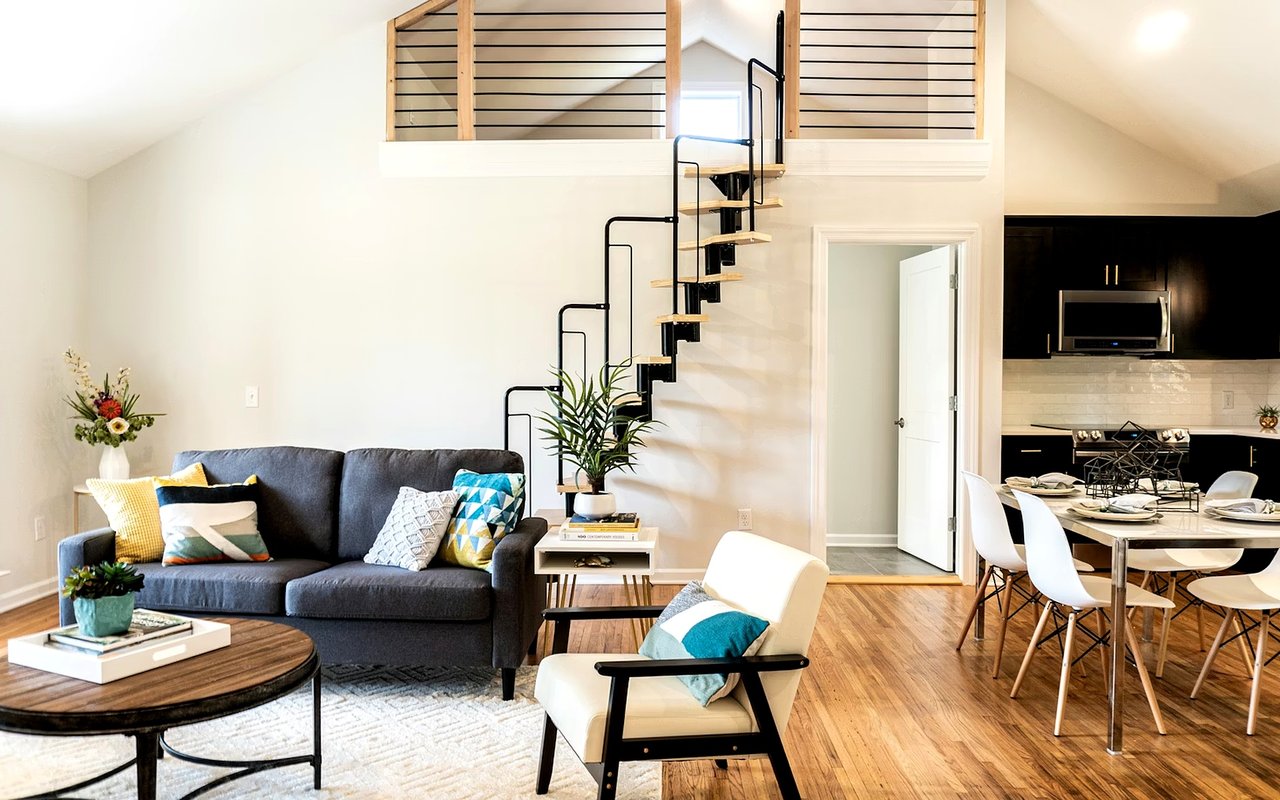
That's a genuine crack in the ceiling. For a buyer purchasing inside Boulder city limits, it's a legal, administratively simple way to add income-producing square footage to a lot that will never get bigger.
Now the opposite. On May 13, 2025, Boulder County adopted new residential size limits for unincorporated parts of the county, the result of a process that started when commissioners enacted a temporary moratorium back in September 2024. The new rule caps additions and rebuilds at 125 percent of a neighborhood's median residential floor area, a direct response to concern about house sizes growing faster than the surrounding streets. If your future home sits in unincorporated Boulder County rather than inside city limits, and you're planning to "buy modest now, expand later," that expansion now has a ceiling tied to what your neighbors already have, not to what you can afford to build.
In 2025, city ADU rules opened one supply valve inside city limits, while county size limits capped additions in the unincorporated pockets around it. Same overall Boulder market. Opposite regulatory direction, depending entirely on which government stamped the plat.
What this actually means street by street
| Neighborhood | Typical 2026 price range | Jurisdiction | What "room to grow" means here |
|---|---|---|---|
| Martin Acres | $650K–$1.2M | City of Boulder | ADU path is open: administrative permit, no owner-occupancy requirement since March 2025 |
| Table Mesa | $800K–$2M | City of Boulder | Same city ADU rules apply; established postwar lots near Mesa Trail |
| Gunbarrel | Roughly $795,000 as of mid-2026 | Mostly unincorporated Boulder County | Larger lots, but any major addition may now fall under the county's 125 percent floor-area cap |
| Mapleton Hill | $1.5M–$5M+ | City of Boulder, historic district | Larger ADU allowances for landmark or contributing structures |
| Pine Brook Hills | $1.5M–$5M+ | Foothills, near or above the Blue Line | Well and septic questions come first; confirm with the county whether the floor-area cap applies before planning any addition |
The price range tells you what you'll pay at closing. The jurisdiction column tells you what happens after closing, and that's what most buyers never think to ask about until they're already three months into ownership and calling a contractor.
A falling median price tells you what the market did last quarter. It doesn't tell you what your specific parcel is legally allowed to become next year.
What to actually do with this before you write an offer
If you're comparing a Martin Acres starter home to a Gunbarrel property with more land, the price difference is only half the comparison. The other half is whether the county's new floor-area cap applies to that Gunbarrel parcel, and if it does, what the neighborhood's current median residential floor area actually is, since that number sets your ceiling. That's not a number Zillow or Redfin surfaces. It's a records question, and it's exactly the kind of detail worth confirming with the county before you get emotionally attached to a house and a renovation plan that turns out to be capped.
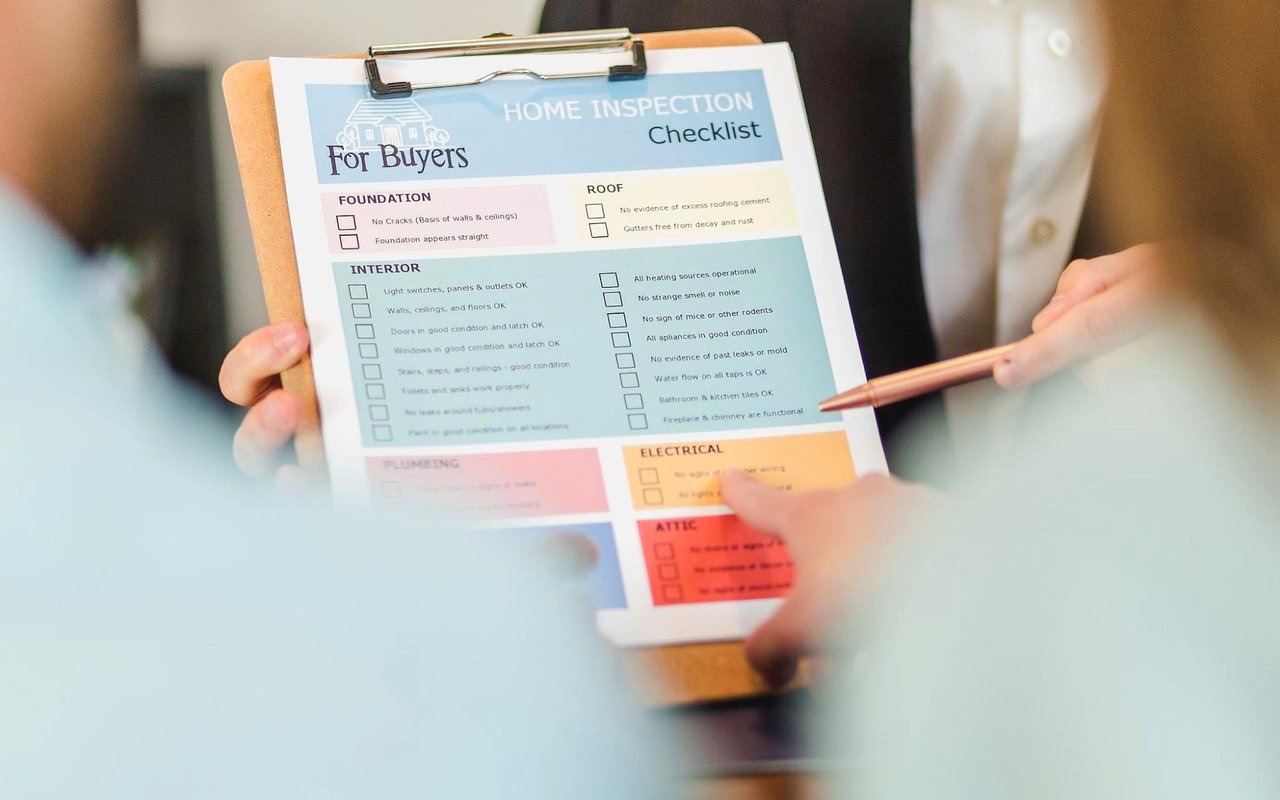
This is also where a falling median price cuts both ways. Softer prices and more seller concessions mean genuine room to negotiate terms, inspection contingencies, and closing timelines this year. They don't mean the structural scarcity that's kept Boulder expensive for fifty years suddenly reversed. Buyers who confuse the two tend to overpay for optimism. Buyers who understand the difference tend to negotiate from a stronger position, because they know exactly what they're buying and what it can become.
A few questions worth asking before you tour
Does the March 2025 ADU rule change apply to every property in Boulder? The City of Boulder says it applies within city limits, in nearly every residential zoning district, though a small number of districts like RH-6 and MH are excluded. Always confirm zoning for the specific address before assuming.
If I'm looking at a home in Gunbarrel, how do I find out if it's inside the city or unincorporated county? The county assessor's parcel records will show jurisdiction directly. Many Gunbarrel addresses carry a Boulder zip code while sitting in unincorporated county, which is exactly the kind of detail that changes what you can build later.
Does a lower median price this year mean I should expect a lower price next year too? Not necessarily. The price movement in 2026 reflects a market normalizing after several fast years, not a change to the underlying scarcity that has kept Boulder priced above the rest of the state for decades.
If you're weighing a move-up purchase across Boulder's neighborhoods and want to know exactly which side of these rules your target address falls on before you write an offer, Jennifer Stuckey can walk through the parcel-specific details with you. Let's Connect.
This article is general information, not legal, tax or financial advice. Consult a qualified professional about your situation.